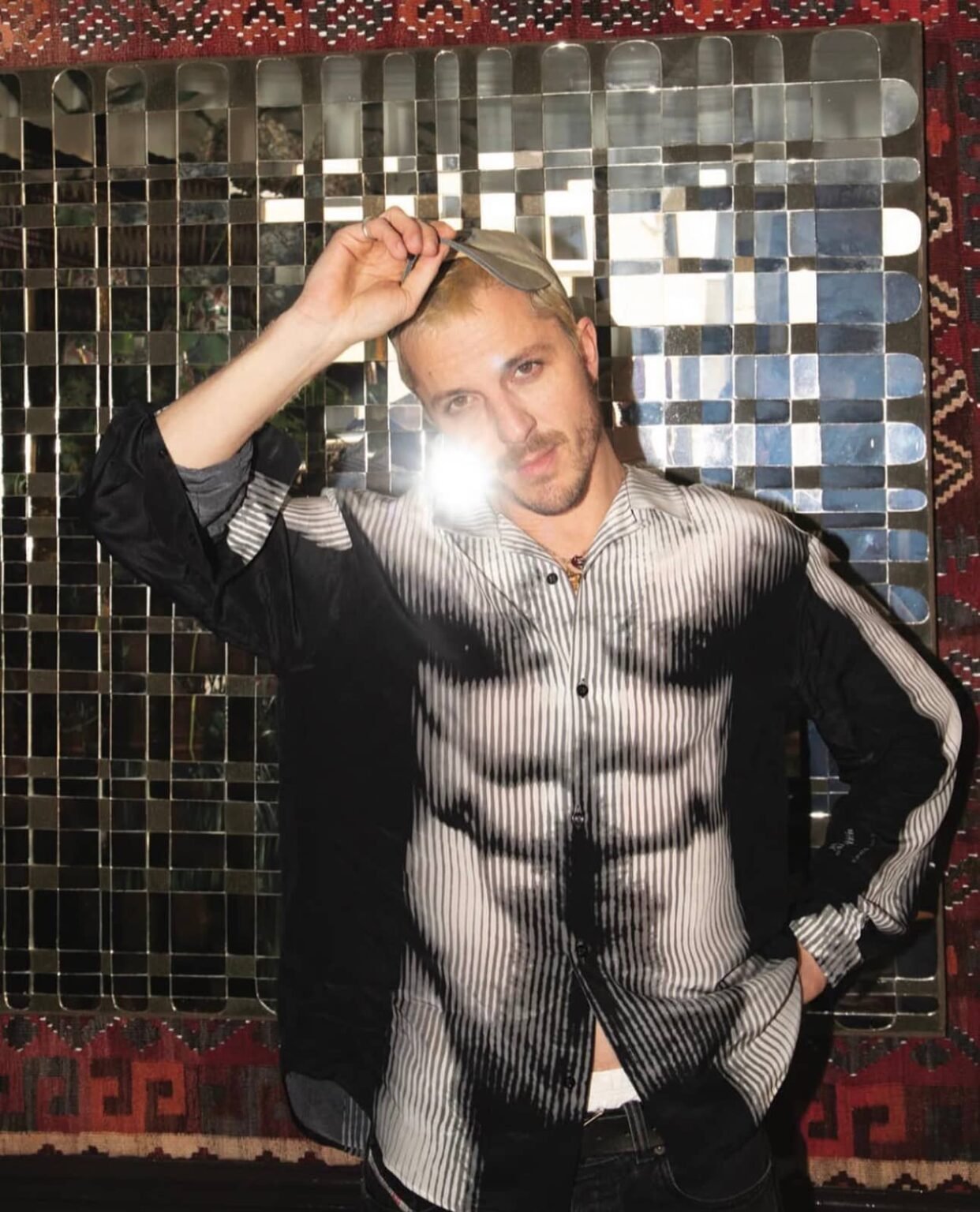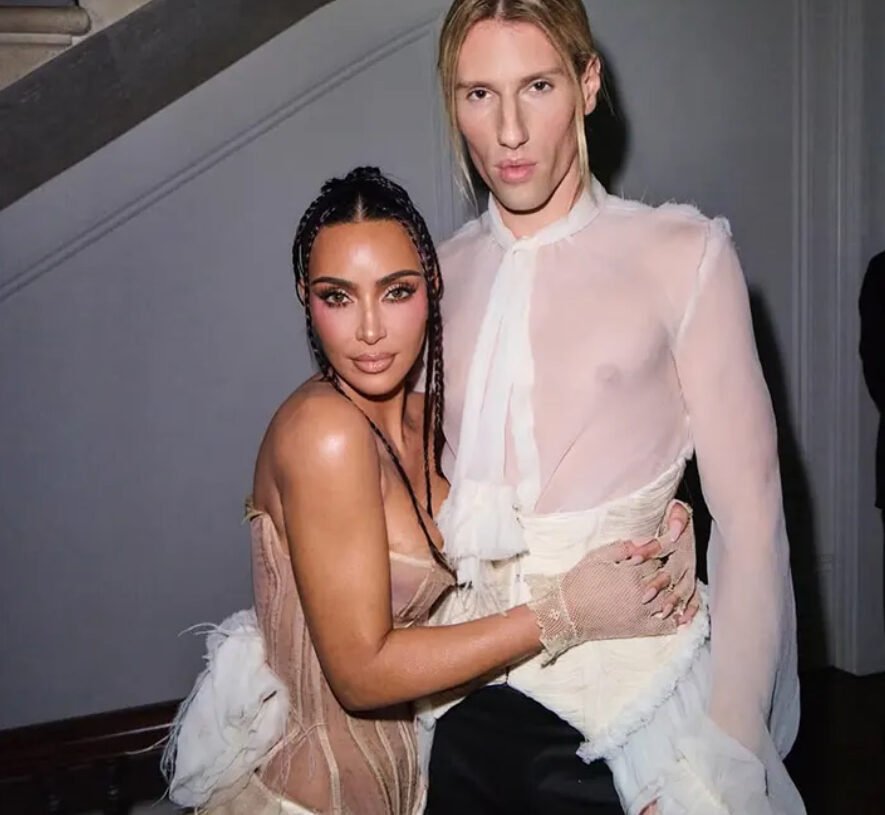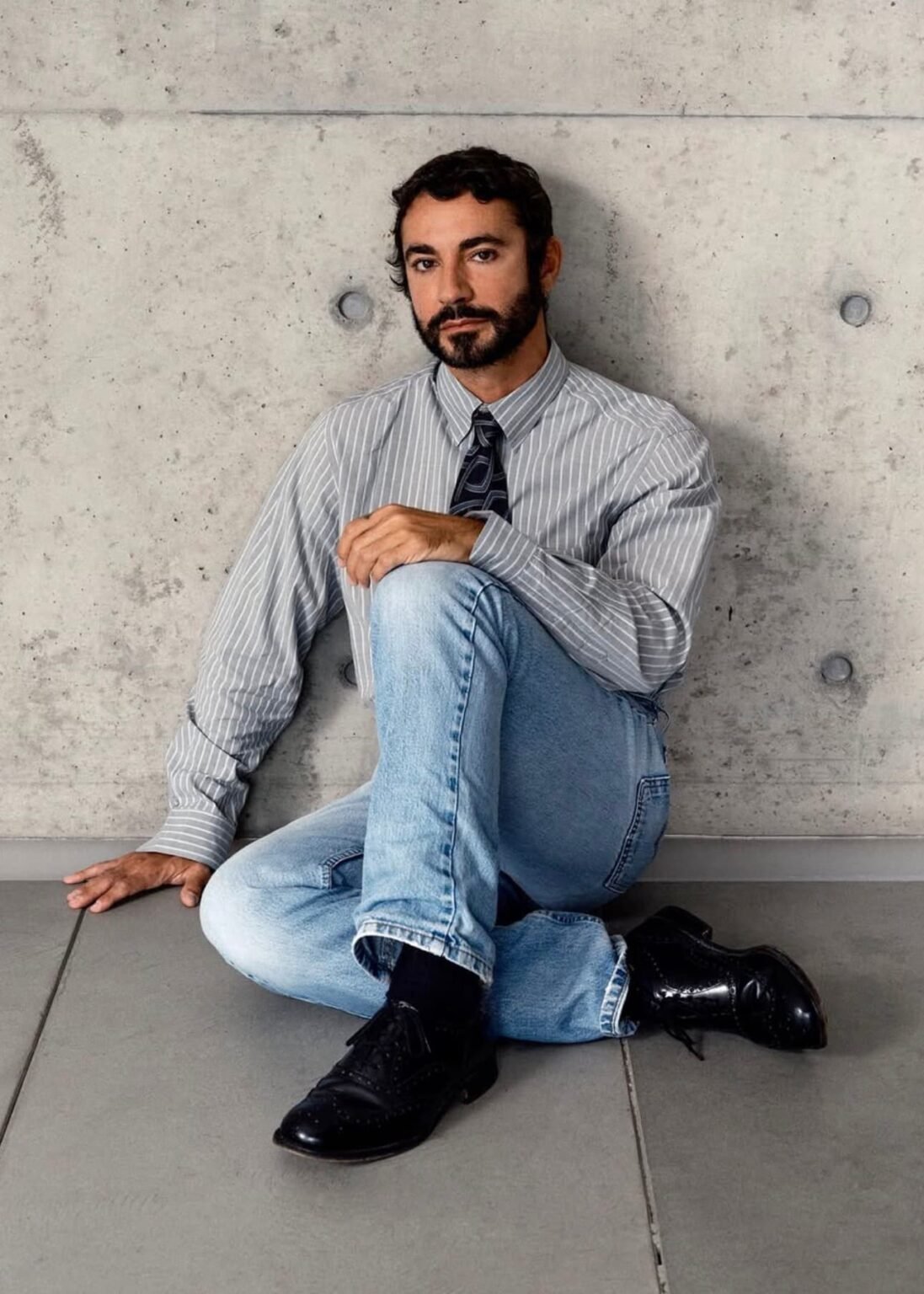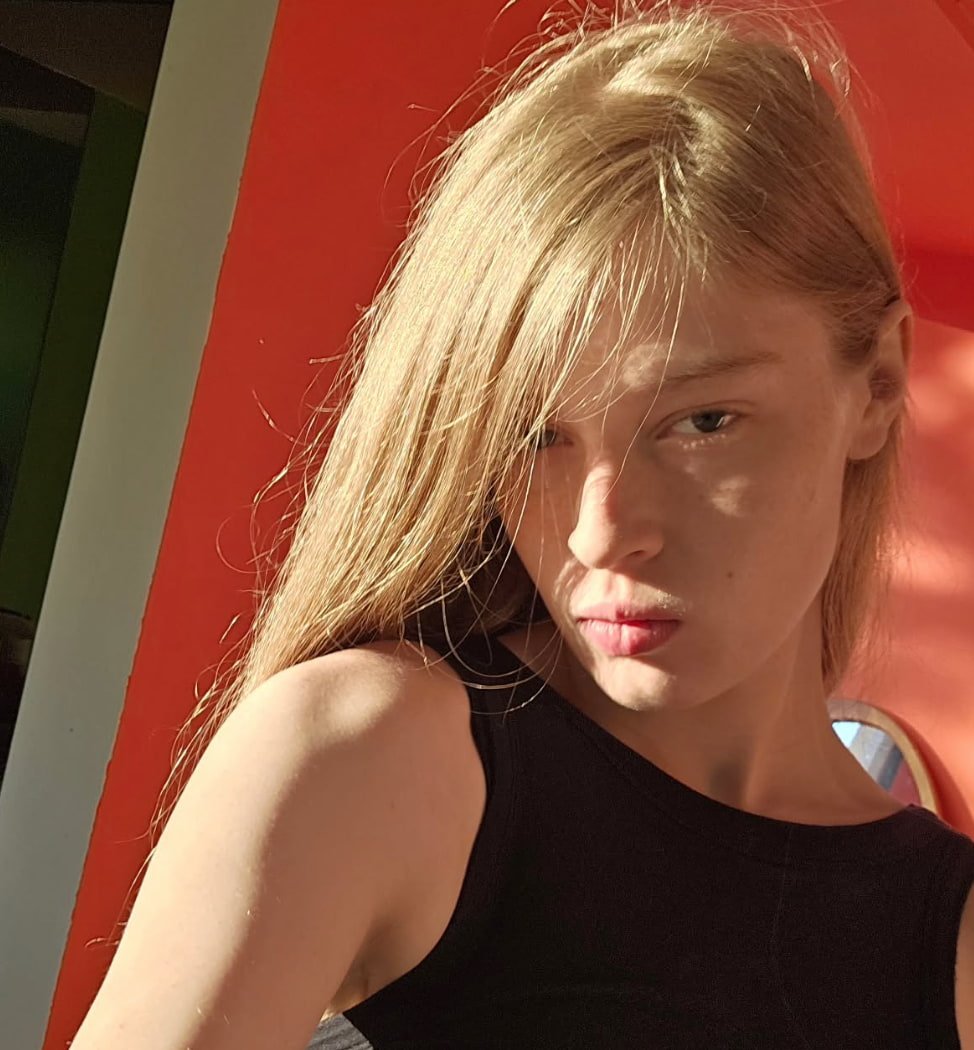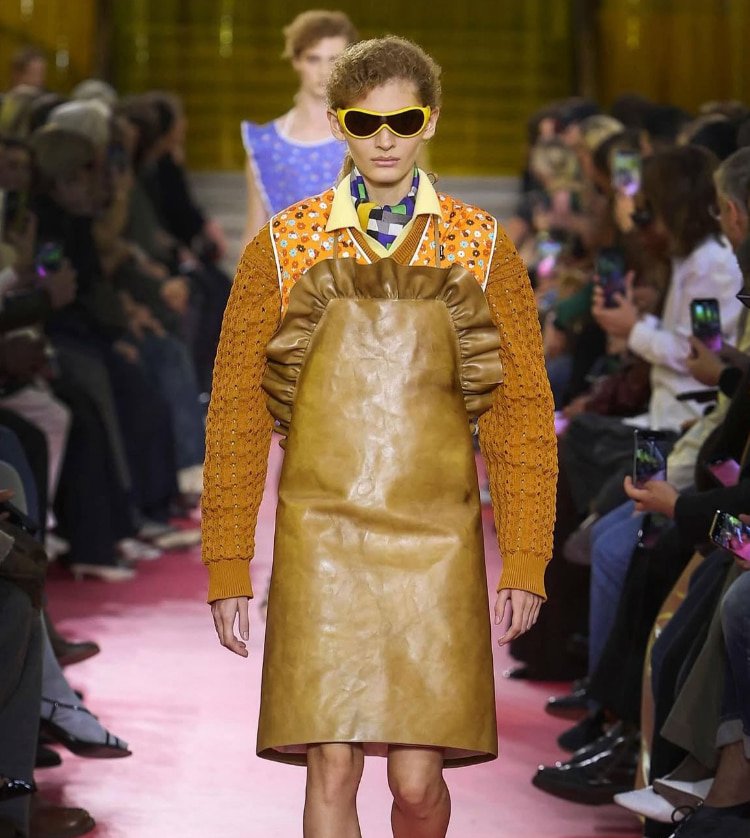
Fashion has always mirrored its moment, but Miuccia Prada holds a rarer talent: she reflects not just the times, but the contradictions women are asked to embody. Her spring/summer 2026 Miu Miu collection, anchored by oversized aprons, didn’t simply toy with ’50s domestic nostalgia. It rejected it. These aprons weren’t props of homemaking; they were artifacts of the endless labor of performing it.
In a cultural landscape where “tradwife” influencers curate domestic bliss and ignorance as a brand strategy, Prada’s apron lands like a cultural counterpunch. Described in the show notes as “a consideration of the work of women, their challenges, adversity, experience,” the garment refuses to play into sentimentality. Instead, it becomes a symbol of endurance and autonomy, a uniform for the unseen labor that fuels both real homes and digital Instagram and Tik-Tok fantasies. If the internet teaches women to present perfection, Miu Miu exposes that façade projecting it into her designs.
The collection draws from a lineage of feminist art: Judy Chicago’s The Dinner Party, Faith Ringgold’s quilts, works that elevate domesticity into a political expression. But the deisgns repositions that legacy within the glitchy reality of a screen-mediated world. Taste is now algorithmic. Reality is curated. Womanhood is filtered. And the domestic sphere has become a backdrop for performance.
Many artists have pointed at Miuccia’s instinct for turning cultural obsession into critique, from the micro-mini revival of 2022 to today’s apron, emerging just as the internet romanticizes domestic control. Tradwife aesthetics promise stability in chaos, an immaculate fiction built through color-coordinated kitchens, perfect braids, impeccable clothes, well-mannered dialects and algorithmic polish. Their domesticity is a performance masquerading as authenticity.
Prada’s aprons reject all that symmetry. They’re oversized, awkward, undone, purposefully so. Womanhood today is a negotiation between visibility and invisibility, effort and ease, productivity and poise. Even influencing, sold as leisure, has calcified into emotional labor. By refusing the tidy label of “tradwife,” the collection suggests that no label is adequate. The layers already exist within every woman; the only question is which ones she decides to reveal.
Miu Miu isn’t escaping the trend cycle; she’s rewriting its code. Because in an era flattening truth and individuality, her apron doesn’t signify submission it becomes a sign of survival and defiance.