Who is Cami Zole, and where does she come from? What’s her story?
I grew up on Réunion Island, a volcanic land where nature is wild and cultural diversity overflows. Everything there is excessive — the light, the rain, the heat, the emotions. My mother worked in theaters, so I spent a large part of my childhood on stage — performing in front of empty seats or watching directors rehearse with their actors. I also traveled a lot and had a rather unconventional education, often studying remotely through the CNED, surrounded mostly by adults. My childhood was full of contrasts — between nature and culture, between Morocco and Canada, between the richness of travel experiences and the absence of any fixed roots. I didn’t really have the same “recess breaks” as other kids my age, and I loved that. I think I’m still chasing that same vibration today — in both my life and my art. Even though I’ve clearly needed to build slightly more stable foundations now — I live in Paris, in the same apartment for five years — which is a personal record for me (haha). But that need for constant movement will always stay with me.
What emotion drives your art through photography and dance?
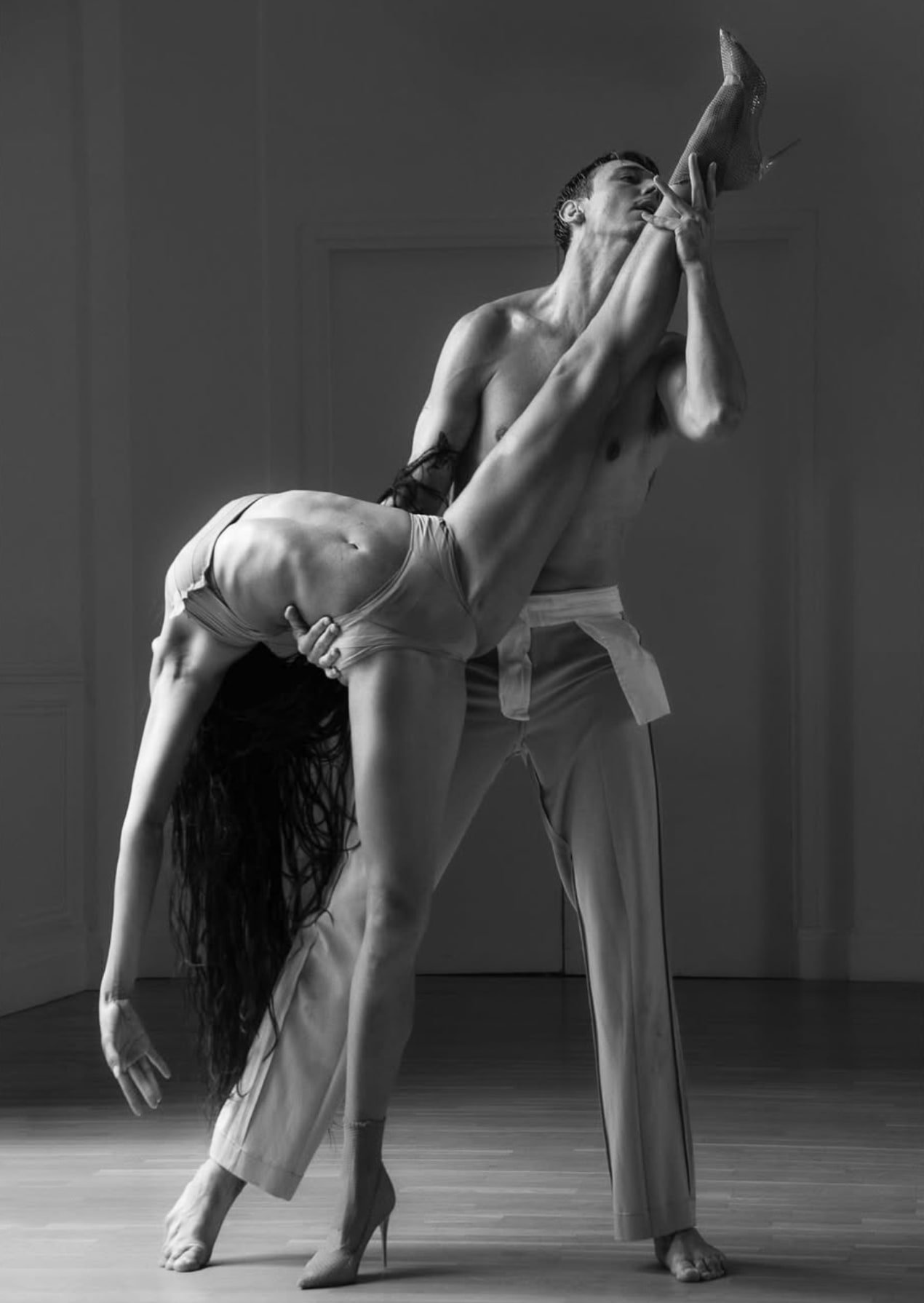
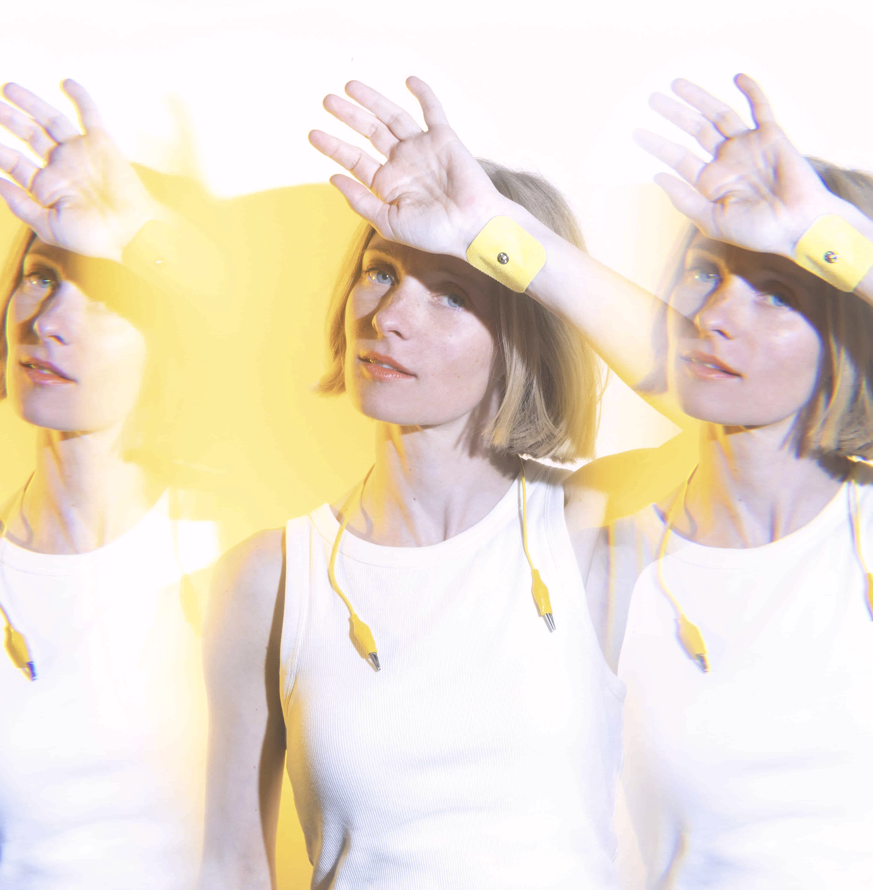
I think it’s movement, in all its forms. I don’t like the idea of freezing things. On the contrary — I love when a photo seems to breathe, when you can imagine what came just before or just after. I love when an image feels alive. I come from filmmaking — I love rhythm, sound, the physicality of movement. Photography opened the doors to brands, magazines, the fashion world, but I see my art as much broader than that. I create still images, moving images, sounds, atmospheres. What I love about dance is the same: movement, emotion, sound. The sound of breath, the floor creaking, the dull thud of a body hitting the ground — it all moves me as much as light or composition. That’s what I’m always searching for — a living, vibrating emotion that still exists when you close your eyes.
What was your first contact with a camera?
My mother used to turn our bathroom into a darkroom when I was little, and she constantly took me to photography exhibitions. So photography has always been there. But I really started experimenting around sixteen, when I got a small digital camera that could film. I filmed everything around me — my friends, strange self-portraits — and spent hours editing these weird little videos, mixing Walt Disney soundtracks with Skrillex (haha). I recently found those old files on a hard drive… and I sincerely hope no one ever sees them!
Was there a moment when dance took as much space in your life as photography?
Dance and photography occupy opposite places in my life. When I create images — as a director, photographer, or videographer — I’m more of an observer, a voyeur. It’s a very inward, almost introverted energy. Dance is the complete opposite: it’s the extroverted, uninhibited version of me. I need to channel my energy when I work, so dance studios are my release. That’s where I empty myself out, where I recharge. It’s what allows me to slip into my “geek era” for a while afterwards. (haha)
Was there a person, artist, or experience that influenced your beginnings?
I’ve seen countless films, exhibitions, plays… My mother took me to concerts and festivals ever since I was a baby. I grew up watching theater troupes create in French, English, Spanish, Arabic — so I don’t think one person influenced me, but rather a chorus of voices, languages, and faces. All of them left their mark, consciously or not. But recently, I realized why I’m so drawn to women who are a little dangerous — glamorous, over-styled, wearing ballroom gowns in decaying places. It hit me that these women are basically my grandmother — my mother’s mother. I’d never made the connection before, but she’s the real main character. One day I’ll make a film about her — though I warn you, it might have to be rated 16+ (haha).
What did you dream of becoming as a child?
Exactly what I am today. (But also a lawyer, a nurse, a stylist, a star, a farmer…)
Your work blends fashion, portraiture, and documentary. What connects all your images?
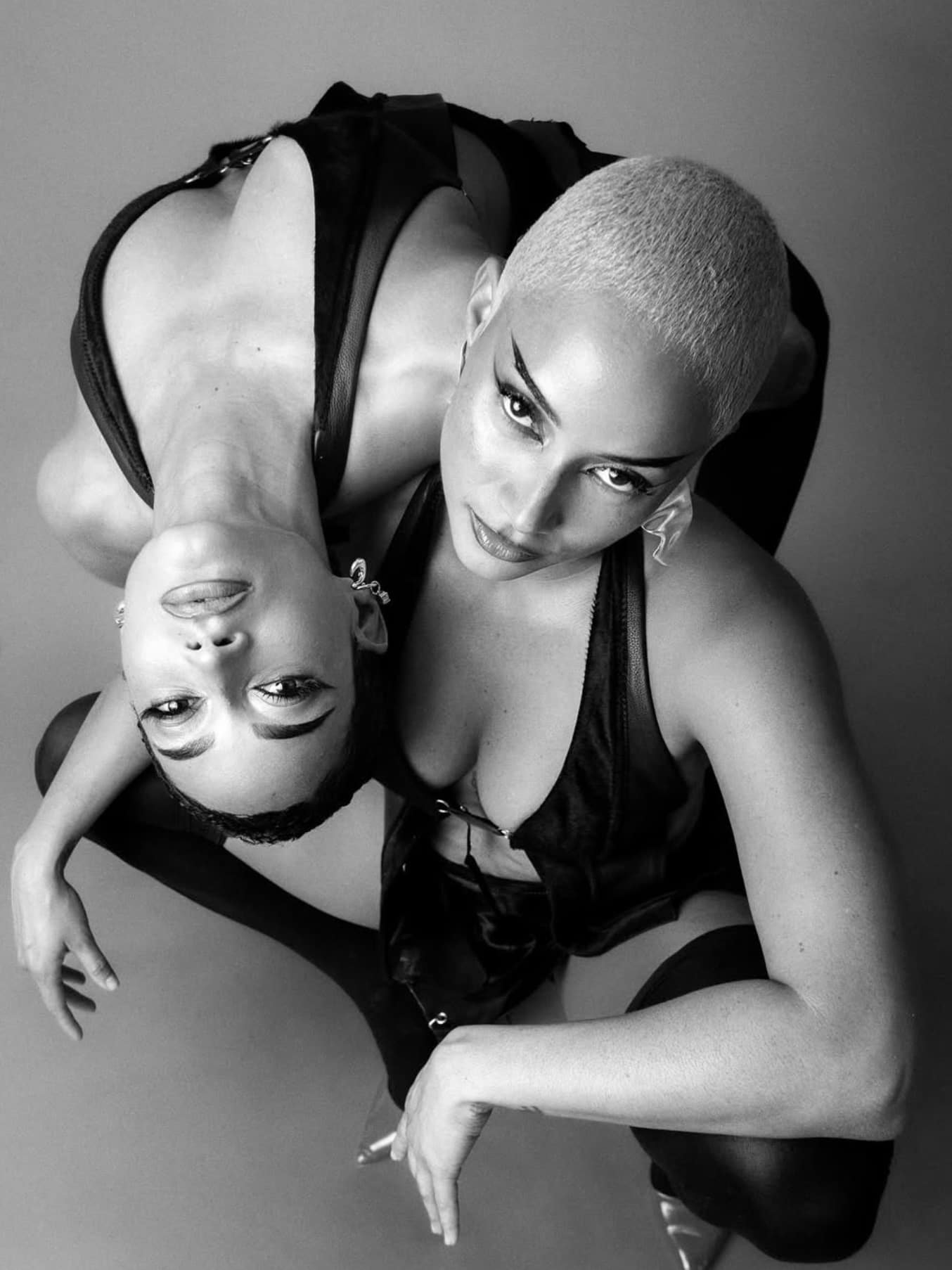
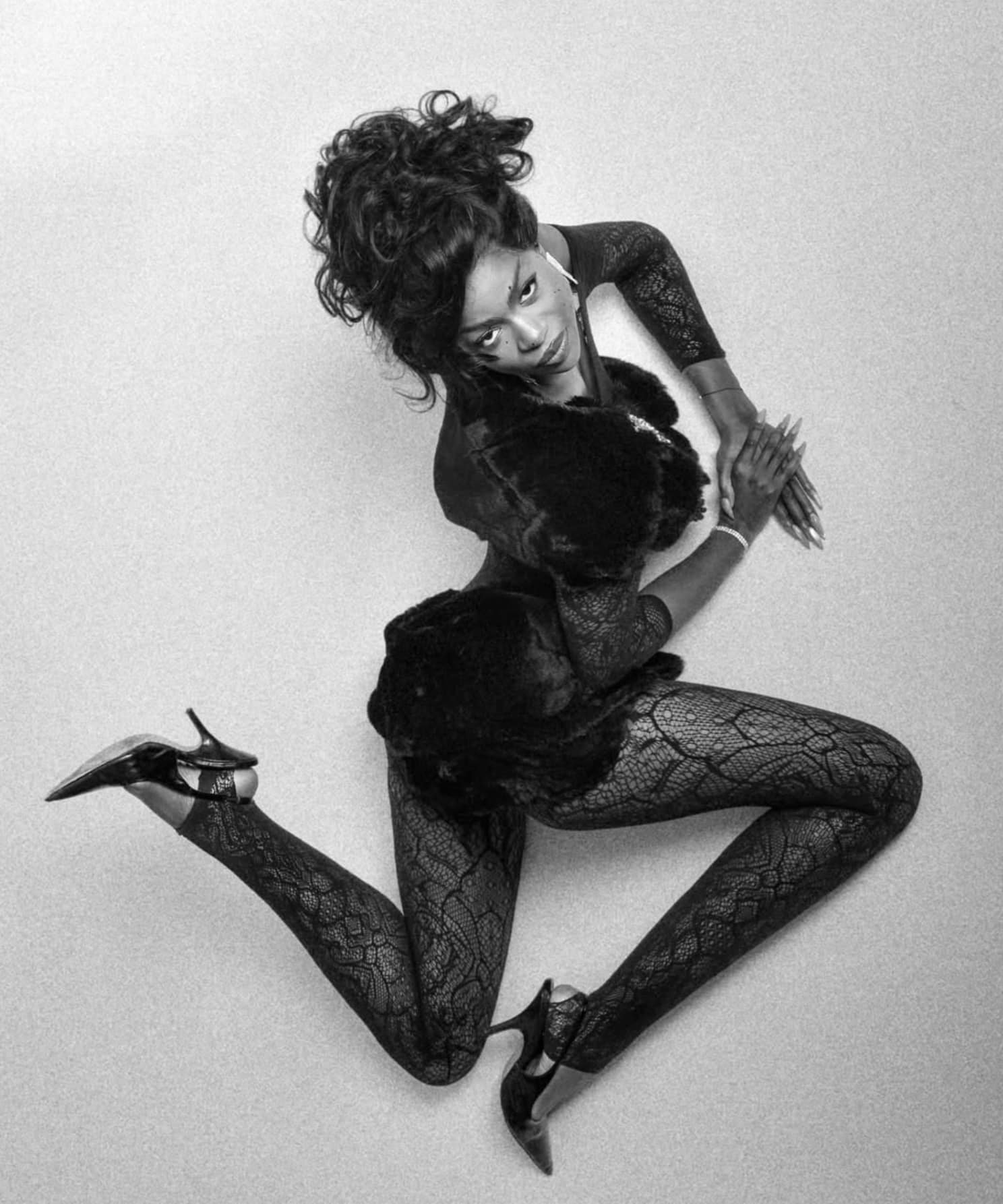
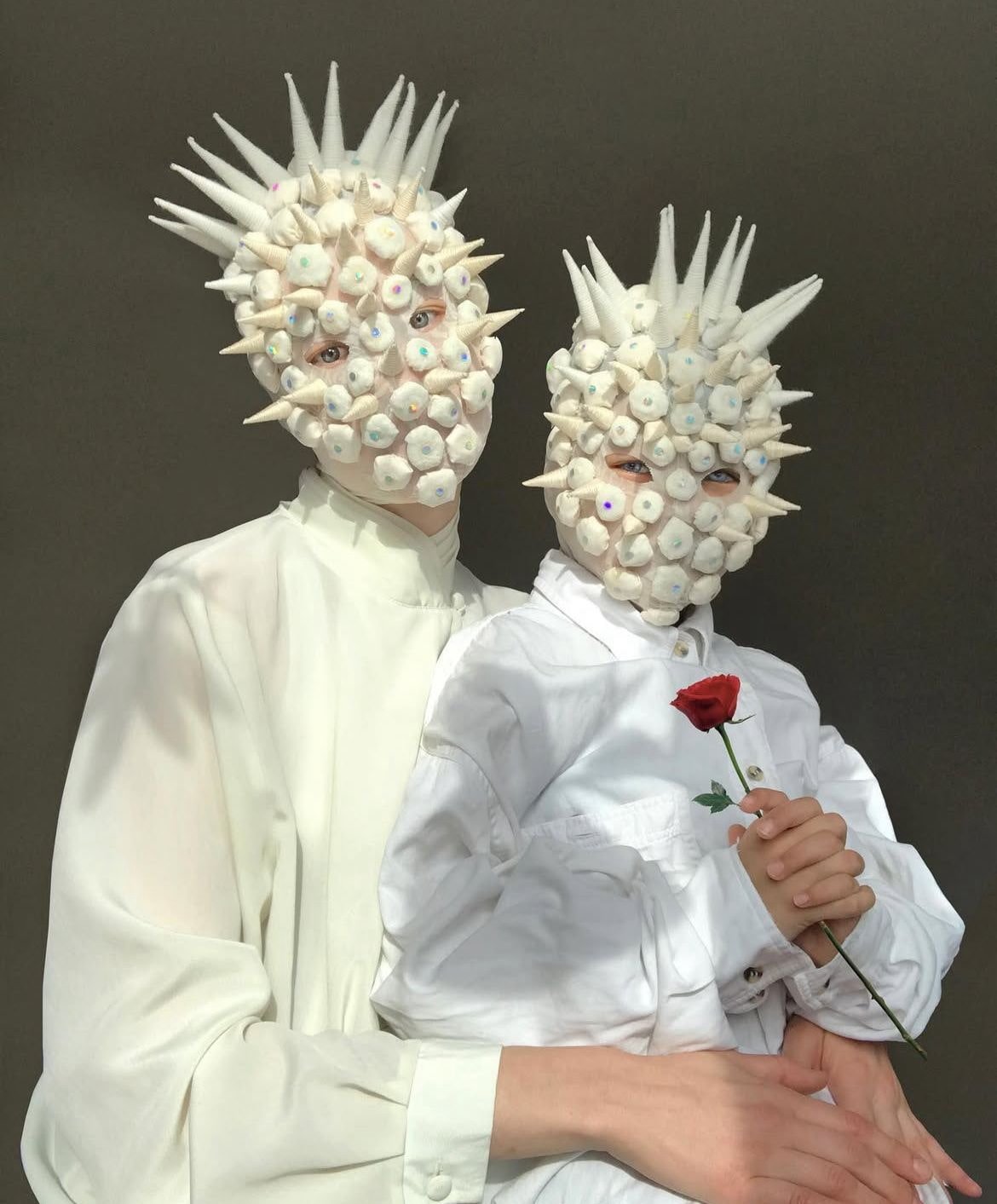
I’d say it’s the obsession with disguised reality. I love when an image feels like a dream but you can still sense a trace of truth behind it — or the reverse, when something documentary suddenly looks like fiction. Pure reality doesn’t interest me much — I like to slip a bit of magic, a touch of suspense into it. And above all, I love that fragile point where beauty meets strangeness. Portraits came first, almost by accident. I wanted to practice, so I photographed girls I knew who needed pictures. Then came documentary work — at first because I needed to work — but I ended up loving it, especially when it involved dance, intense women, or glittery worlds. Fashion came later, and that’s where my creativity feels the freest: in the sets, the characters, the colors, the styling, the post-production… It’s a more cinematic process — like being on a film set, with a full crew and shared vision. And I love that.
When you start a new project, what’s your process like?
It really depends on the project — you don’t prepare a portrait, a documentary, or a fashion editorial in the same way. But if I talk about what I do most and love most right now — fashion editorials — I’d say everything starts with a film I make in my head. I close my eyes, put on a playlist, and start imagining worlds. When a color or a feeling begins to take shape, I let it grow and build around it piece by piece. Sometimes I start with a location — something I’ve pictured or stumble upon. When I visit it, I absorb everything: the light, the color of the curtains, the smell of the room, the energy that lingers there. From that, I imagine the characters who might live there, their stories. Then I weave the atmosphere like I’m unraveling a dream. Styling might come first or last — it depends on where the thread begins.
What themes would you like to explore more deeply in the coming years?
I mostly want to keep being surprised by life, to stay amazed by everything and everyone. I work on intuition — if someone or something captures me, I dive in. So no, I don’t have a specific “theme” I’m chasing. If I have one wish, it’s to live every project as a total experience — to immerse myself completely. Like those documentary filmmakers who spend months embedded in another culture, and eventually become part of it.
In what direction would you like your career to evolve?
There are two directions that attract me. In fiction, I’d love for my work to take a more audiovisual form — mixing everything I love: sound, texture, words, movement. I want to go deeper into storytelling, collaborate with other artists on more experimental projects. But always in my world — with my strange women and their wigs. (haha) And then there’s this other dream: to make immersive documentaries in unfamiliar lands, with people who fascinate me. For now, that’s a bit hard to balance with family life — I have two daughters and a partner who make me love staying home.
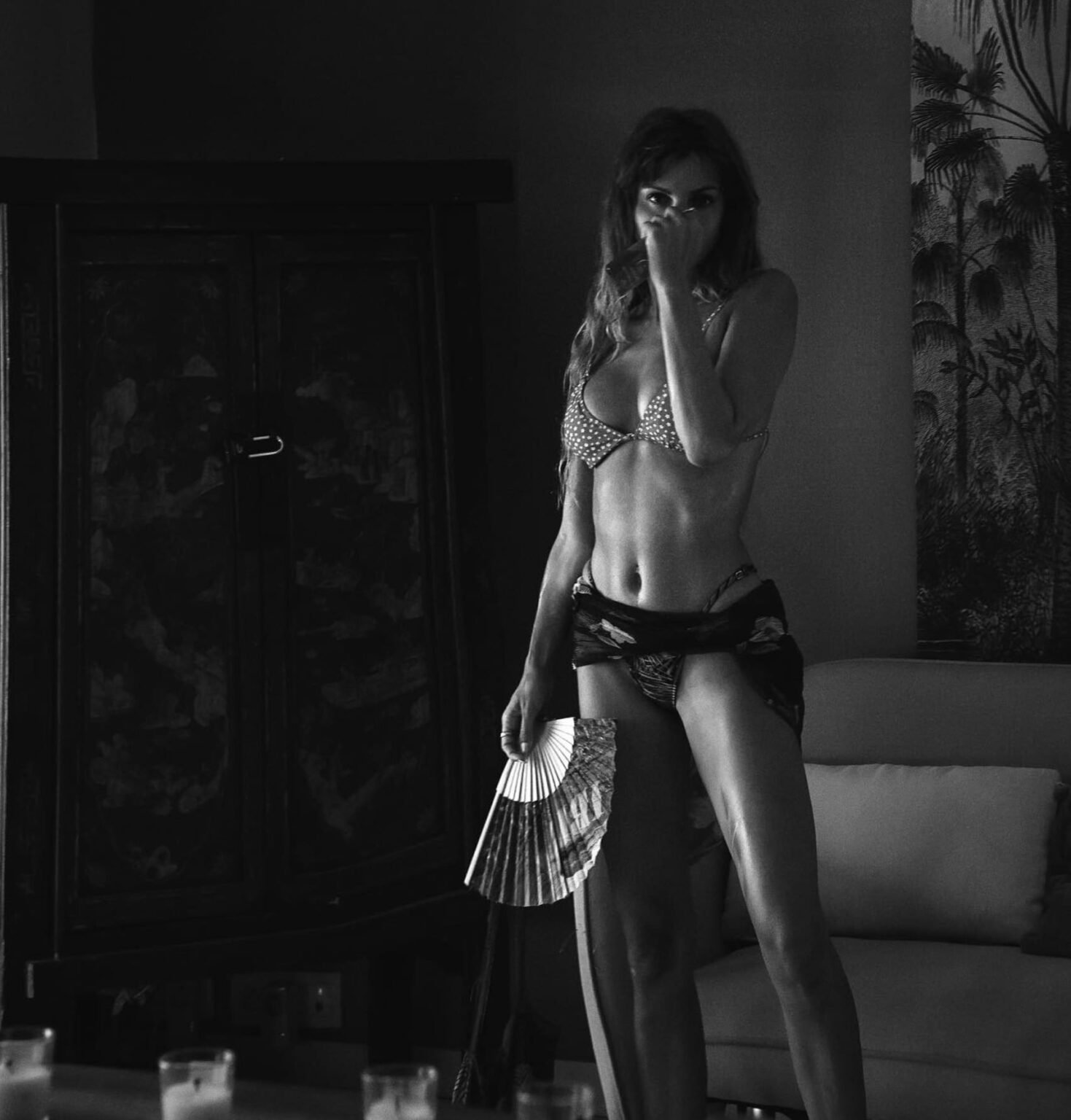
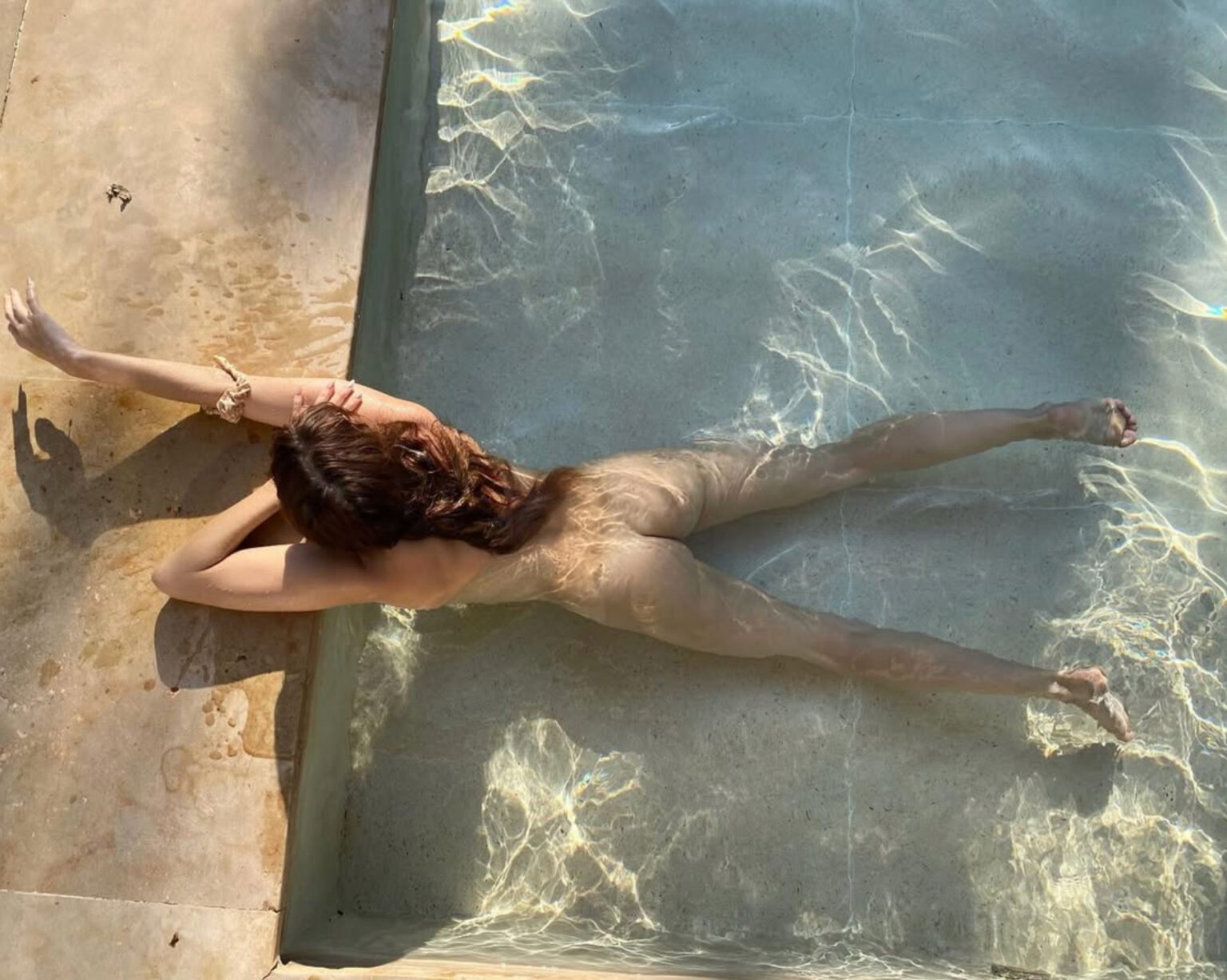
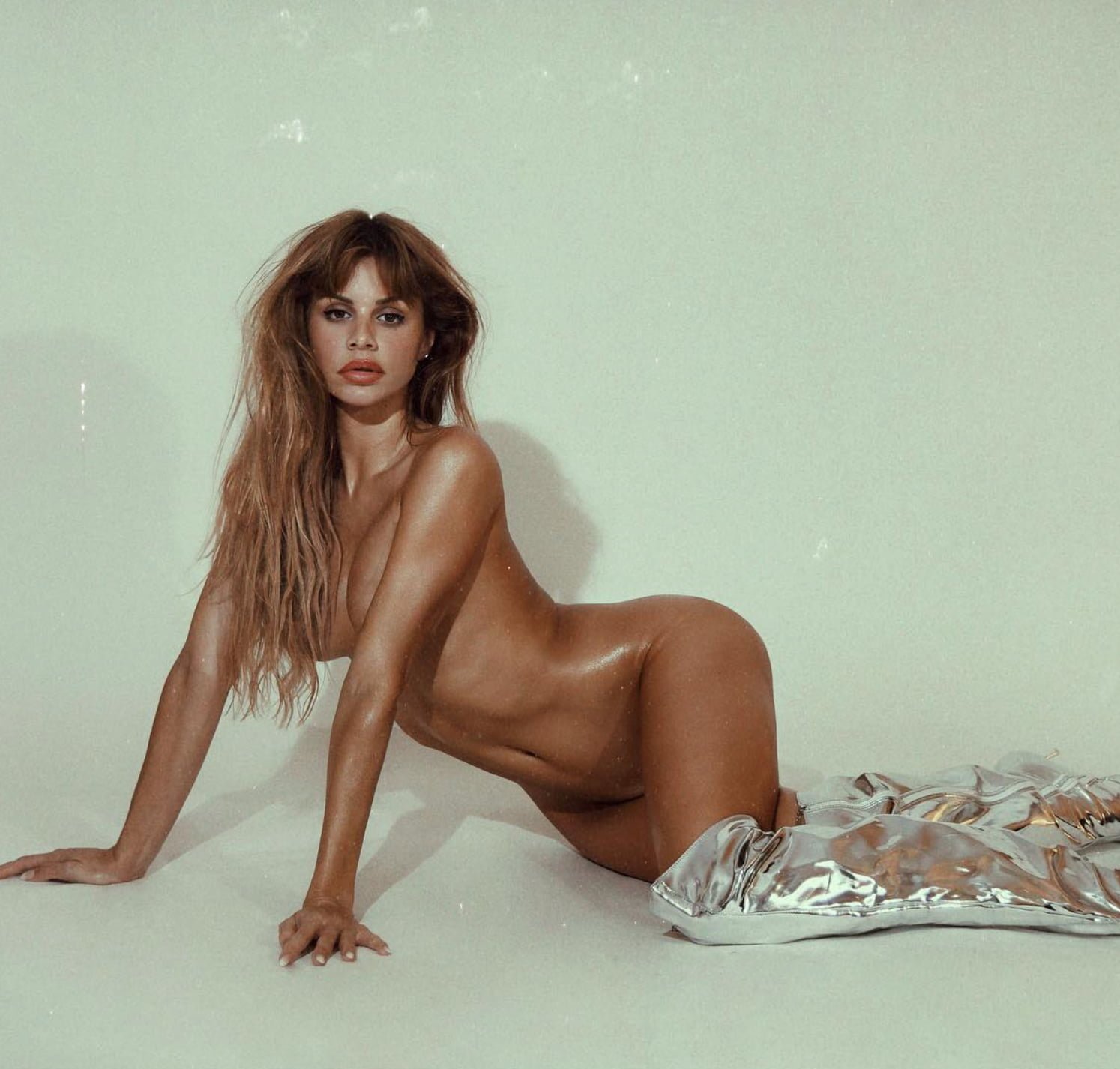
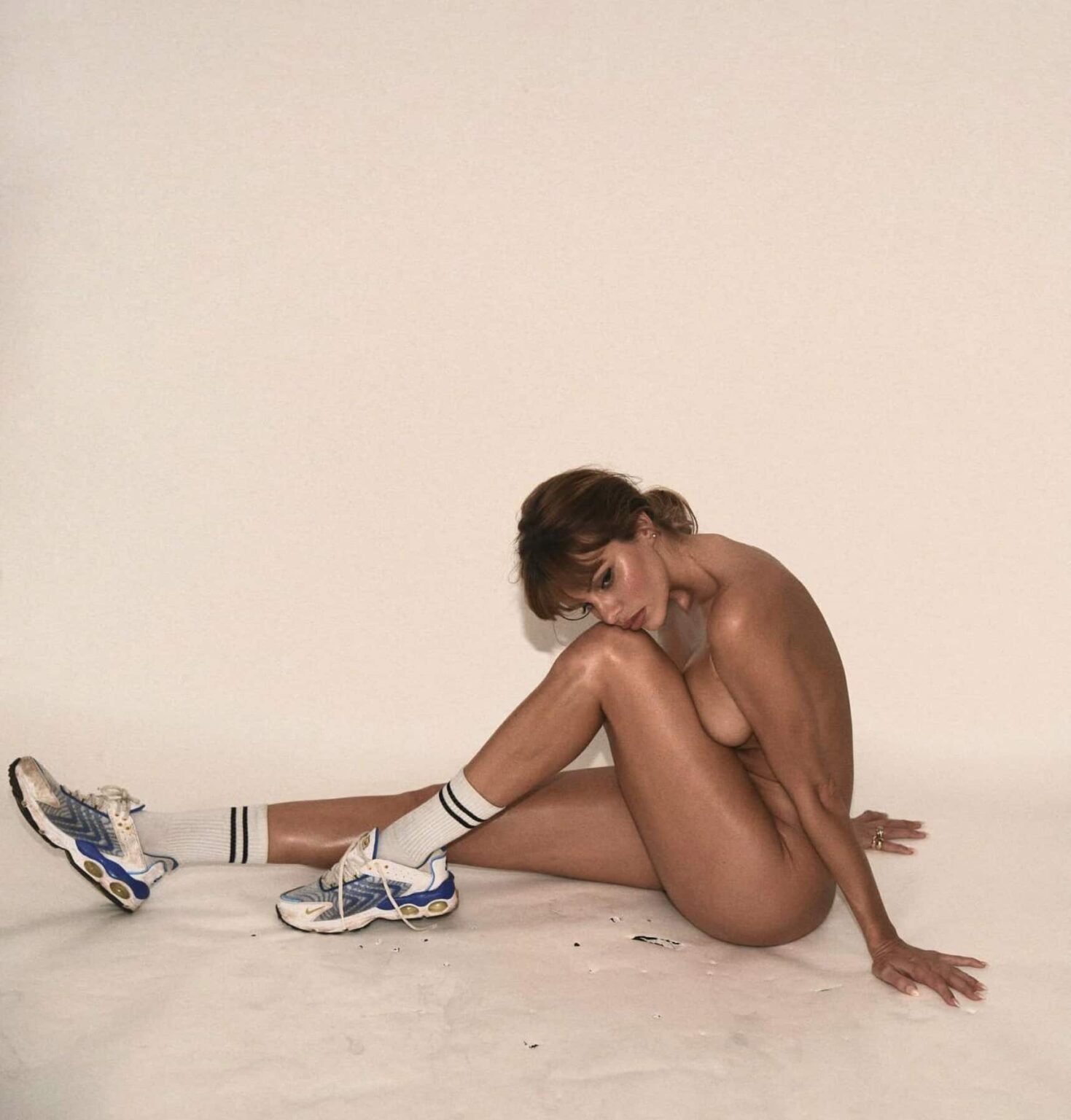
How would you like your work to be perceived in 5 or 10 years?
I have a hard time projecting that far ahead — and honestly, I don’t like imagining what people might think. I just hope I’ll keep finding sincerity in what I do. That I won’t lose myself trying to fit trends or please a brand. I’d love to have a signature — something instantly recognizable, no matter the medium or style.
With artificial intelligence and new technologies, how do you see the future of photography?
I think photography will become an even more conceptual space. AI is another tool in our creative palette — if we learn to master it, it can push us toward completely new territories. It will never replace the human eye, but it will challenge it. I’m experimenting a lot with AI right now — trying to understand it, test it, get my hands dirty. I’m looking for unexpected results, something beyond the smooth morphing and flawless faces we see everywhere. What interests me most is how this technology can stretch our creativity even further.
What personal bond do you have with dance?
I danced alone as a kid — on empty stages or in my living room, performing for an audience of stuffed animals. But I actually started taking real classes when I was pregnant. It feels like dance has always been part of my life, but in truth, it’s a fairly recent passion. And now, it’s become essential — like a way of breathing.
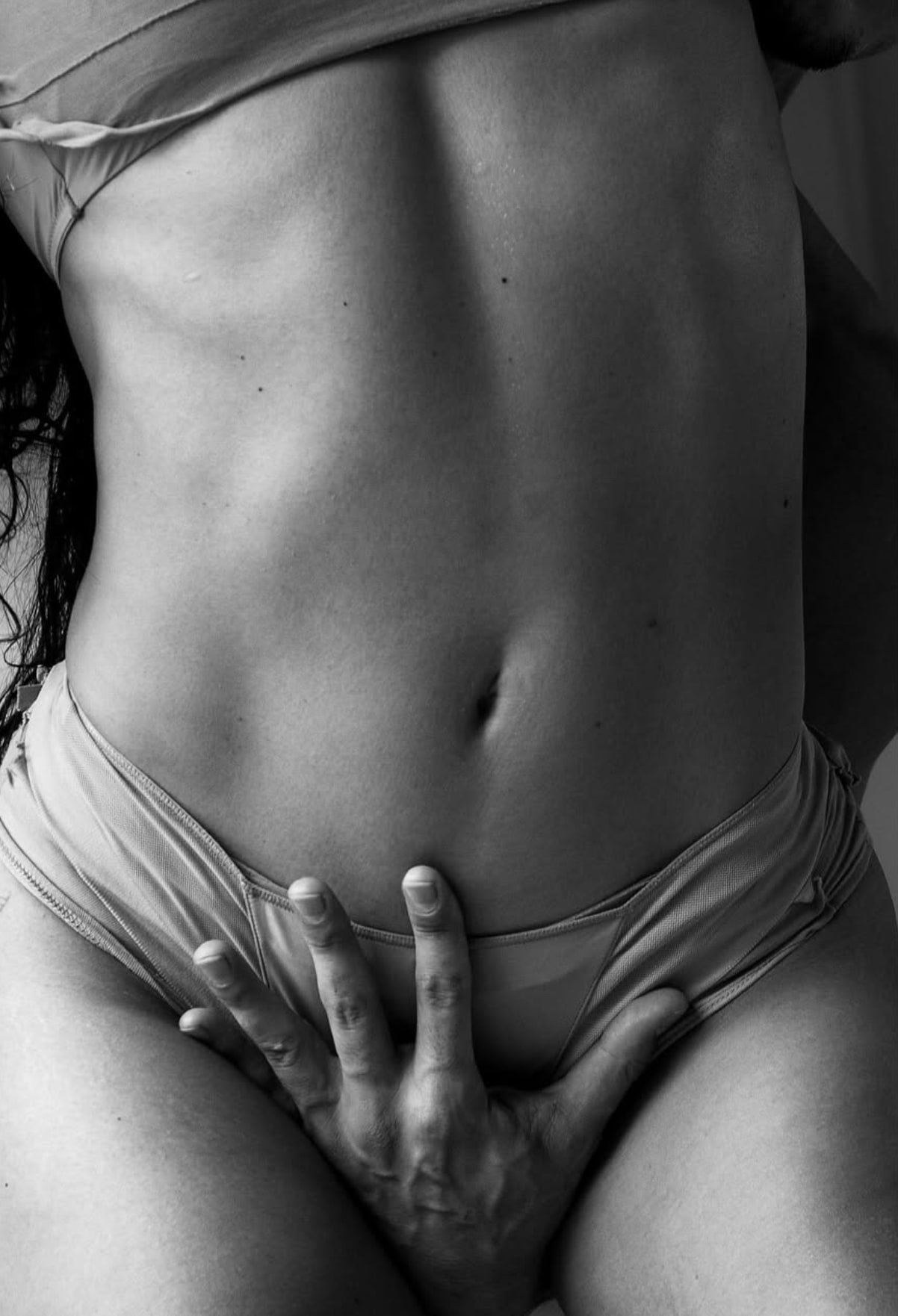
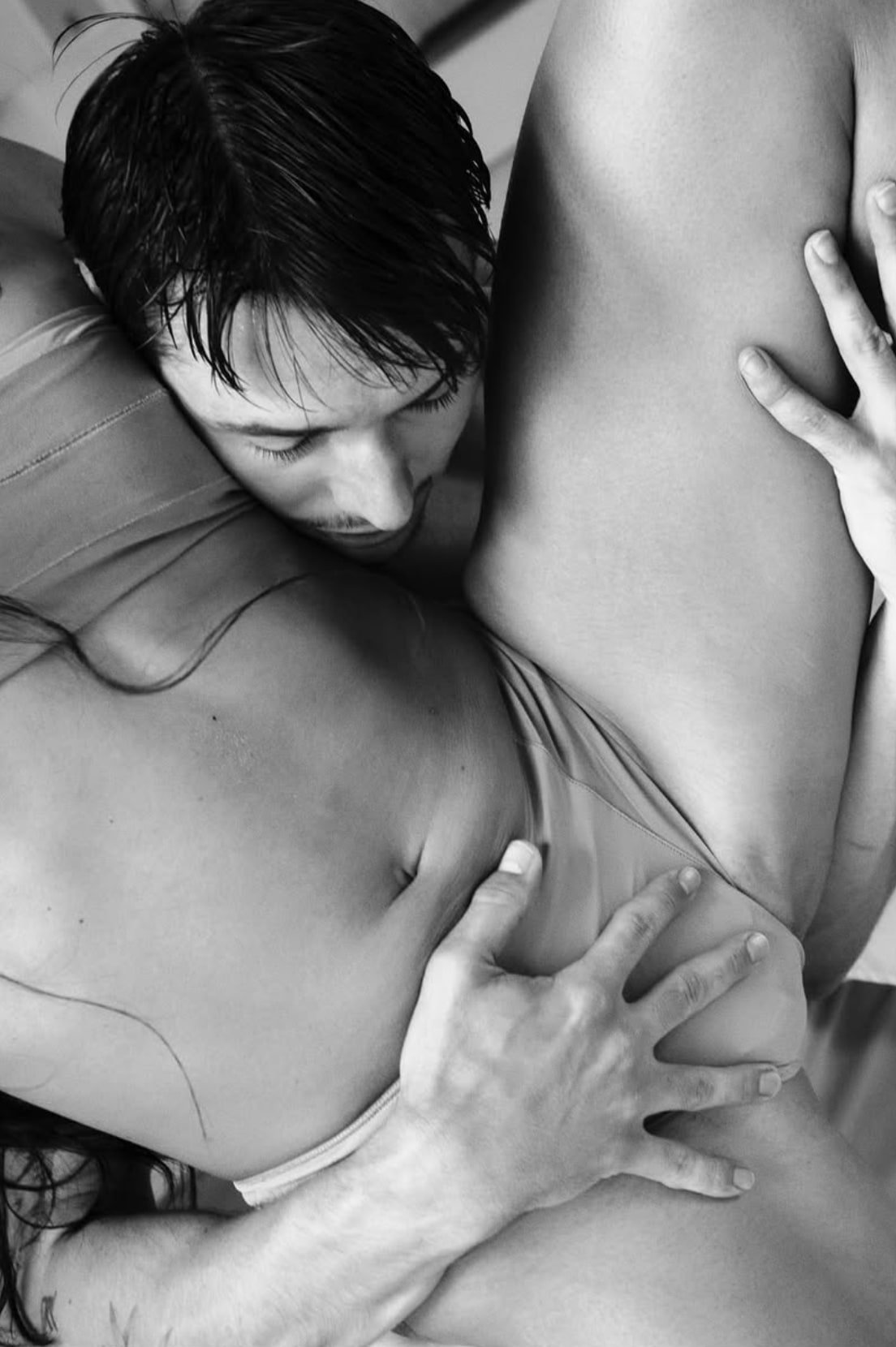
What does the body represent in your art — especially in its sensuality and femininity?
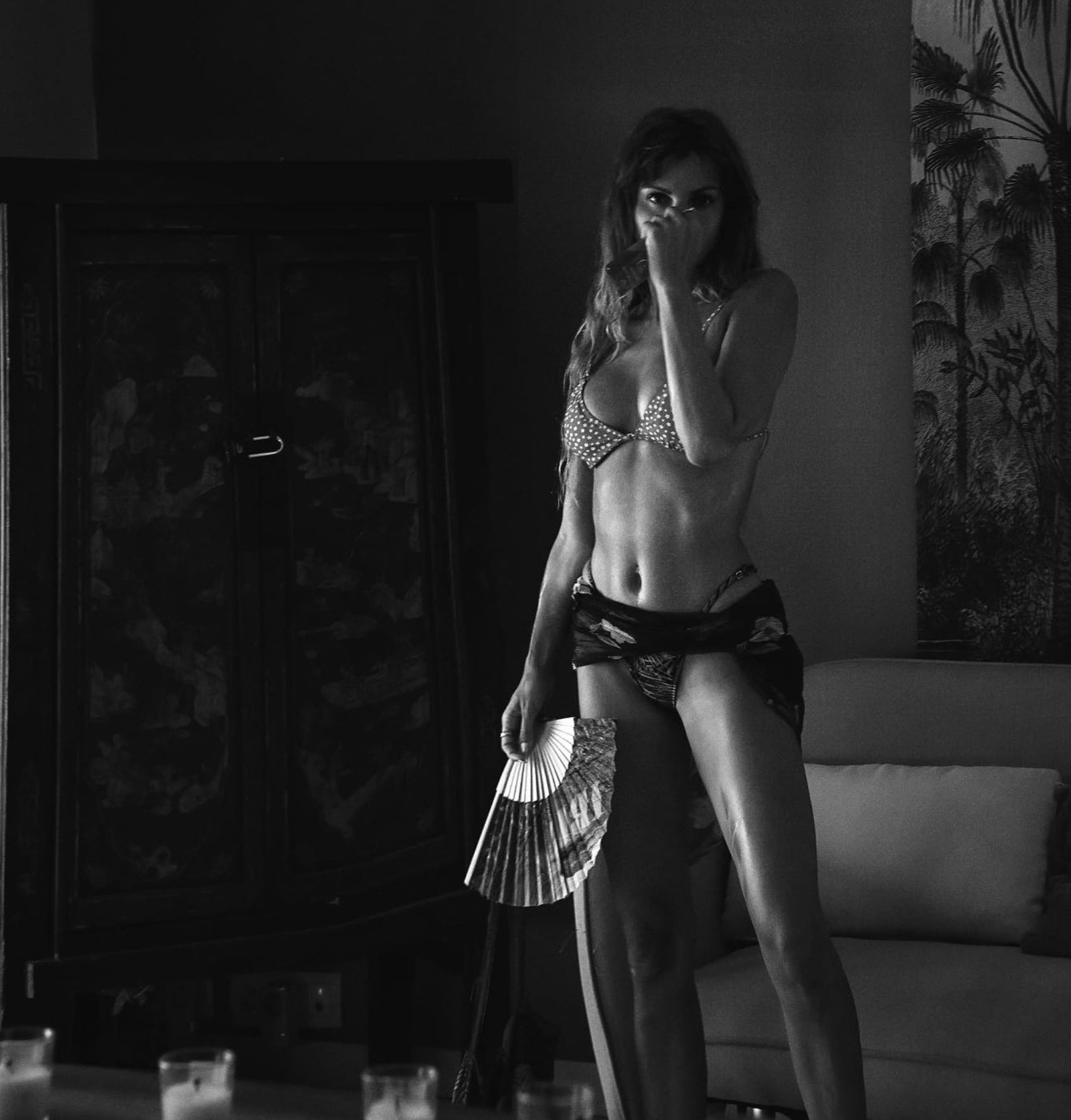
The female body — especially in its sensuality — holds a big place in my work. It’s my first visual language because it says everything. The mind can choose to forget, but the body remembers. It keeps traces, memories, shocks, caresses. It’s both surface and abyss — a place where you can hide or reveal yourself. And for me, sensuality isn’t necessarily sexual. It’s an intensity — a poetic way of inhabiting the world. The feminine body carries an ambiguity that fascinates me: between softness and danger, beauty and discomfort, dominance and surrender.
A childhood film and one you love today?
I didn’t really have “childhood films.” We never had a TV, and I didn’t grow up watching cartoons — I probably started watching films in early adolescence. The first two that really marked me were Melancholia by Lars von Trier and The Virgin Suicides by Sofia Coppola. I was fascinated by how both films talked about death with such tenderness, almost beauty. At that time, I was a little provocative about the idea of death — almost ironic toward tragedy. Now my references have shifted. I relate more to films like Gone Girl or Babylon — stories where chaos still exists, but where life force wins. Death doesn’t make me laugh anymore. I’d rather become a very busy great-grandmother. (haha)
A food you couldn’t live without, and a trip that marked you?
José mangoes — a variety from Réunion Island. Objectively, the best mangoes in the world. They’re my little madeleine of Proust. As for travel, every trip has left a mark. But I’d still give a special mention to Tanzania. Sleeping in a tent in the middle of a lion reserve, crossing paths with a giraffe upon waking, discovering the Maasai community… it was indescribable. I cried every day — from happiness, of course.
Your favorite childhood toy?
Barbies! I had tons of them — and not a single one kept her original look. I used to cut their hair, dye it with markers, draw tattoos, customize their clothes… And of course, I made them live through some wild adventures. I guess I’m still doing that today — just with real-life models. (haha)
A phrase or word that helps you move forward?
“My thoughts become facts.” (It’s true! It’s like a superpower… you just have to learn how to use it!)