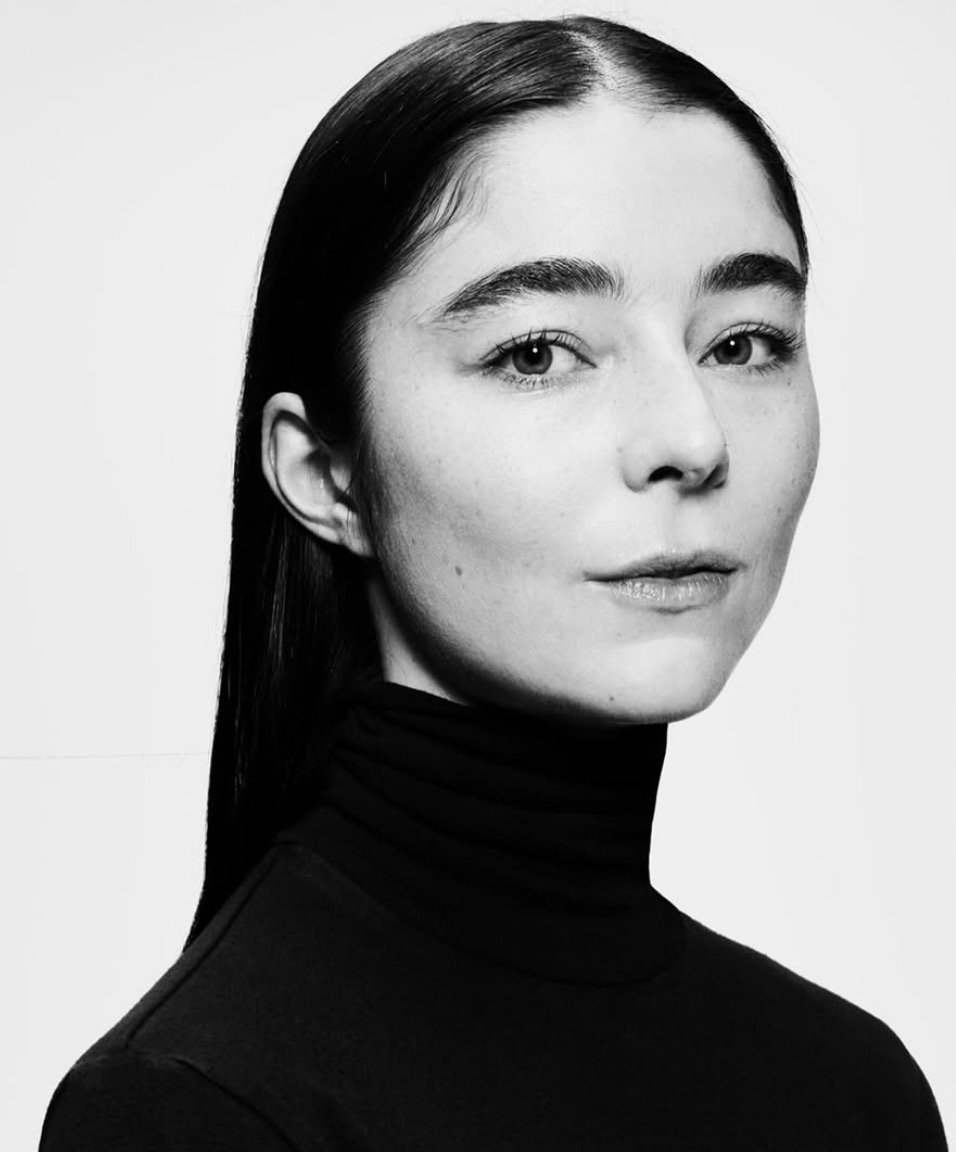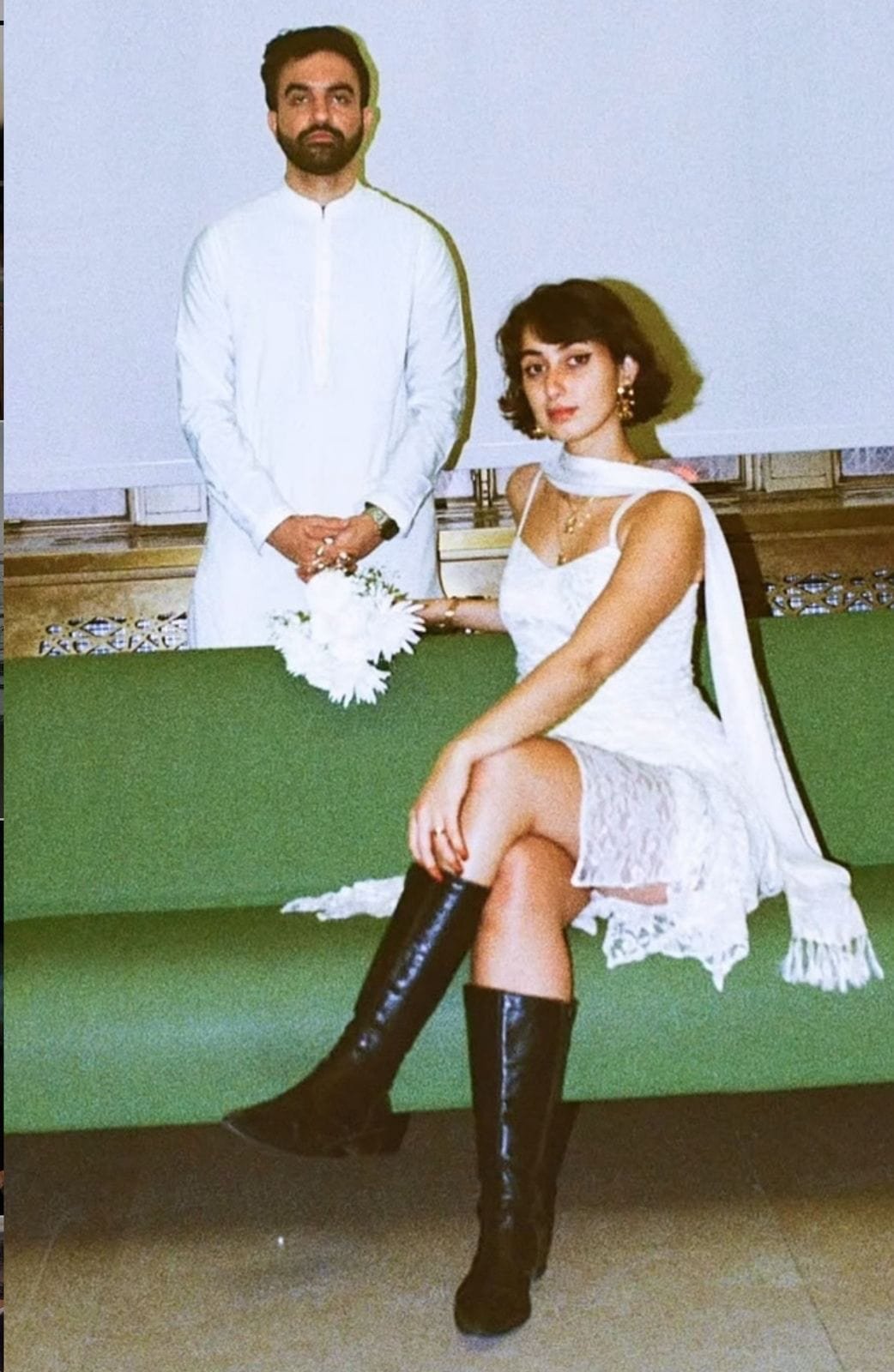
While cameras followed every move of New York’s newly elected mayor, Zohran Mamdani, a quieter presence shaped how millions perceived him. Rama Duwaji, illustrator, animator, and ceramicist of Syrian descent, was the creative mind behind the campaign’s visual identity, a system that transformed politics into something intimate, legible, and shared.
Born in Houston in 1997 to Syrian parents and formed in the United States, Duwaji grew up navigating parallel cultural narratives. She studied Fine Arts at Virginia Commonwealth University and completed a master’s degree in Illustration at New York’s School of Visual Arts. Her professional work has appeared in international publications and institutions, such as the New Yorker, consistently exploring identity, community, and resilience.
For Mamdani’s campaign, Duwaji developed what supporters came to recognize as the “Mamdani style.” The palette fused the orange yellow of the MetroCard with the firehouse red of New York’s firefighters, grounded by deep blues associated with local sports culture. Portraits often rendered Mamdani in stark black and white.
Typography played an equally important role. Inspired by hand painted storefront signs across the city’s neighborhoods, the lettering was thought as something accessible in which every citizen could feel seen. In a digital landscape dominated by polished branding, the campaign’s visuals suggested proximity rather than power.
Duwaji’s broader artistic practice is explicitly political, though never didactic. Her illustrations frequently address humanitarian crises in Palestine, Syria, and Sudan, while centering the endurance of Middle Eastern women. She has described her work as a form of witnessing rather than shouting, an ethic that translated seamlessly into the campaign’s tone.
The result was a visual language that carried emotional weight without sacrificing rigor. It invited voters to see Mamdani not as a distant figure, but as part of a shared urban story.
Mamdani’s inauguration, held in the abandoned City Hall subway station beneath Manhattan, confirmed that instinct for symbolic choreography. Sworn under the Corán, the first Muslim, Asian, socialist mayor, held momentum. Yet the groundwork had been laid long before. Through color, form, and restraint, Rama Duwaji demonstrated how design can shape political possibility, turning aesthetics into a quiet but decisive force.
Her proximity to power never translated into spectacle or self promotion. Instead, Duwaji remained deliberately peripheral, allowing images to speak collectively rather than personally. That discretion reinforced the campaign’s credibility, reminding audiences that effective design often operates invisibly, shaping perception, memory, and emotion long after slogans fade and elections end. It also reframed authorship, centering communities, shared values, and democratic participation over individual genius within contemporary urban political culture today globally.