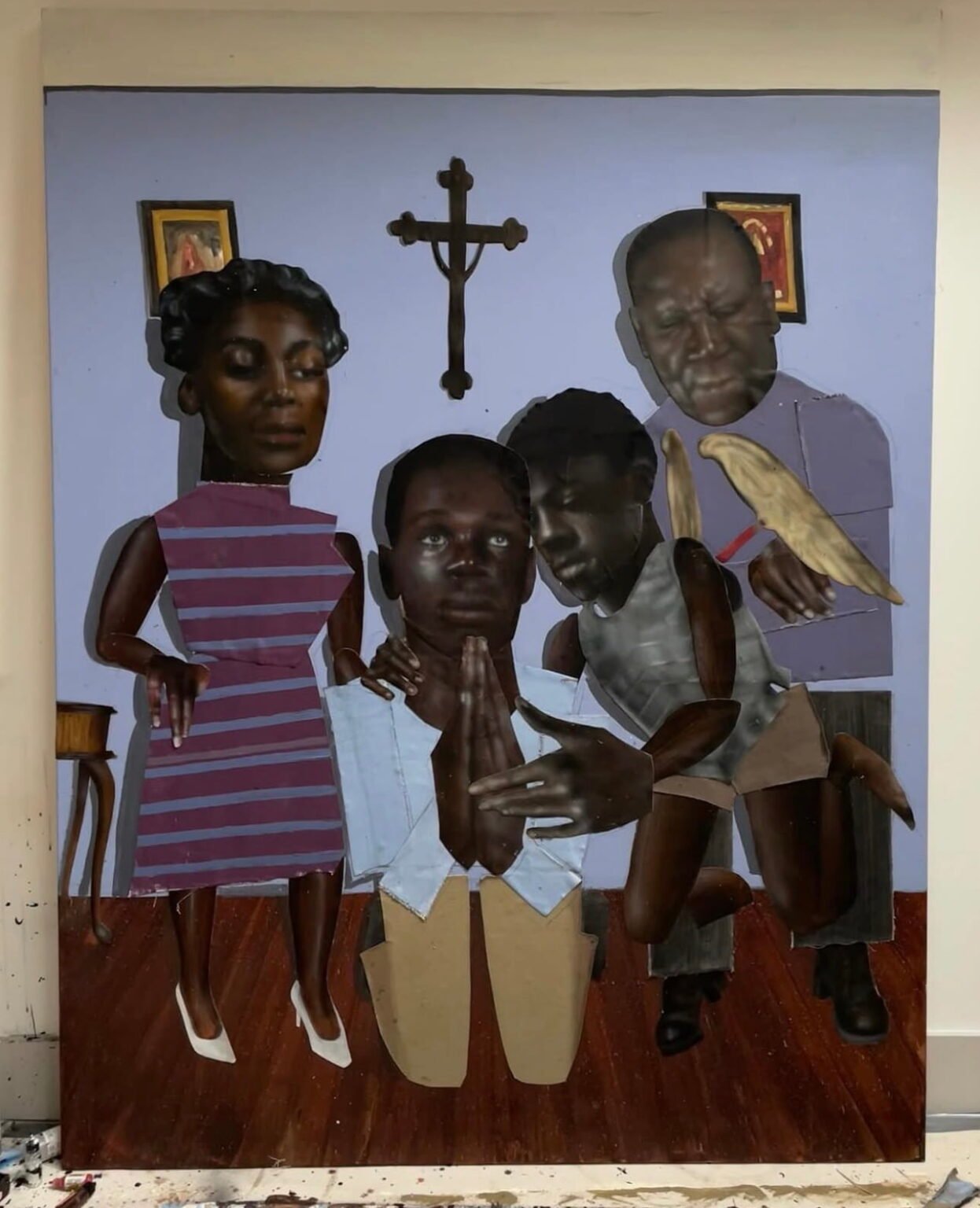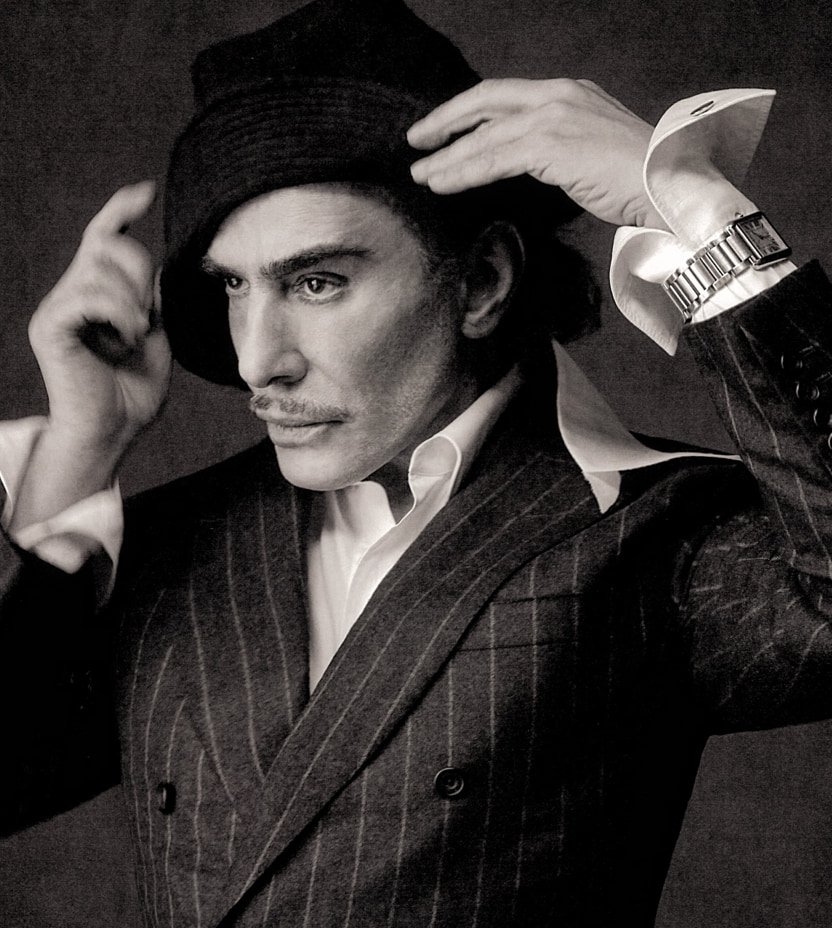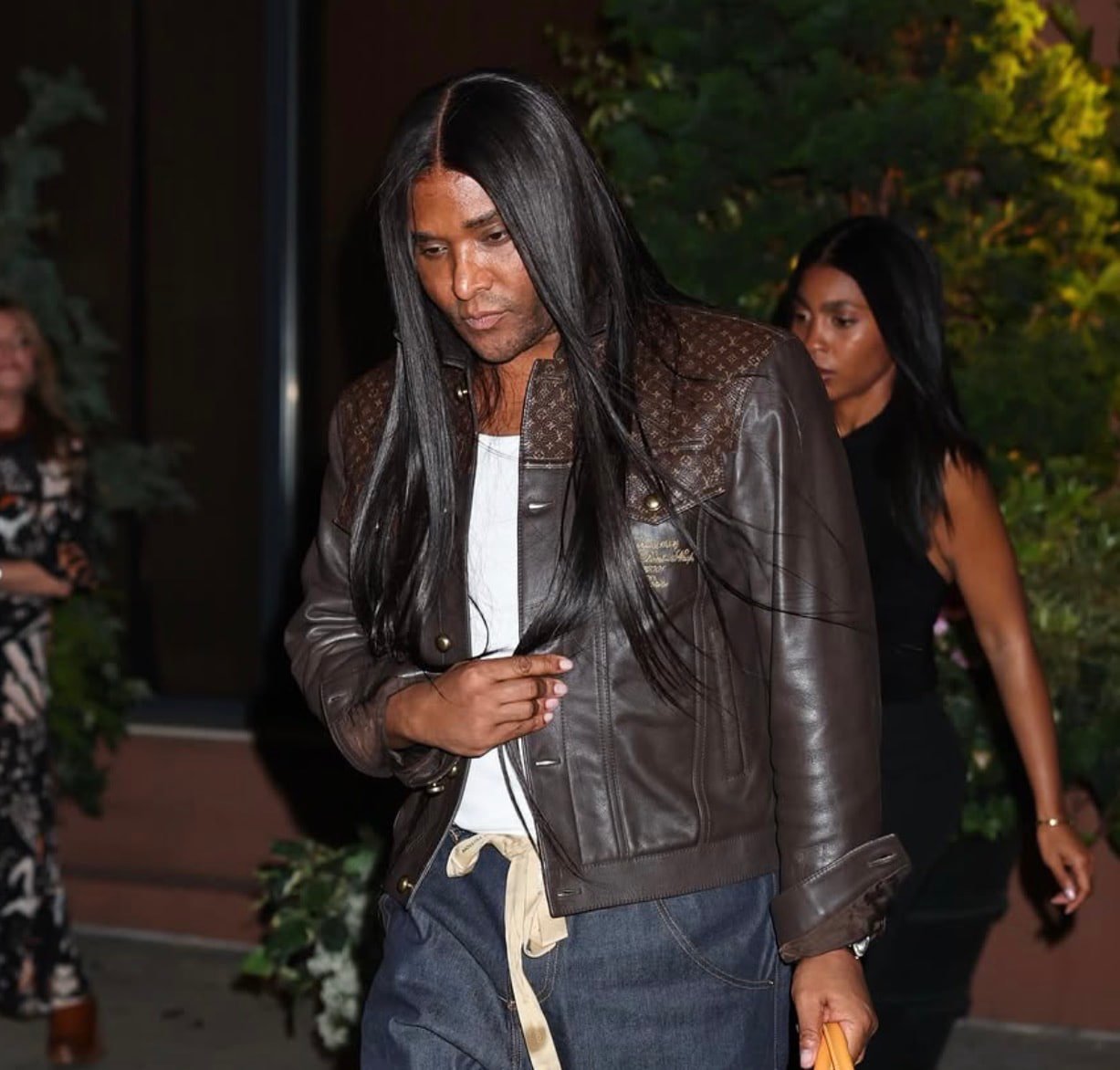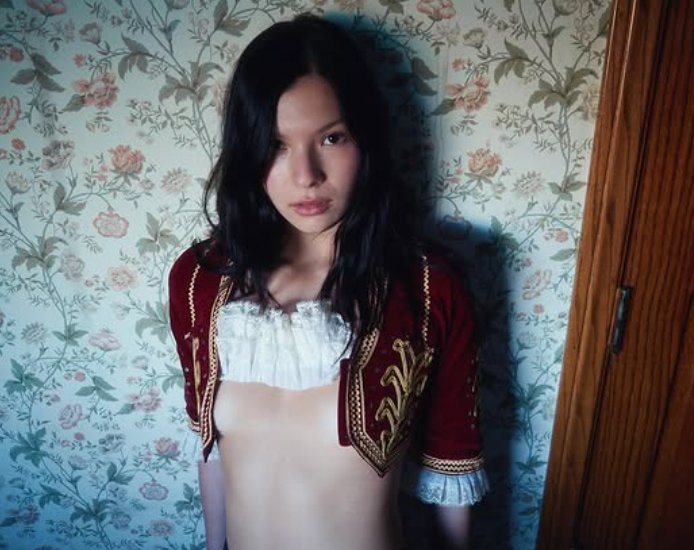
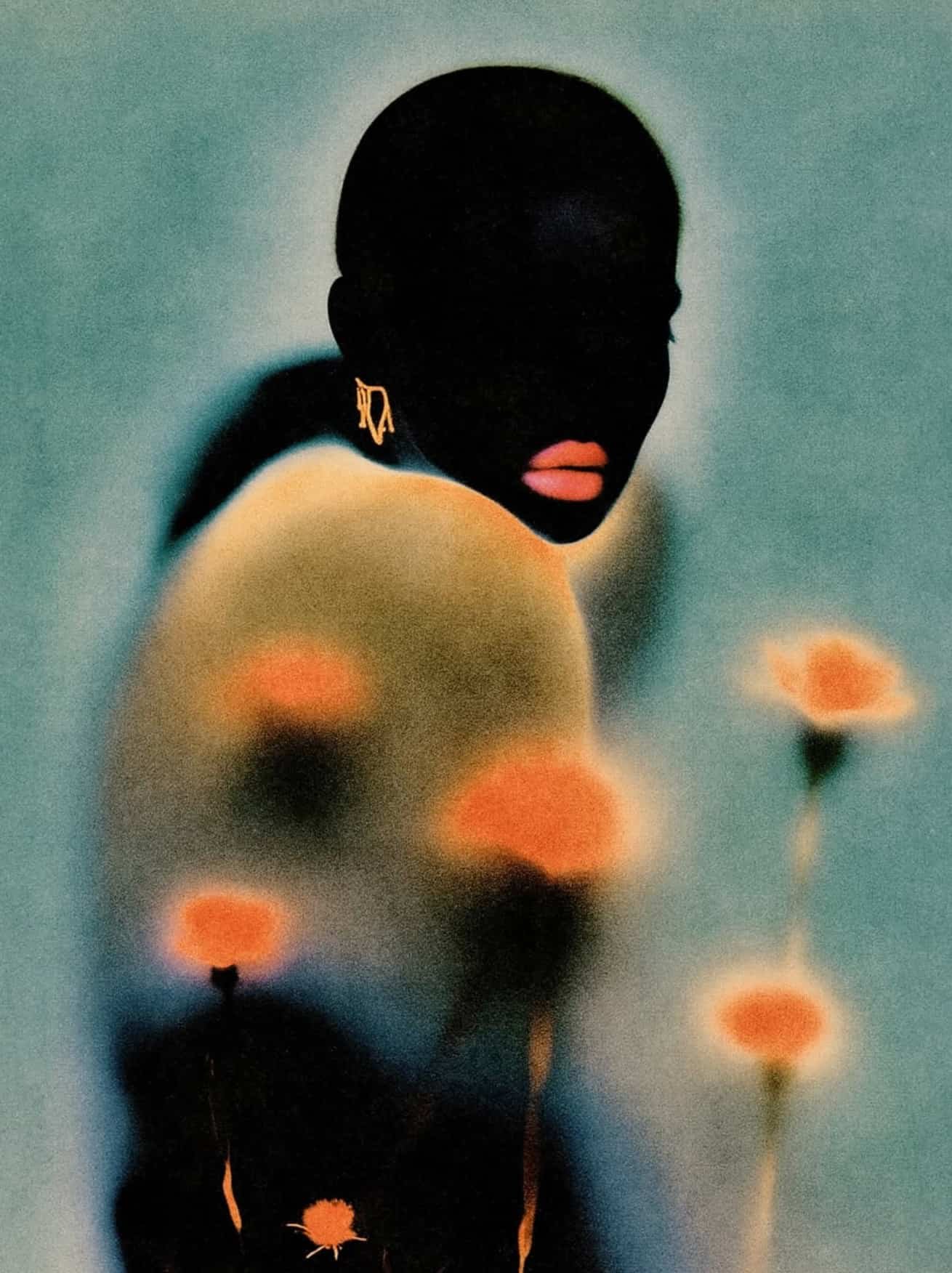
Amid a world flooded with flawless images, polished filters, and lifeless digital perfection, Serifa emerges like a beautiful mistake — a studio that reclaims imperfection as both rebellion and romance. Founded in Munich by Nastassja Abel and Christian Otto, this creative duo moves fluidly between art, technology, and emotion. Their work is a visual manifesto that celebrates accident as method and error as aesthetic.
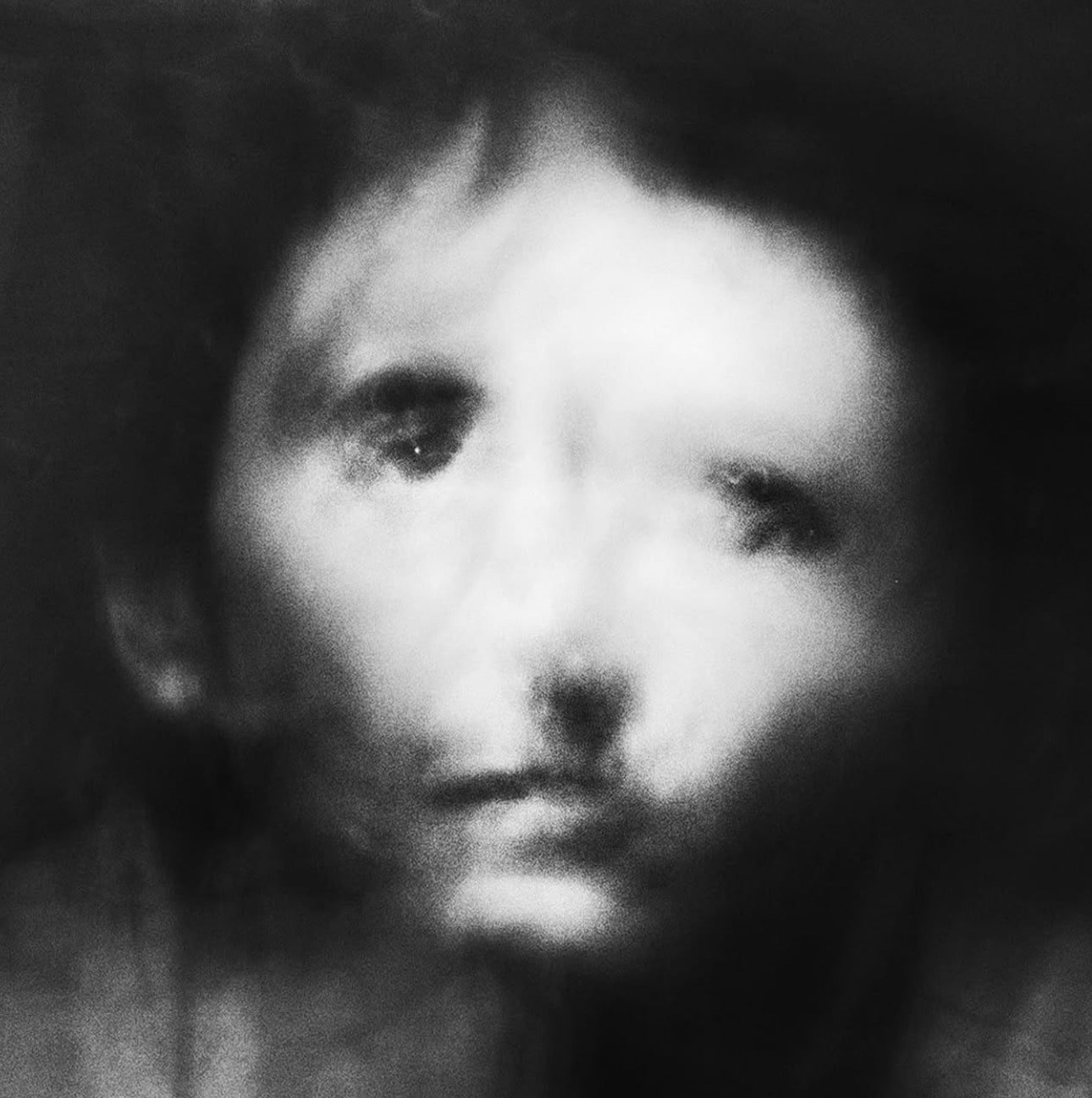
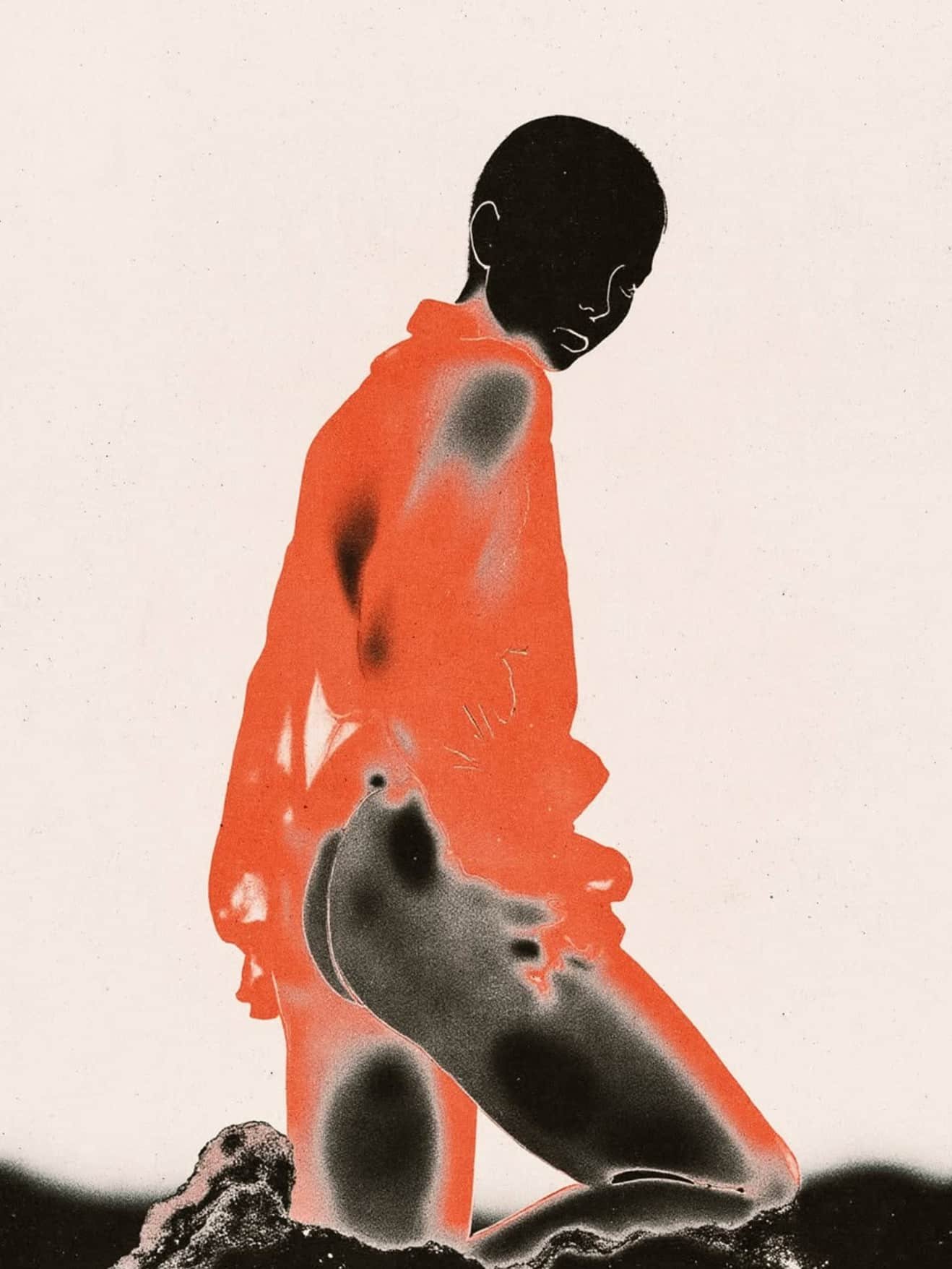
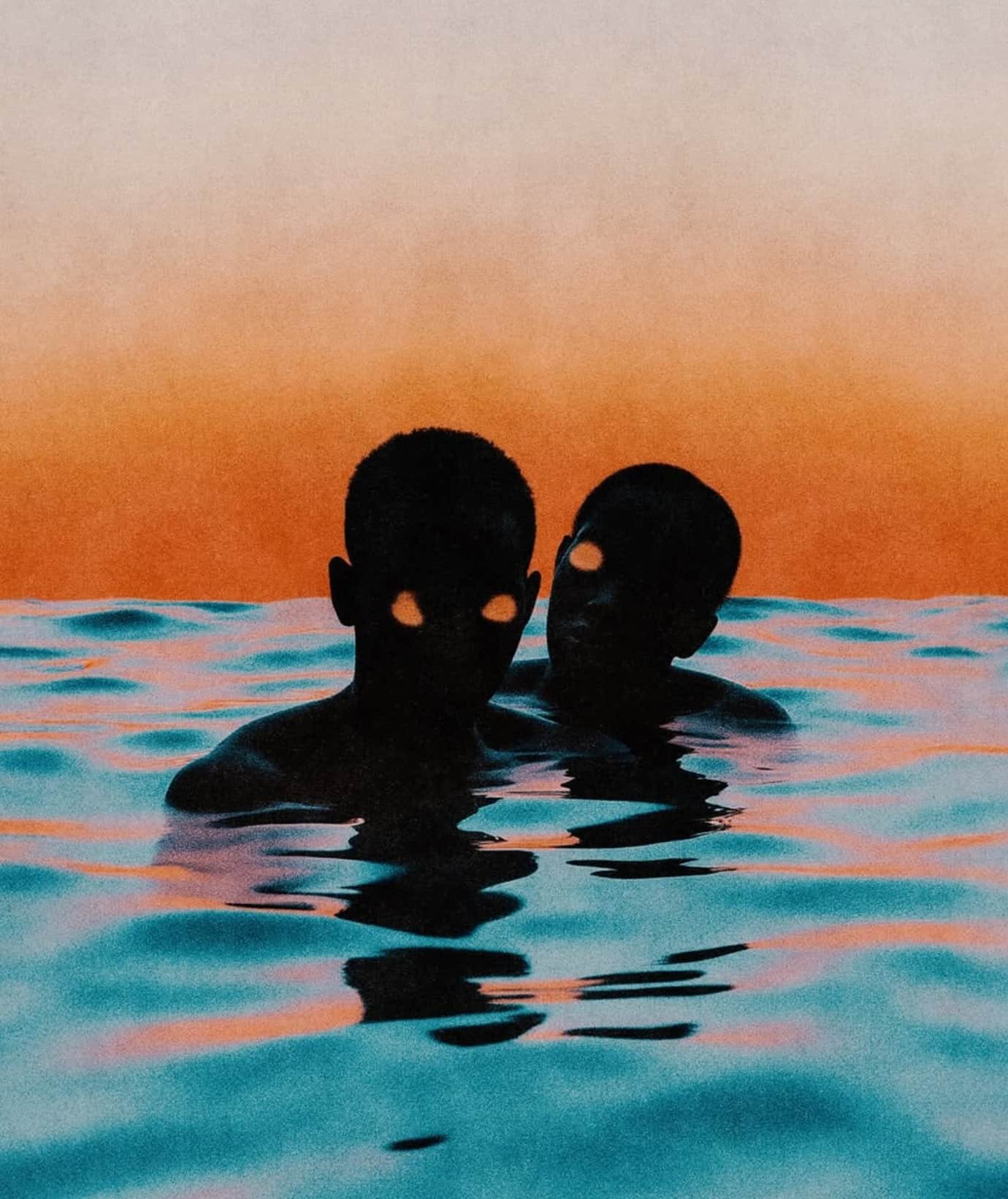
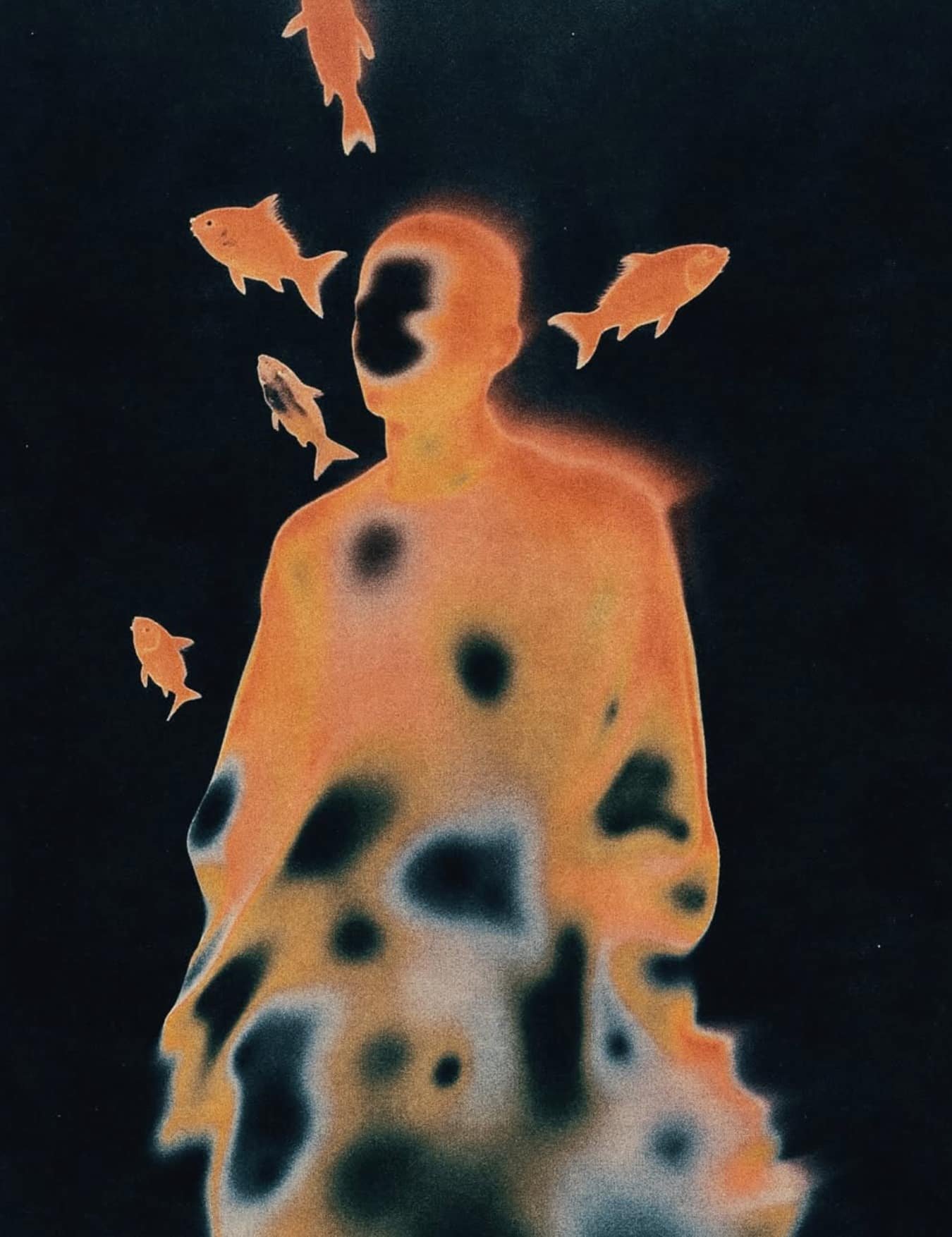
Serifa doesn’t aim to create beautiful images; it aims to create images that feel. Their art is a sensory collage where artificial intelligence becomes an instrument of intuition. In their hands, the algorithm doesn’t obey — it imagines. Glitches turn into brushstrokes, distortions into nuances, and each composition seems to emerge from that fragile intersection where the machine falters and the human soul intervenes.
Nastassja and Christian met through a shared fascination with design, digital art, and the emotional potential of technology. Their partnership was born from a simple, radical curiosity: what happens if we let the algorithm interpret beauty—without correcting it? Instead of cleaning the noise, Serifa transforms it into language. The imperfect becomes their signature; the unexpected, their most precious material.
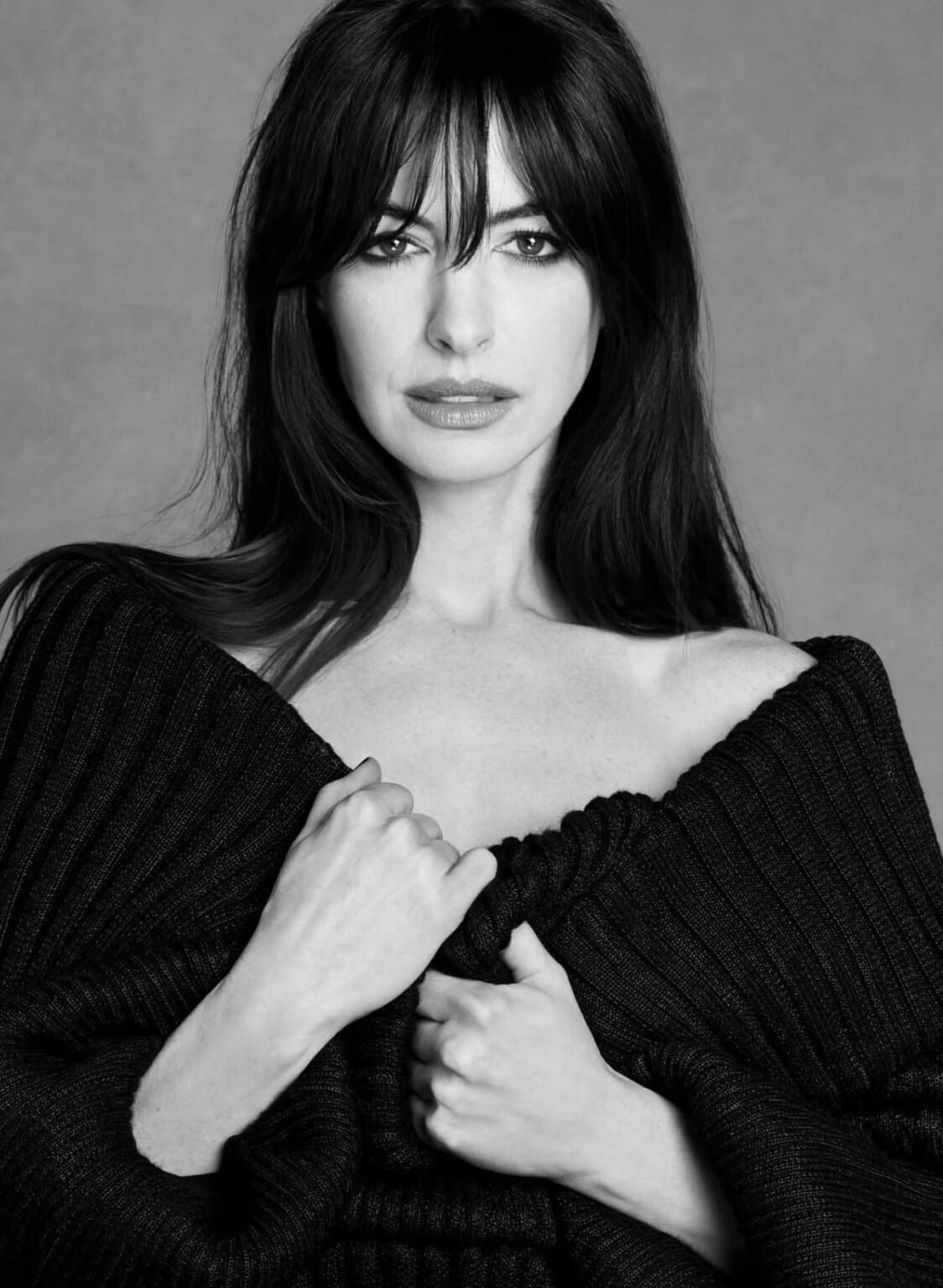
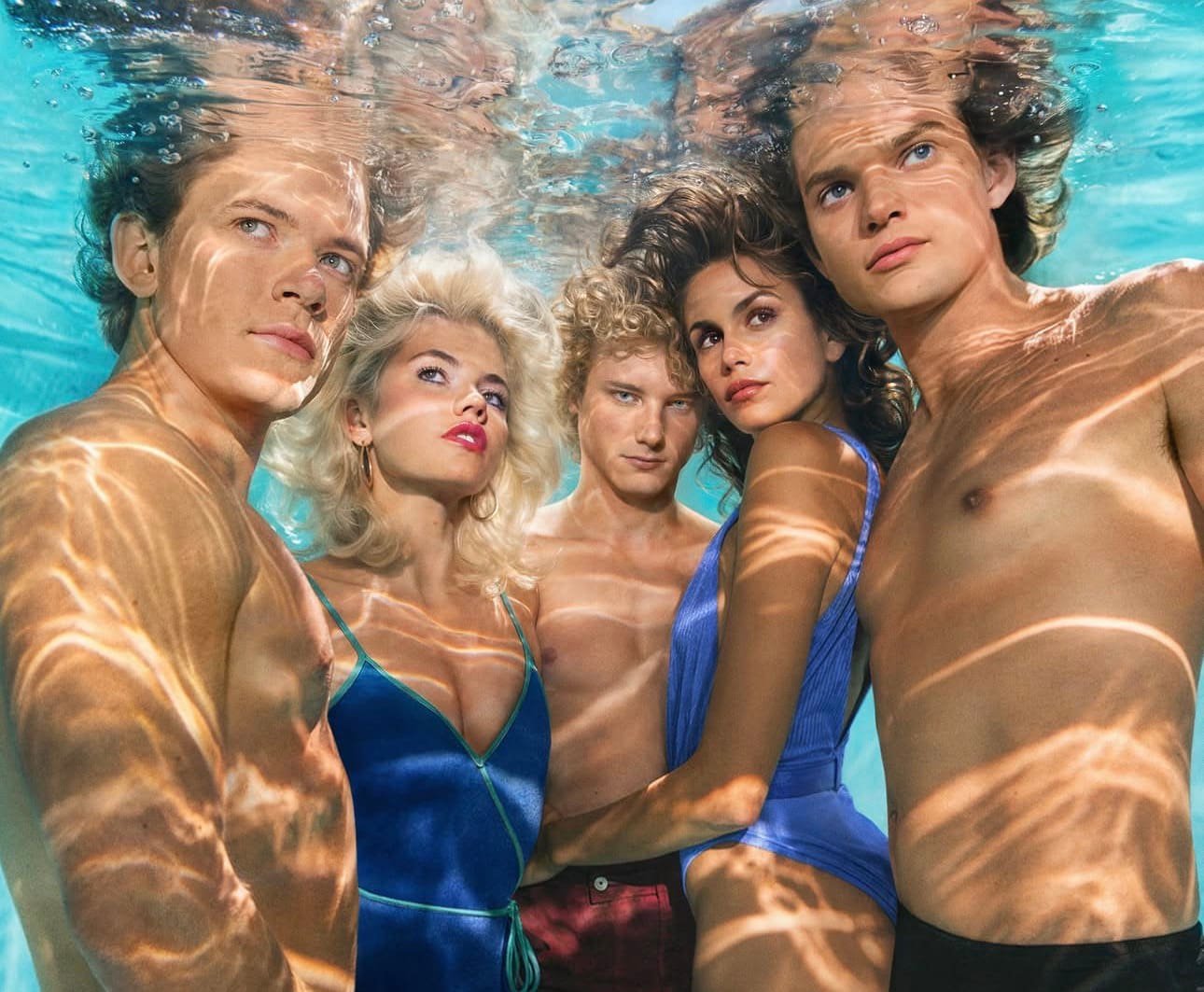
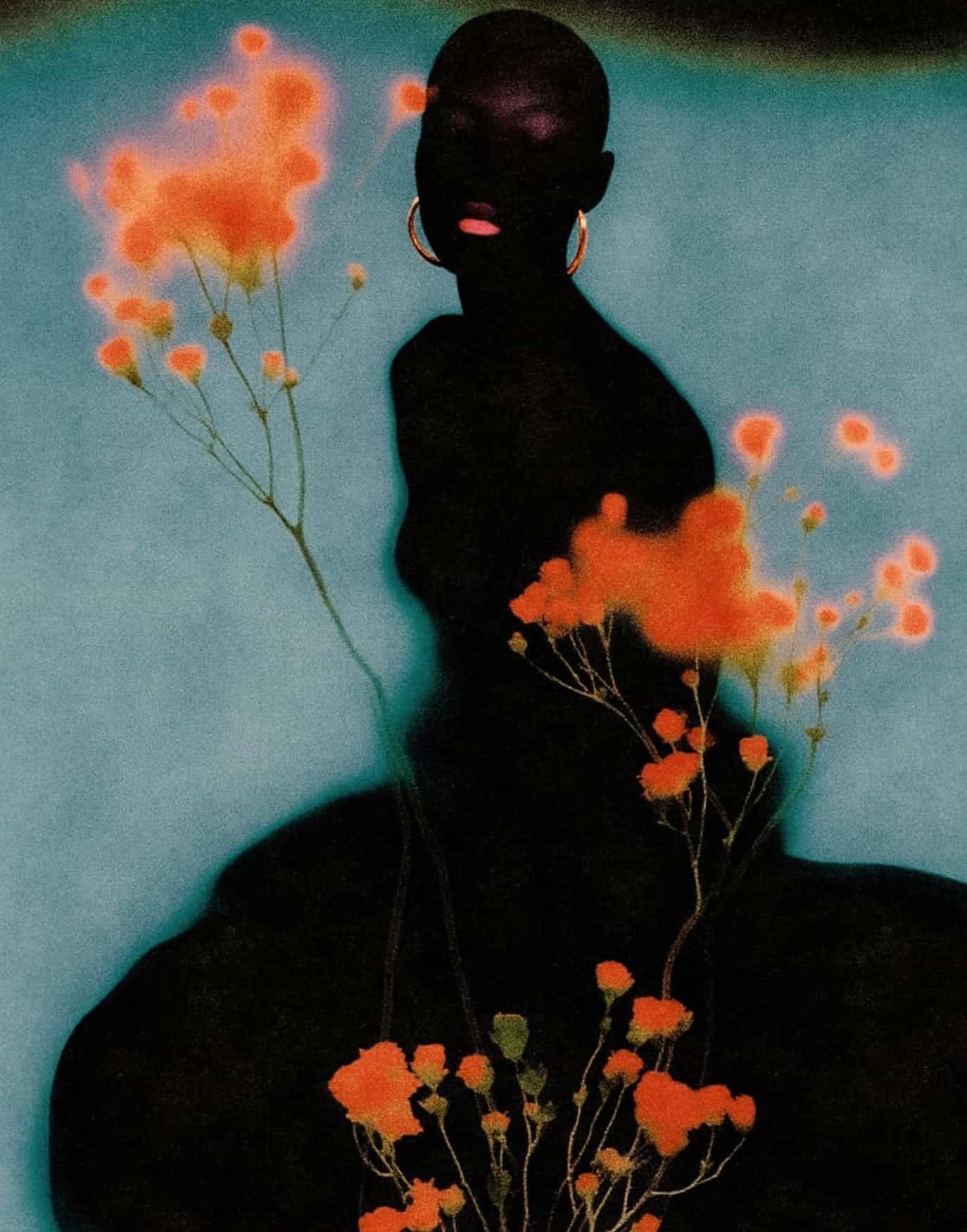
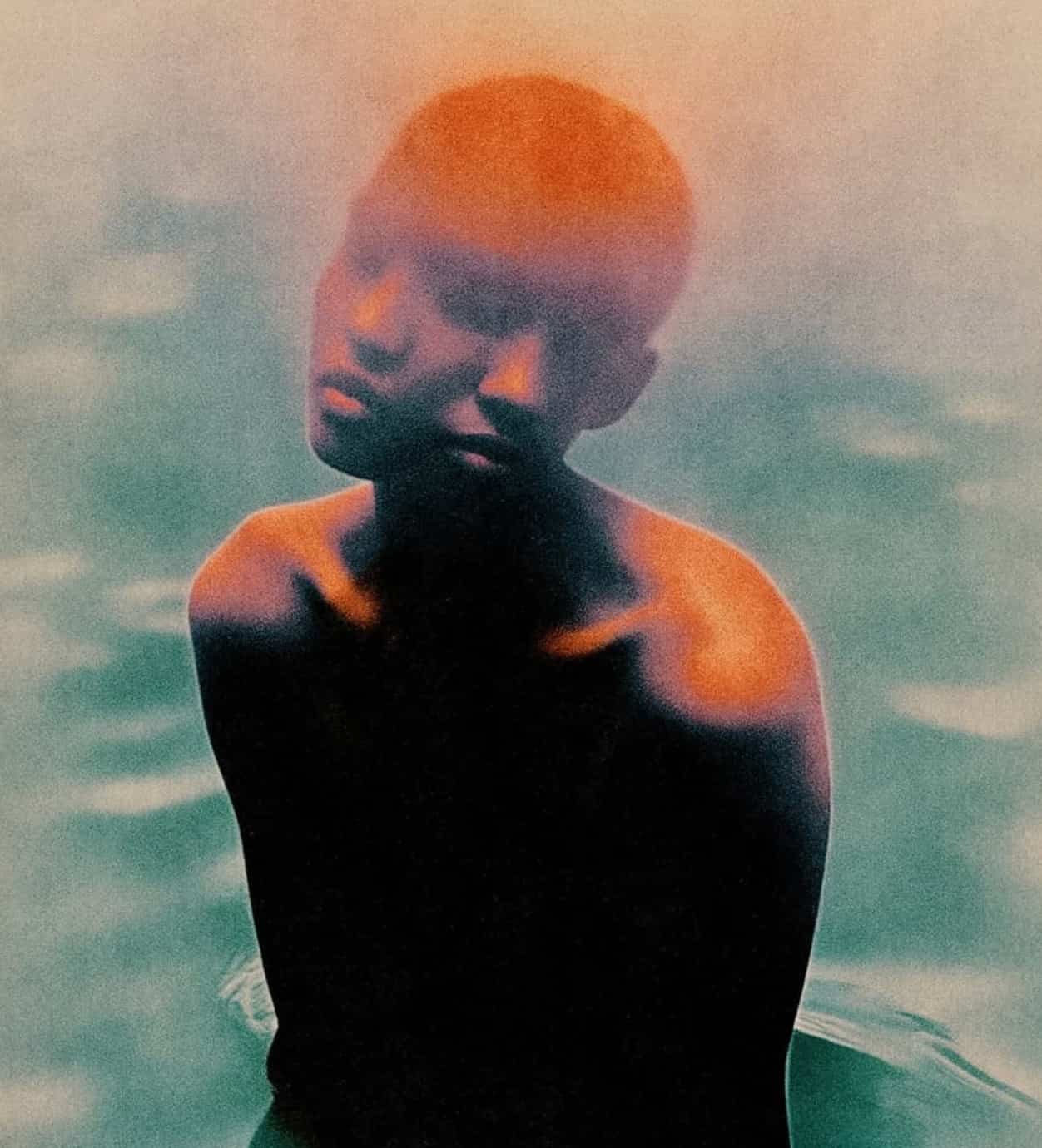
There’s a cinematic elegance to their visual world. Colors float, dissolve, and pulse between light and shadow as if they were alive. The landscapes they create — neither real nor imagined, but somewhere in between — could be the setting of a dream or the memory of a future. Fashion lingers throughout their work, not as product but as attitude. The figures inhabiting their universe don’t exist, yet they radiate humanity, sensuality, and vulnerability.
Serifa’s world is fluid, expansive. It knows no boundaries between art and design, between human and machine. For Nastassja and Christian, AI is neither an enemy nor a servant — it’s an invisible collaborator. What matters is not control, but dialogue. “Technology can be emotional,” they often say, and one look at their work proves it: there’s tenderness in the code’s mistakes, melancholy in the digital noise.
Each project by Serifa is a meditation on identity. What does it mean to be human in an age of simulation? What happens when beauty no longer depends on control, but on chance? In their work, art and machine don’t compete — they fuse, blur, and depend on one another. Their limited-edition prints feel like fragments of a new digital romanticism, where precision meets emotion and artifice becomes authenticity.
Their approach stands in stark contrast to mainstream digital aesthetics. While many creators chase hyperreal perfection, Serifa dismantles the illusion. They reveal the code behind the gloss, the fracture that gives texture. Instead of hiding the AI’s intervention, they expose it — make it part of the narrative. The result is a post-human aesthetic where the synthetic becomes soulful.
Their work recalls the fashion designers who turn flaws into details, excess into elegance. Serifa achieves the same through image: the elegance of the glitch, the drama of distortion. There’s a quiet spirituality in their process, a belief that beauty persists — even when it mutates.
Nastassja Abel and Christian Otto don’t preach the future; they sculpt it. Every image is a statement of principle. In a world obsessed with control, they defend chaos as the birthplace of meaning. Their art isn’t just digital — it’s emotional engineering.
Serifa represents the rebirth of feeling in the pixel age —
an invitation to rediscover imperfection,
and to realize that sometimes, error is the most honest form of beauty.
Photo: @serifa.com / @nastassjaabel / @christian_otto