Mark Manson doesn’t write self-help books — he writes existential manifestos disguised as conversation. His voice — a mix of irony, vulnerability, and sharp lucidity — changed how an entire generation views itself. Born in 1984 in Austin, Texas, Manson grew up in an era that preached success through positivity, ambition, and endless self-improvement. But from a young age, he saw the cracks in that system. And within those cracks, he began to build his own language.
His career didn’t start on a stage or in a publisher’s office. It started behind a computer screen, with a blog and a question: why, in a world full of abundance, do we still feel empty? In the early 2000s, when blogs were the playground of dreamers and outsiders, Manson began writing without pretension. He didn’t seek to motivate — he sought to understand. His essays about relationships, anxiety, and purpose spread online like wildfire. They were different: they didn’t promise happiness, they promised honesty.
Manson’s style broke the traditional self-help mold. Instead of mantras, he offered contradictions; instead of forced smiles, profanity loaded with truth. His message was simple: life hurts — and that’s okay. Living well isn’t about avoiding pain, but about choosing what pain is worth enduring. From that core belief came his breakout book, The Subtle Art of Not Giving a F*ck (2016).
The book became a cultural earthquake. It sold over 15 million copies and turned Manson into the unlikely philosopher of a generation. But it wasn’t optimism he preached — it was acceptance. Not everyone is special. Not everything can be fixed. Success isn’t guaranteed, and happiness isn’t permanent. By stripping self-help of its fake positivity, Manson gave readers something far more valuable: permission to be real.
His follow-up, Everything Is F*cked: A Book About Hope (2019), went deeper. If his first book taught readers to stop caring about the trivial, this one asked how to keep caring about anything at all in a broken world. It was darker, funnier, more philosophical. Hope, he wrote, isn’t blind faith — it’s the courage to confront despair and still move forward.
Success didn’t make Manson immune to the struggles he wrote about. Fame brought anxiety, doubt, and the very pressure he warned against. But instead of pretending to have the answers, he doubled down on authenticity. He shared his confusion, his insecurities, his process of learning. That honesty — raw, imperfect, human — became his true signature.
In 2021, Manson reached a new milestone: he co-wrote Will, the autobiography of Will Smith. The collaboration fused Smith’s cinematic storytelling with Manson’s introspective philosophy. The result was not just a celebrity memoir, but a profound study of ego, discipline, and the cost of greatness.
Behind his provocative tone, Manson is a modern philosopher. He weaves psychology, behavioral science, and existential thought into accessible language. His influences range from Nietzsche to the Stoics, from pop culture to cognitive therapy. The brilliance of his writing lies in turning complexity into clarity — phrases that sting at first, then heal with reflection.
His website, markmanson.net, has become a sanctuary for millions. There, he publishes essays, newsletters, and courses about purpose, relationships, and authenticity. He doesn’t claim to fix your life — he helps you face it. For Manson, the goal isn’t to erase pain but to learn from it; not to chase happiness, but to build meaning.
Today, Manson has evolved into a cultural voice as much as an author. In an age obsessed with perfection and self-promotion, he stands for the opposite: reflection, slowness, imperfection. His famous mantra — “You only have so many fcks to give. Choose them wisely.”* — has become shorthand for mindful living.
That spirit of conscious choice drives all his work. Beyond books, he has expanded into online courses, podcasts, and an engaged global community. His philosophy, often called “rational optimism,” celebrates life’s absurdity without denying its pain. He shows that embracing discomfort is the only path to genuine growth.
Manson’s influence stretches far beyond self-help. His unapologetic realism has inspired writers, filmmakers, designers, and digital creators to tell the truth instead of selling fantasies. His tone — part confessional, part rebel sermon — has become a cultural aesthetic in itself: the language of emotional realism for the 21st century.
Now in his forties, Manson lives between the U.S. and Europe, alongside his wife and a growing creative empire. He continues to question everything — success, fame, authenticity, love — with the same irreverent curiosity that first drove him to write. He knows happiness isn’t found in eliminating chaos but in learning to dance with it. Pain, when faced, becomes power. And writing, for him, remains an act of salvation — a way to make sense of the mess and help others do the same.
Mark Manson’s legacy isn’t about millions of copies sold. It’s about the millions who stopped pretending after reading him. He doesn’t teach people how to “change the world.” He teaches them to see it clearly, to love it despite its flaws, and to survive it without losing their soul.
In an industry addicted to empty promises, Manson chose truth. And that truth — raw, funny, and deeply human — made him one of the most influential thinkers of our time. His message is simple but radical: there is nothing more revolutionary than living with brutal honesty.
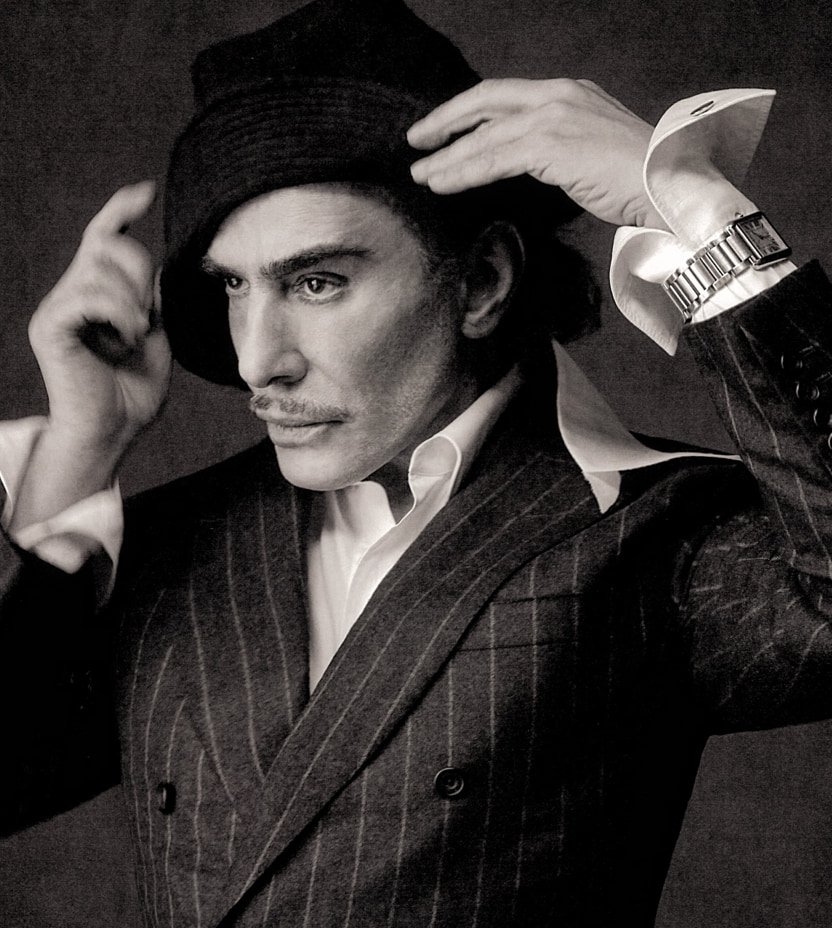
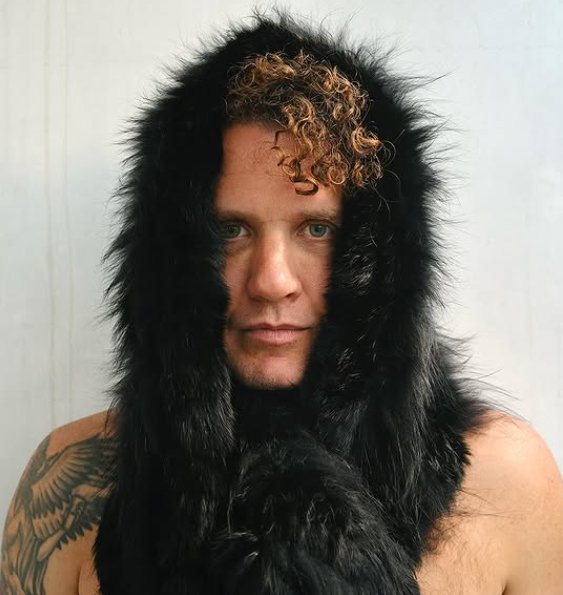
Credit: @the_chris_buck