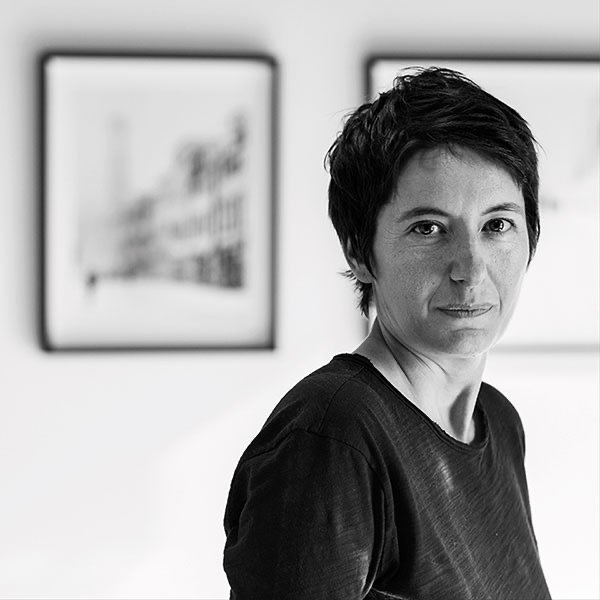
Where do you come from? Who is Alfonso Sánchez as a person and as an artist?
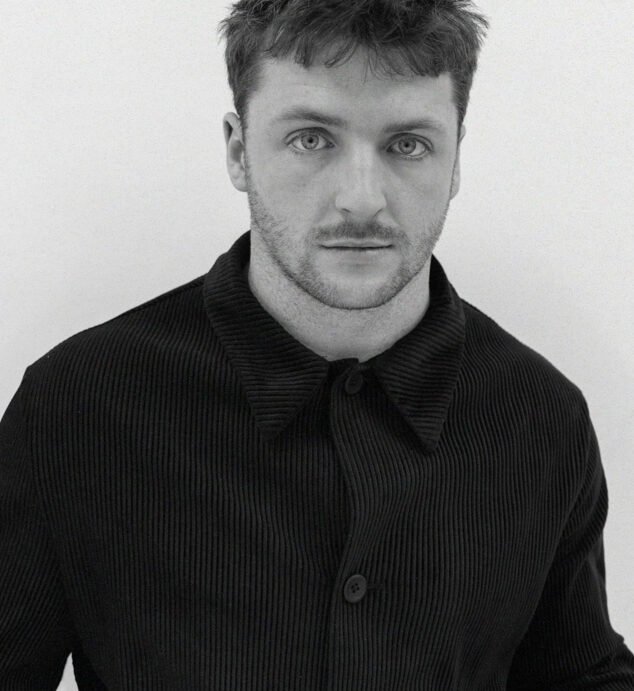
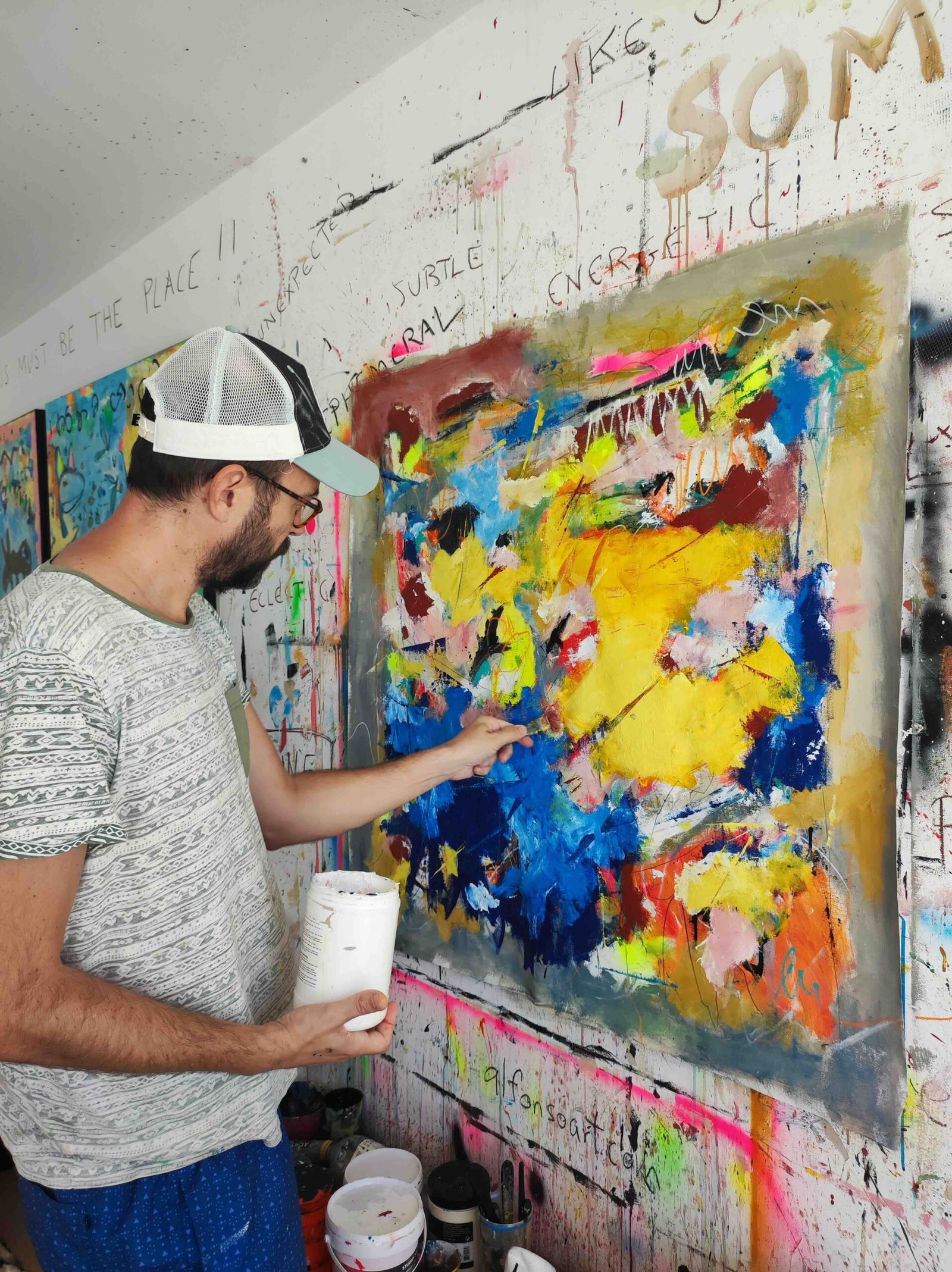
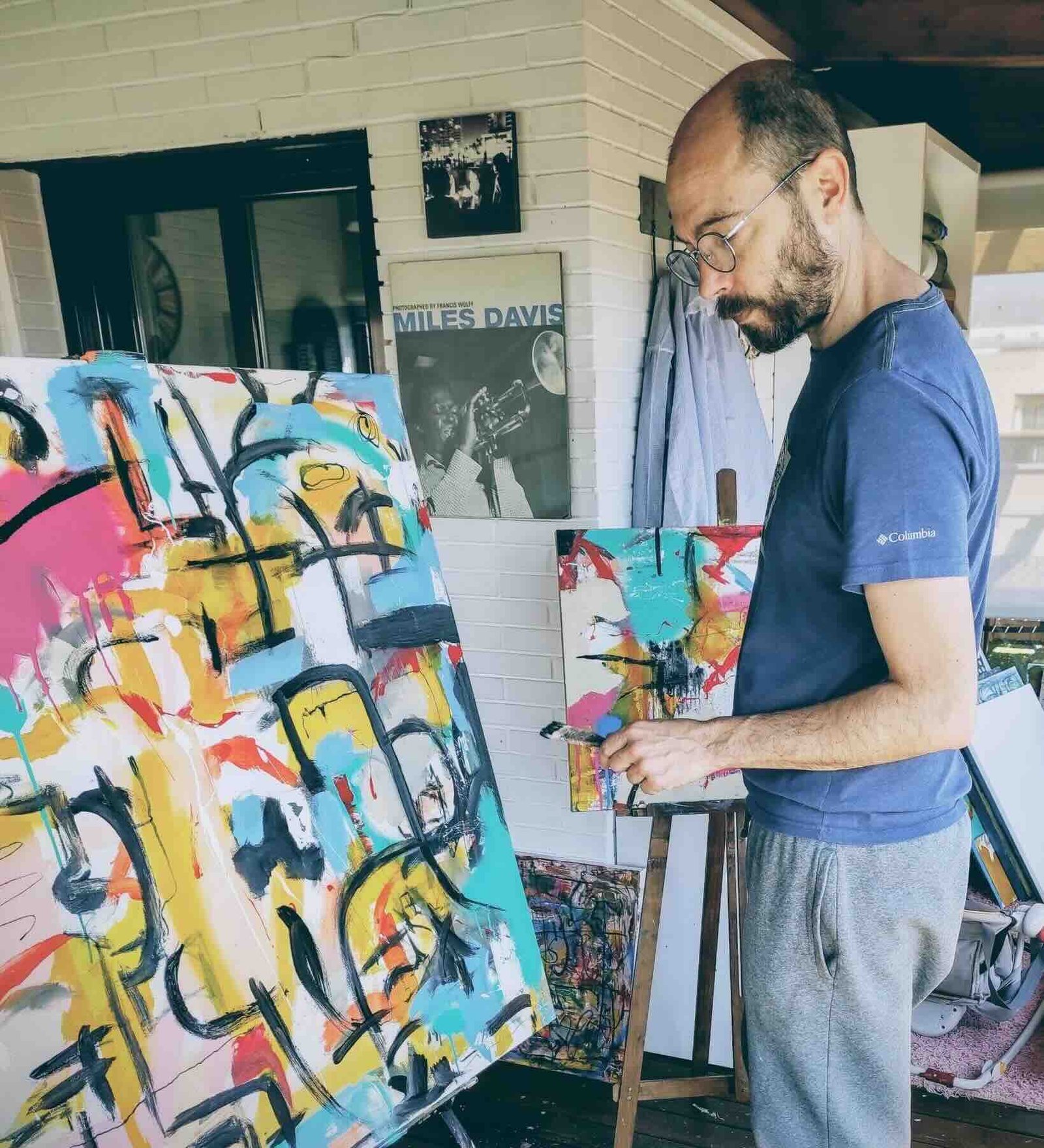
I come from doing many things—I have been a biologist, entrepreneur, business owner, athlete, and a painter hidden among all those things. I’m married to an exceptional woman and father of three amazing daughters. A few years ago I sold my company; my body was giving me clear signs that I needed a change—too much stress. I decided to gradually let the painter come forward. With no expectations, just painting, without really understanding what was happening on the canvas, just painting, and little by little I began to feel the profession as my own.
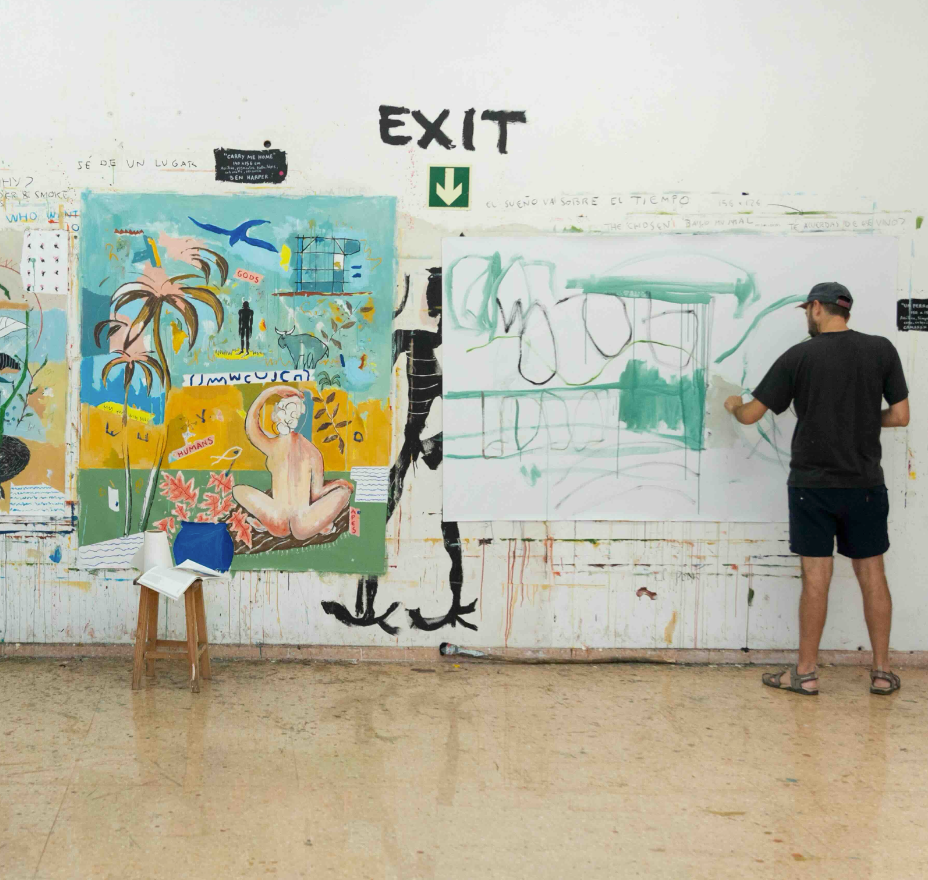
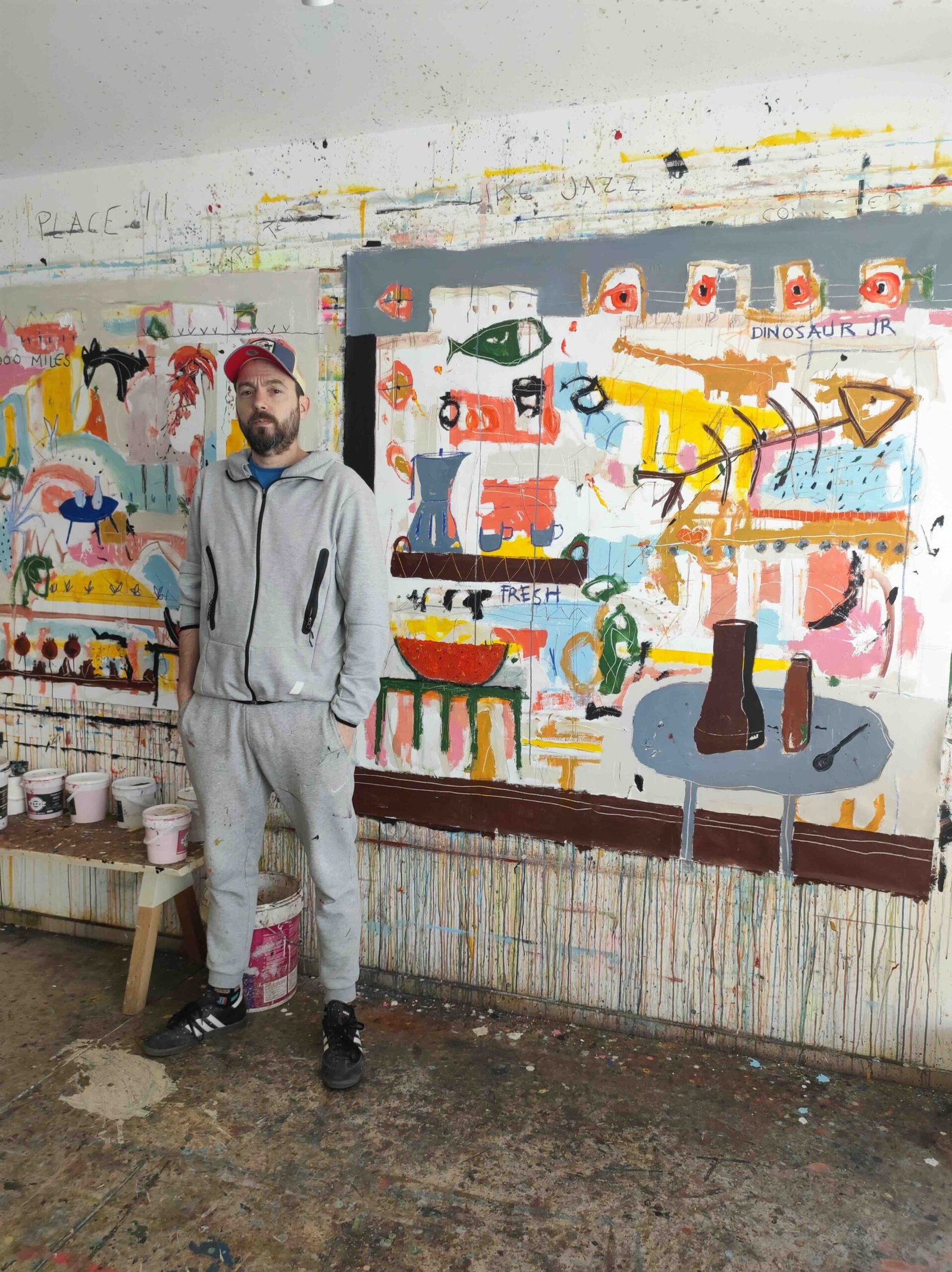
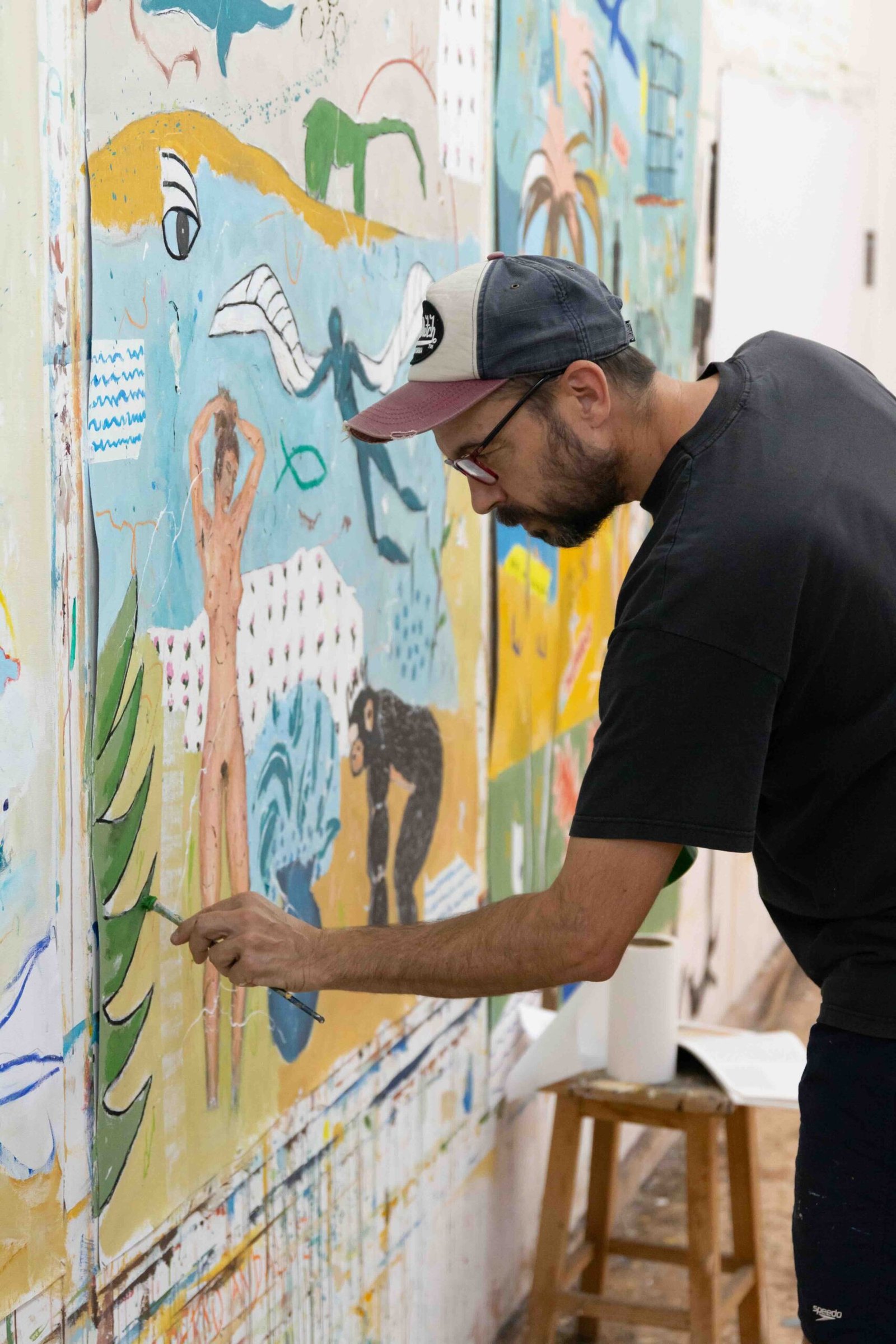
Today, I devote myself professionally to painting. I work in my studio many hours every day. In solitude, listening to music all the time, trying to discover a little bit of myself with every piece. I paint without thinking, trying to connect with the oldest part of my brain. We’re monkeys that evolved, aren’t we?
What artistic movement, period, or artist has influenced your work? Who or what was the inspiration that lifted your art?
Any painter who is true to themselves and paints what they feel has all my respect and admiration. The paintings that move me the most are the ones from 10–20 thousand years ago. The expressiveness of the Chauvet lionesses, the bison of Altamira, or the Orants of Plà de Petracos in Alicante fascinate me. It was precisely a visit to the Pla de Petracos valley and observing its paintings that marked me the most. I felt painting in a more spiritual way—as part of a ritual, an act of communication with the unknown.
Of course, I admire the work of many painters from the 20th century and today. The ones that have influenced me the most… Fortuny, Matisse, Schnabel, De Kooning, Basquiat, Chillida, Barceló…
Did you take any knowledge or qualities from your training as a biologist? If so, how would you say you apply them?
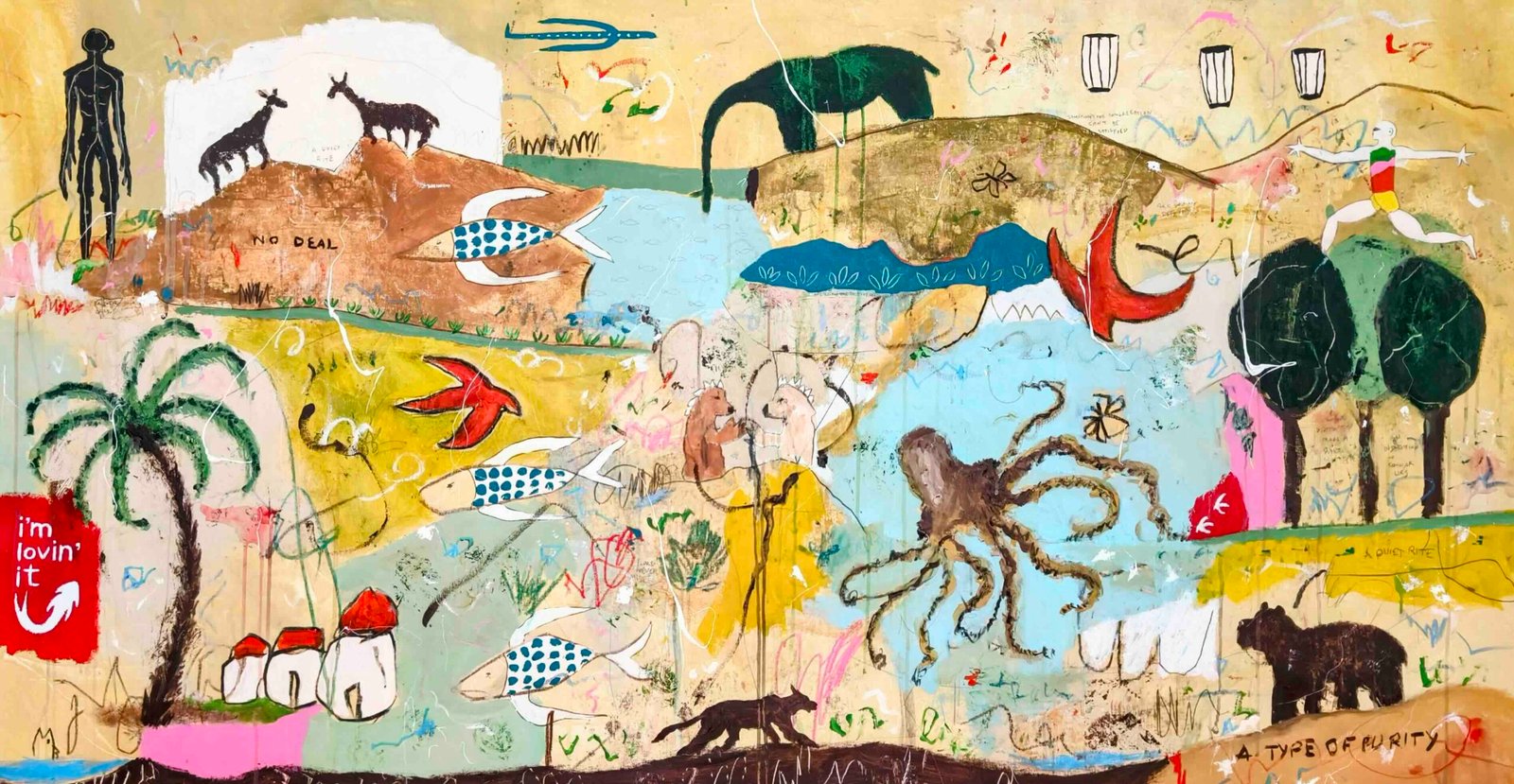
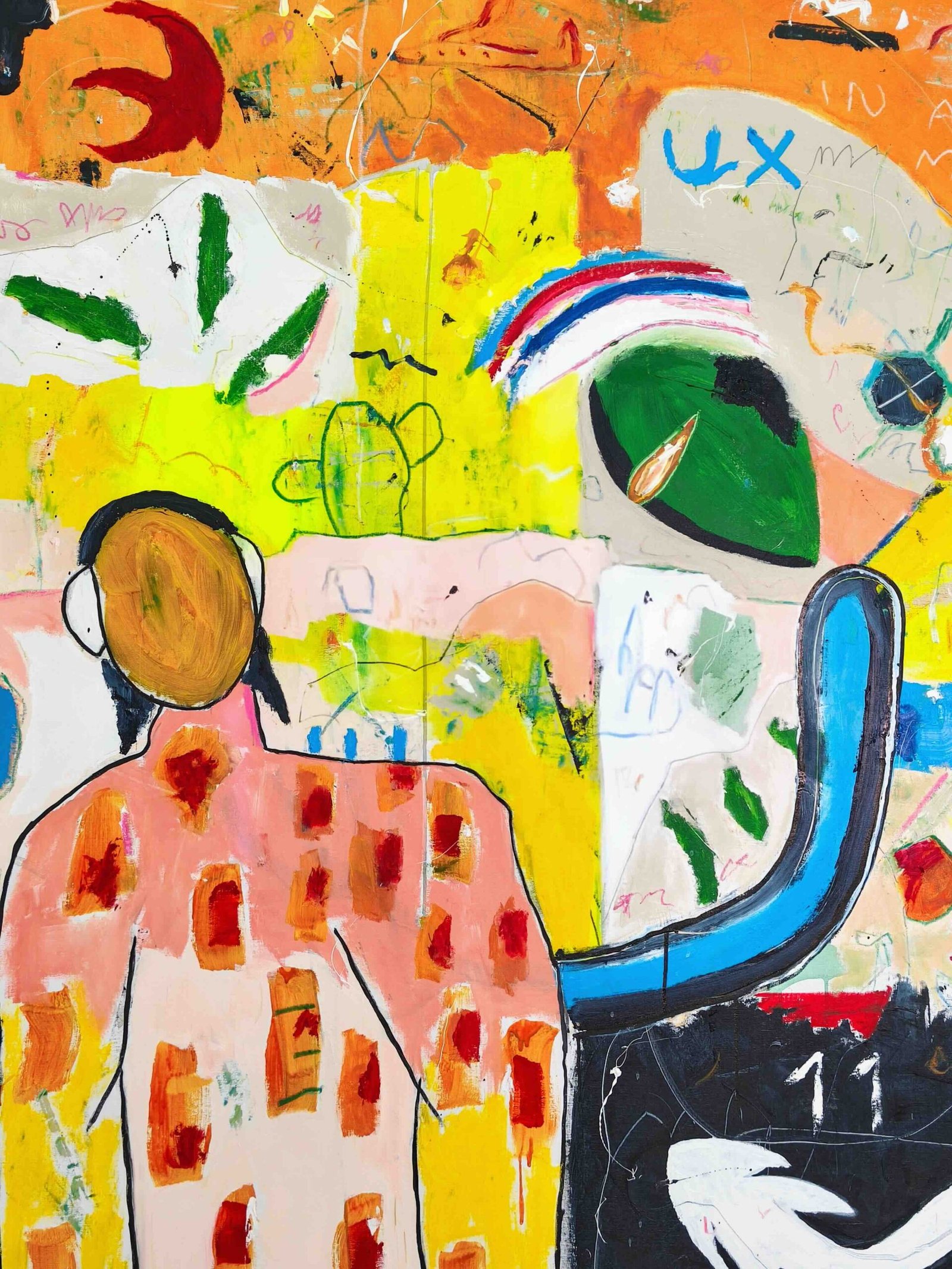
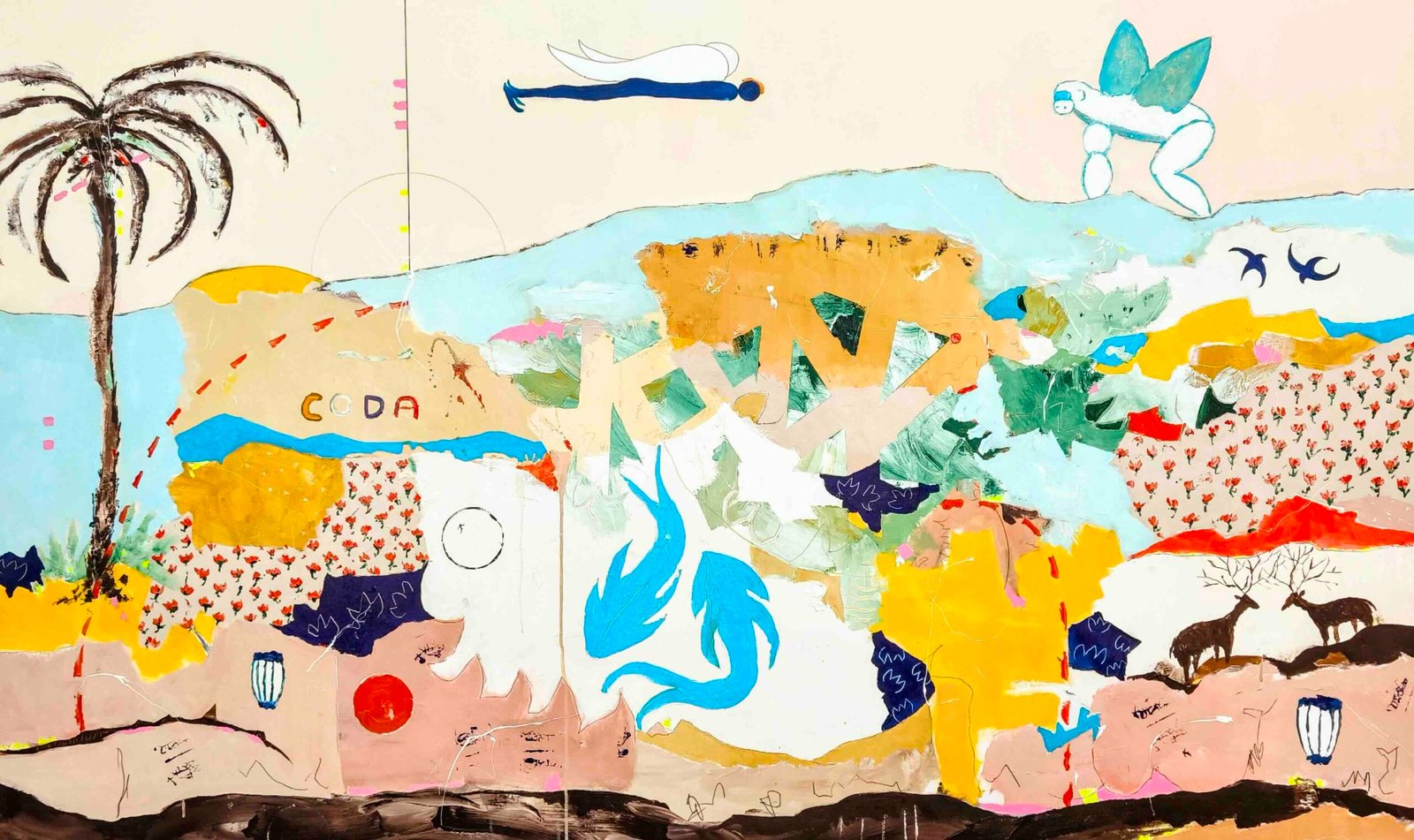
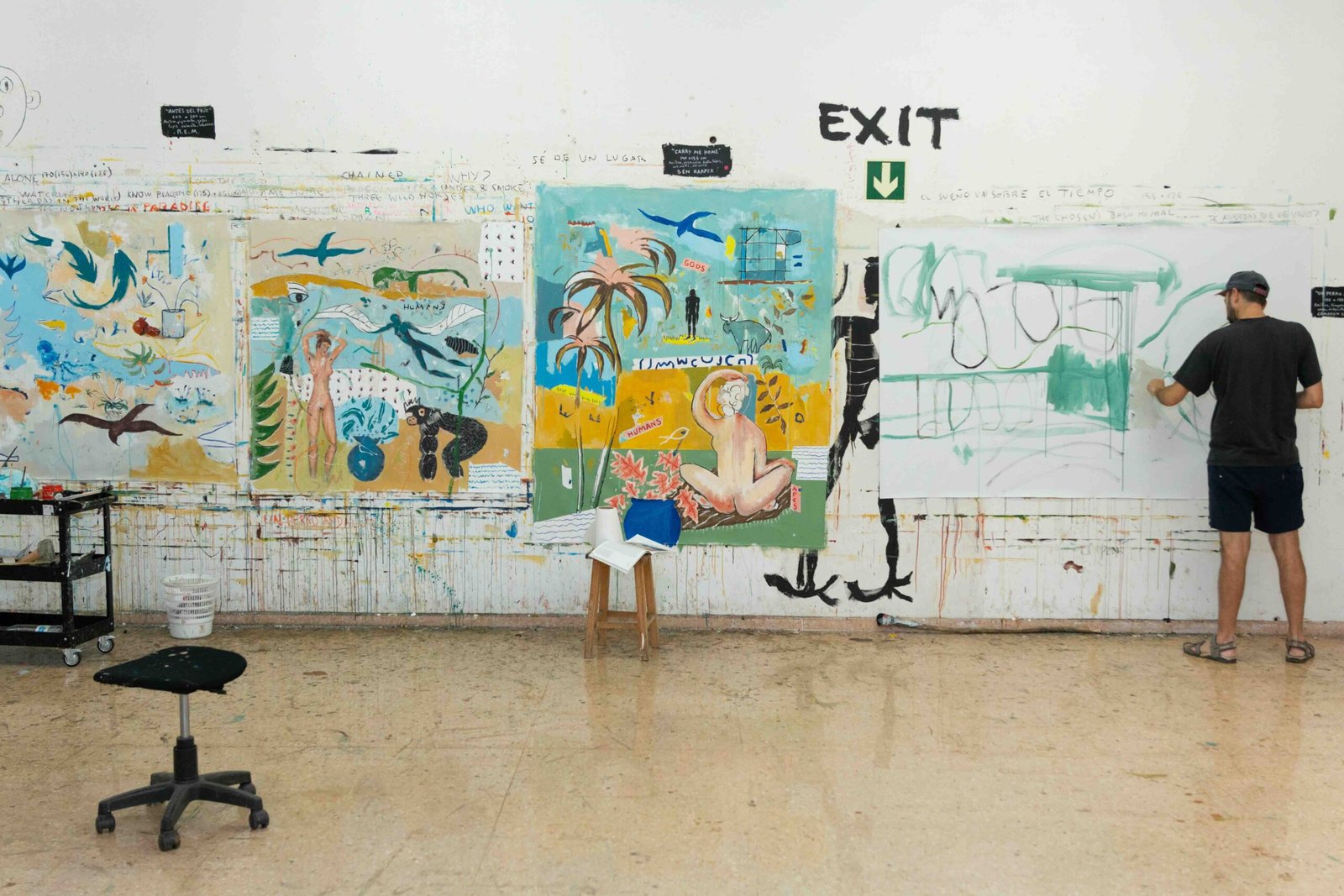
I consider myself a biologist who paints. My interest in the evolution of species—and especially that of the human species—defines my painting. The work I’ve been doing especially over the last year is part of a series I call: 1 question: 3 answers. The question is: What are we? The answers are: Monkeys, Humans, Gods. Each piece is a reflection on the human condition and our relationship with Nature. I’m a somewhat existentialist biologist.
Is the profession something you choose, or do you walk toward it when everything aligns?
In my case, as I’ve said, there is a moment when everything aligns. The decision to be a painter is perhaps the most conscious one I’ve made in my life. When I was younger, I did things almost by inertia, however now I’m convinced that my profession is that of painter and it will be so for the rest of my life.
We live in a world where being an artist is seen as secondary compared to what many consider a “real” profession in other cultures and generations. What other career path would you have followed if art had not been an option?
For me, few things are more real than painting. We’ve done it for many, many years—it is one of the most deeply human things. However, it’s true that socially, dedicating yourself to art seems almost frivolous. Honestly, there are lots of jobs considered very respectable that make no sense at all.
As I mentioned before, I’ve been an entrepreneur all my life and I’ve had companies related to the environment and sustainability. If I hadn’t taken the artistic path, I would still be creating business projects and helping others do it (I still work with startups to help them make good decisions).
What part of your childhood reveals itself in your art? What childhood memory inspires your work? What emotional structures take shape in your creations today?
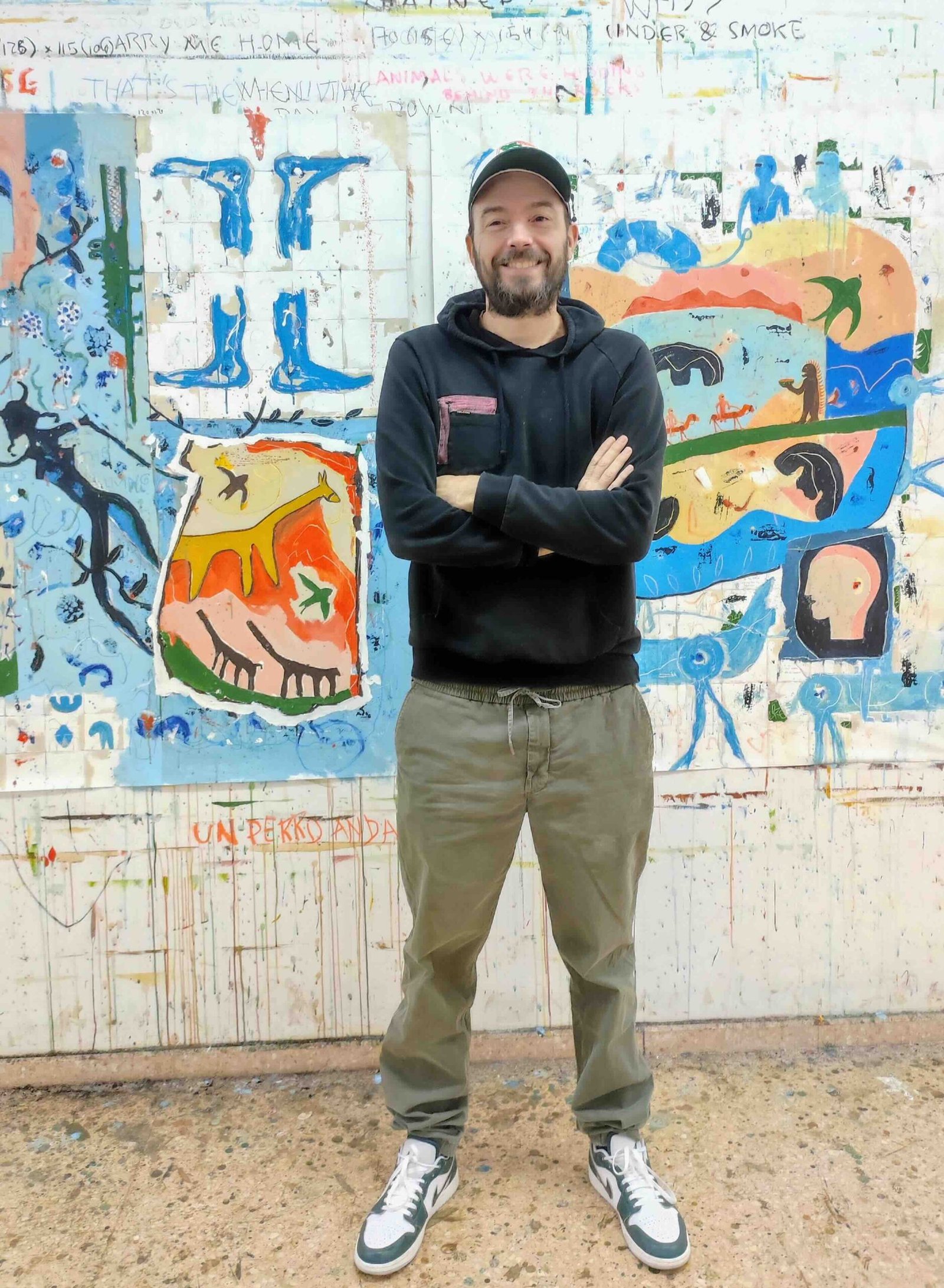
There is nothing more free than a child’s painting. We all paint as children until we decide we no longer know how. In my painting I seek that freedom—that primitive expressionism we carry within. A painting that needs no justification, but that unintentionally tells stories about who we are.
Is there any “silence” in your life—a pause, a loss, a change—that has become a creative engine for you? What emerges from a creative or existential crisis?
There are silences, there are losses, there are wounds. Everyone fights a hard battle in life. I don’t try to search for explanations or dive into the darkness, but we are the product of our experience, and everything leaves its mark.
What would you say makes your art special? Why do you paint? Who do you paint for?
There is nothing special about my art, except that it is mine. I paint because I have chosen to express myself this way, because each blank canvas is a mystery and each work is a journey that always brings unexpected things, and I am there to do something with them. I paint for myself and for anyone who connects with my works.
What is the latest thing you’ve learned about yourself through your art that you wouldn’t have discovered otherwise?
Painting makes me more tolerant, more willing to understand life from different perspectives. Things are never clear, the world is not just one way. We don’t know. I am traveling toward absolute ignorance.
What are the next steps in your career, or a goal you would like to achieve? What value do you bring to the world?
I move without direction. My next step is my next work. My painting will take me wherever it needs to take me, and I will be willing to give myself options and explore whatever comes.
What is the world lacking, and what does it have too much of?
Nothing. Nature, people, things—they are what they are, with their virtues and their miseries.
Tell us a movie, a book, and a plan.
Movie: 25th Hour by Spike Lee.
Book: Stoner by John Williams.
Plan: An afternoon with family, watching movies with popcorn in front of the fireplace.