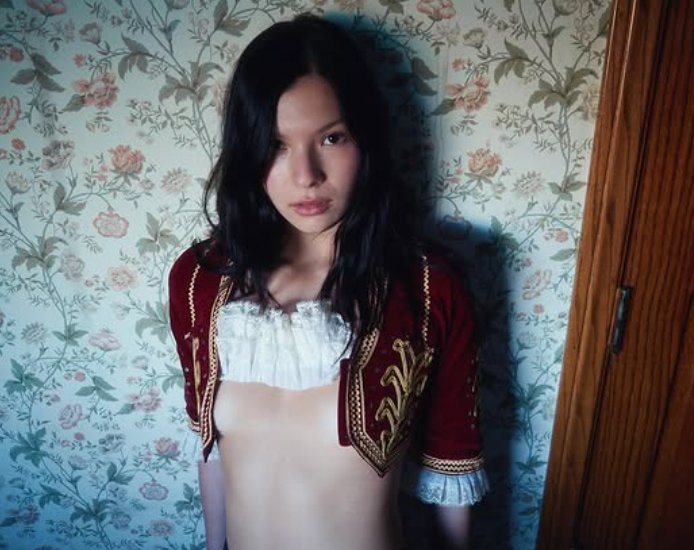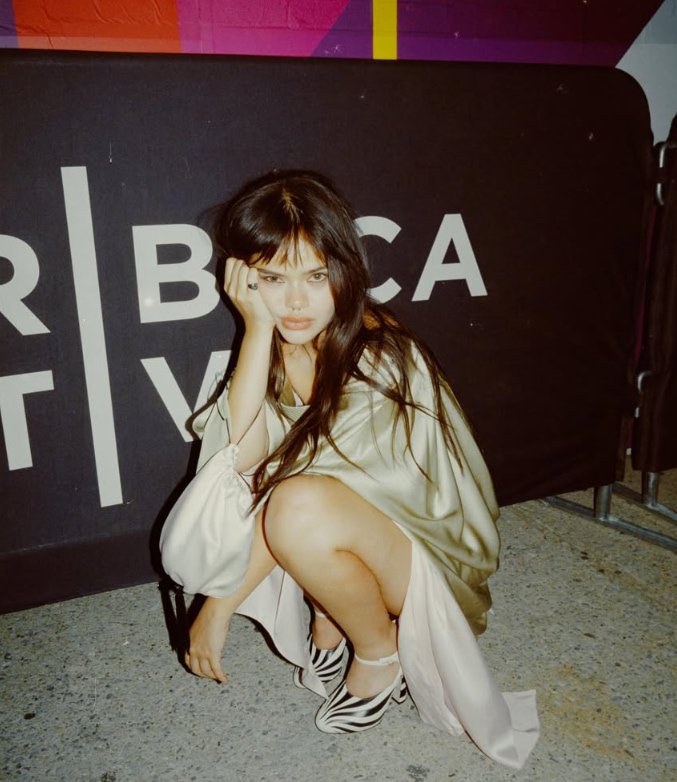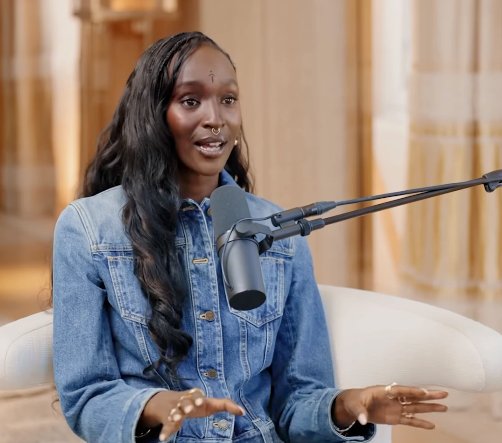
In an era dominated by speed, noise, and overexposure, stopping becomes an act of power. Contemporary culture demands constant presence, uninterrupted production, and seamless identity. Against this mandate, there are gestures that feel almost mythological: disappearing, embracing silence, and returning transformed. This is where Lous and the Yakuza stands—not as a character, but as a creative force in motion.
This conversation is not about success measured in numbers, impact, or algorithms. It speaks to something deeper: the reconstruction of the self. Lous emerges after a period of intentional retreat, a necessary interval to dismantle expectations, deactivate autopilot, and remember why art exists in the first place—not as a product, but as an inner language, a form of survival.
Her story is that of an artist who has learned that constant visibility can become a cage. In a system that confuses speed with relevance, silence turns into a spiritual strategy. This is not escape, but preparation. A space where the voice sharpens and the gesture gains precision. Returning no longer means occupying the center, but inhabiting it with meaning.
Music remains the axis, but it is no longer the only territory. Cinema enters as a natural extension of her universe, adding body, gaze, and pause. Image ceases to be an accessory and becomes narrative. Every frame, every movement, every silence speaks. Art expands and becomes three-dimensional: sound, motion, presence.
Her upcoming album is shaping up as an intimate manifesto. There is no urgency, no concessions—only intention. A body of work that refuses repetition and external validation in favor of telling the truth of a lived moment. Here, maturity is not restraint; it is clarity. Creation stops responding to external pressure and becomes a deliberate, almost ritual act.
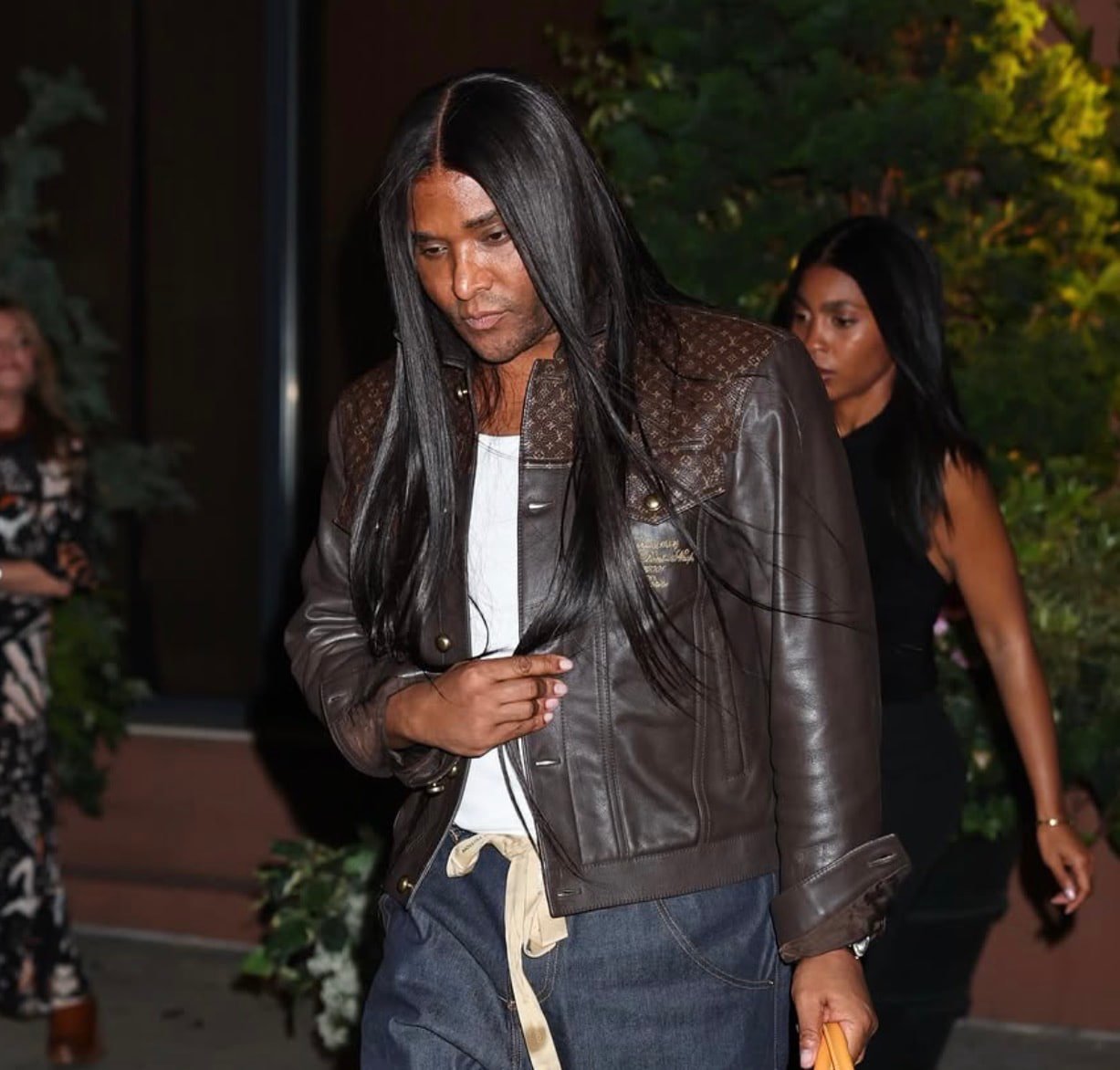
Fashion moves through this universe as a symbolic code rather than a spectacle. Dressing becomes storytelling, inscribing the body into a larger narrative. Every aesthetic choice functions as a sign: identity, memory, resistance. Image does not disguise—it reveals. Silhouette does not hide—it declares. Style becomes a political and emotional language.
What elevates this conversation to an almost epic dimension is its radical honesty. There is no pose, no artifice. There is an artist who accepts doubt as a motor and fragility as creative strength. In a world demanding instant answers, allowing oneself not to know becomes a revolutionary gesture.
This is not a celebration of novelty, but of true transformation. Not noise, but depth. Not the race, but the journey. This story is not only about an artist—it is about a different way of inhabiting creation: with time, awareness, and courage.
Because sometimes, the most rebellious act is not returning stronger, but returning truer.