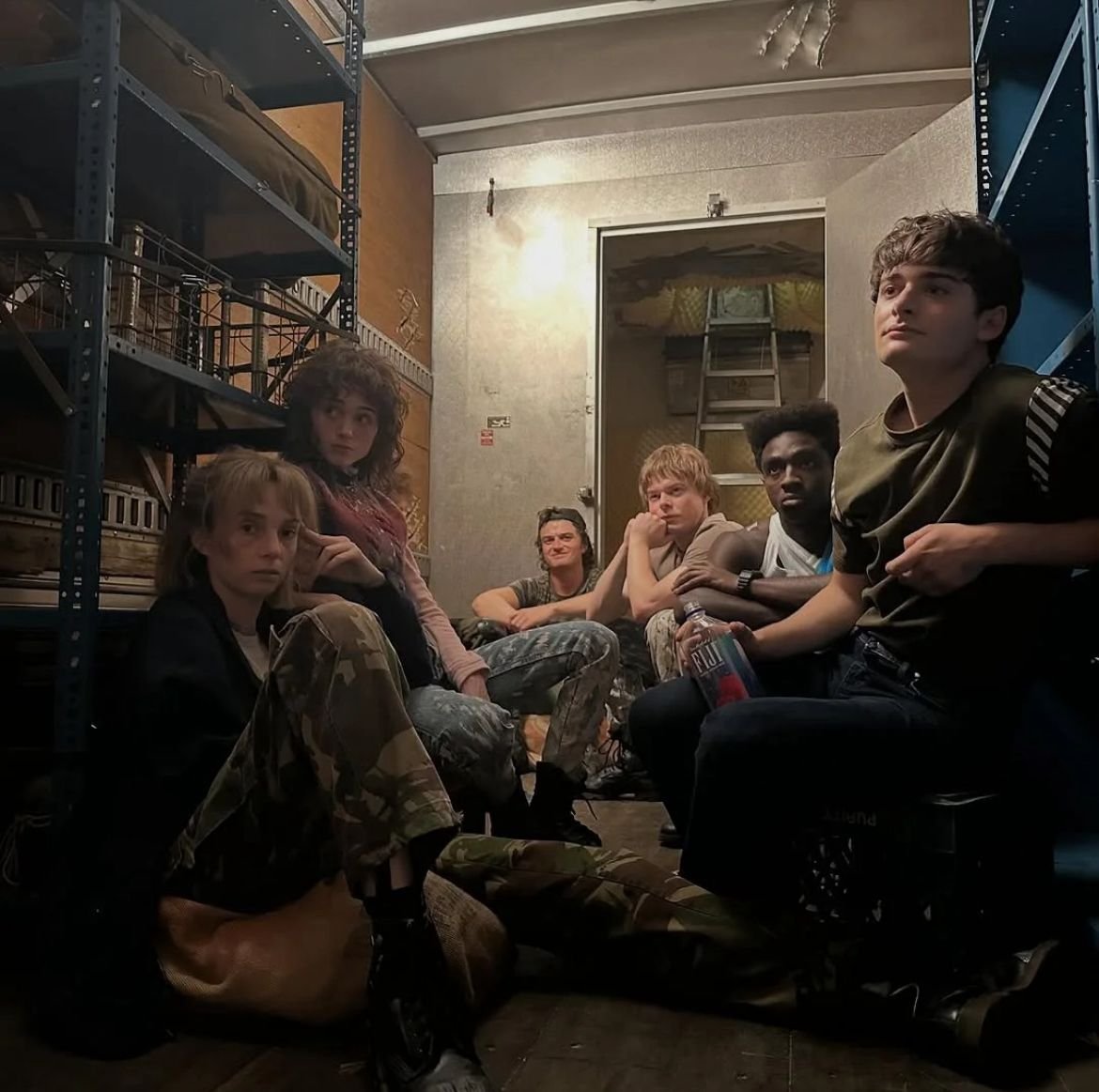
The second volume of Stranger Things’ fifth and final season has landed with a strangely divided crowd. Some fans celebrate the generosity extended to characters repeatedly pushed to the brink, while others feel cheated by a universe where survival seems guaranteed, even in apocalyptic conditions.
Responding to criticism about the absence of meaningful deaths, Matt Duffer has been clear: this is not Game of Thrones. In an interview with The Hollywood Reporter, he stressed that the goal was never to shock or punish viewers. No Red Wedding awaits Hawkins. Instead, the brothers aim for an ending that feels inevitable rather than cruel, surprising without being traumatic.
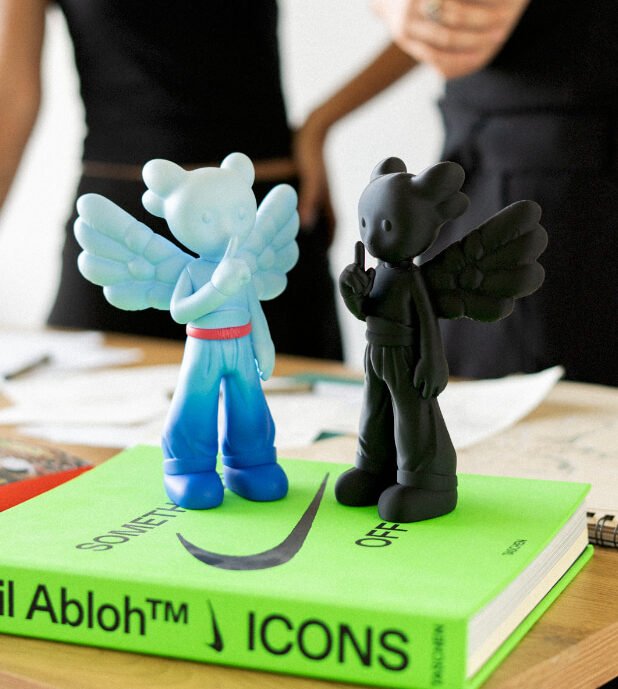
That philosophy, however, has not quieted speculation. When asked obliquely about characters inclined to sacrifice themselves for a greater good, Matt Duffer hesitated, notably invoking Steve Harrington without being prompted. A recent Tonight Show gag, featuring figurines and Steve’s dramatic tumble, only fueled the anxiety. In a show built on affection, the threat of losing a beloved figure hits harder than any monster reveal.
Ross Duffer, for his part, has emphasized confidence in the conclusion, particularly the final scene, imagined years ago and used as a compass while mapping the season. It is a comforting idea: a series ending guided by intention rather than reaction.
Yet intention does not always shield execution. The second volume has struggled critically, culminating in episode seven’s historically low IMDb rating of 5.9, the worst in the show’s run. Beyond headlines, the score reflects a deeper malaise. Once praised for balancing eighties nostalgia, character intimacy, and spectacle, Stranger Things now shows symptoms familiar to aging juggernauts.
Episode seven crystallizes the complaints circulating online: bloated runtimes, repetitive dialogue, and a narrative that circles its own mythology without advancing decisively. Controversial choices and isolated scenes matter less than a pervasive sense of fatigue. Characters speak in similar rhythms, conflicts stretch thin, and the series seems increasingly enamored with its own legend.
None of this erases Stranger Things’ cultural impact or its role as Netflix’s defining flagship. But it does puncture the aura of invincibility. As the finale approaches, the show stands as a reminder that even global phenomena must choose between excess and restraint.
Fashion and culture thrive on reinvention, and television is no different. Hawkins taught viewers how style, music, and feeling intertwine. If the ending honors that spirit, acceptance may follow, even without carnage, proving restraint can still look radical, timely, and brave within contemporary independent media conversations today globally.