Since its 2020 debut, Bridgerton has functioned as both escapist fantasy and cultural barometer, wrapping contemporary conversations about class, gender, and power. Season three, released in two parts in 2024, rewarded patient viewers with Penelope Featherington’s long-awaited romantic ascension, a confident aesthetic glow-up, and a reminder of the show’s talent for excess.
That satisfaction was tempered by absence. Bridgerton thrives on anticipation, yet its multi-year gaps risk cooling even devoted ardor. Netflix appears aware. Season four’s accelerated production schedule, begun in September 2024 and completed by May 2025, signals a recalibration, one designed to keep the ton talking rather than merely waiting.
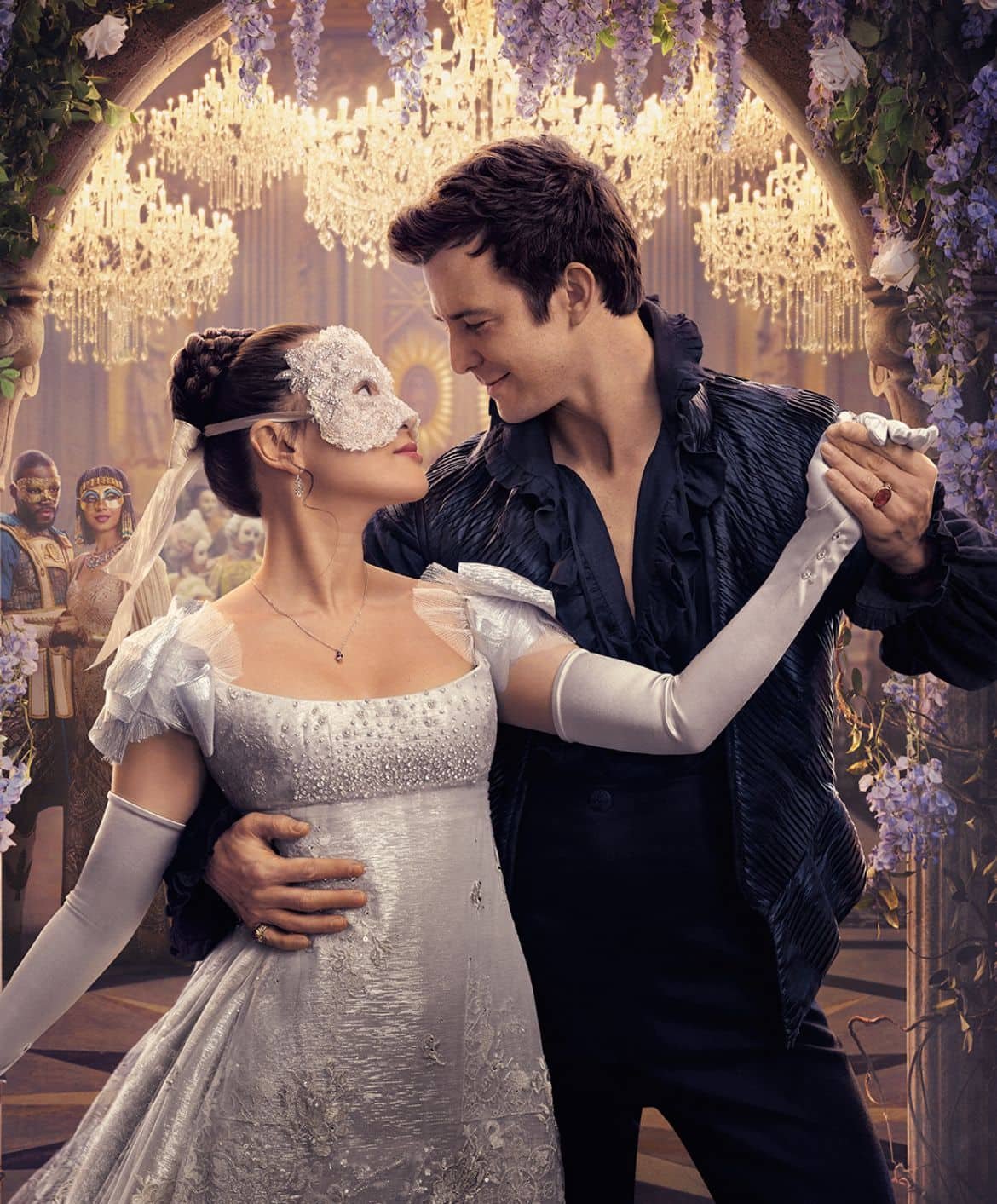
Narratively, the series also recenters itself. After playful deviations from Julia Quinn’s novel order, the adaptation now returns to Benedict Bridgerton, the second-eldest brother and perennial observer. His story, drawn from An Offer From a Gentleman, leans unapologetically into fairy tale: a masquerade, a woman in silver, a vanished glove, and desire shaped by secrecy and class.
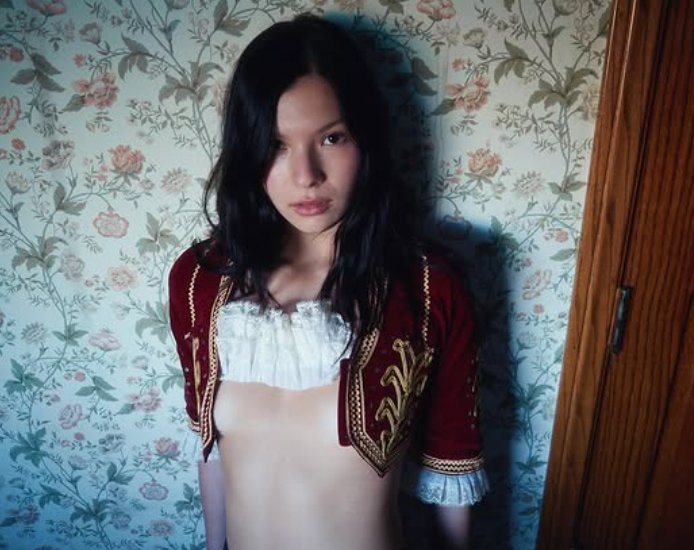
Yet Bridgerton’s pleasures are never purely nostalgic. Casting Yerin Ha as Sophie Becket marks the franchise’s first East Asian lead, extending the show’s ongoing project of inclusive revisionism. Representation arrives naturally keeping the main essence of the show intact.
The released teaser embraces this balance. Benedict, long coded as the most restless Bridgerton, is reframed as a “notorious gentleman” finally unsettled by genuine connection. Dance lessons become flirtation, flirtation becomes risk, and the masquerade becomes a metaphor for the selves the characters hide to survive rigid hierarchies.
There is comfort in knowing Bridgerton has a map. Shonda Rhimes has spoken openly about long-term planning, seeding siblings and storylines seasons in advance. That confidence allows the show to luxuriate: in gowns, in glances, and in the slow burn of serialized desire. When season four arrives in early 2026, split deliberately across weeks, it will continue a romance and also test whether Bridgerton can remain both event television and evolving cultural artifact, inviting audiences once more to rise to the occasion.
Splitting the premiere into two February and January drops reinforces the platform’s confidence in weekly discourse, speculation, and style analysis. Bridgerton now exists as much online as onscreen, where costumes become memes and romances become debates, sustaining an ecosystem of fandom that transforms period drama into participatory pop culture rather than passive viewing. This strategy underscores Netflix’s event-making machinery and the show’s evolving relationship with time and anticipation cycles.