In a musical landscape increasingly domesticated by algorithms and repetitive formulas, Kojaque emerges as a necessary anomaly. The Dublin artist—rapper, filmmaker, illustrator, visual storyteller—returns with Antihistamine, a single that does not seek to numb the listener, but to jolt them awake.
The track arrives as the first glimpse of new music following his album Phantom of the Afters, which reached number one in Ireland and confirmed something that had long been clear to those paying attention: Kojaque has no interest in fitting in. He would rather unsettle.
And Antihistamine does so with surgical precision.
The song moves forward like an electric charge of rapid, razor-sharp verses, where dark humor coexists with perfectly articulated rage. In a matter of seconds, Kojaque shifts from almost comic irony to a direct critique of the world we inhabit. There are no detours. No metaphors to soften the blow.
The track lives somewhere between contemporary paranoia, information overload, and the feeling that something in the global system is profoundly broken. But what is interesting is not only what he says, but how he says it.
Kojaque commands the rhythm of language with a precision that feels closer to film editing than to conventional rap. Every line works like an edit cut: quick, unexpected, incisive. The production matches that pulse with a nervous, almost claustrophobic energy that perfectly reflects the emotional climate of the present.
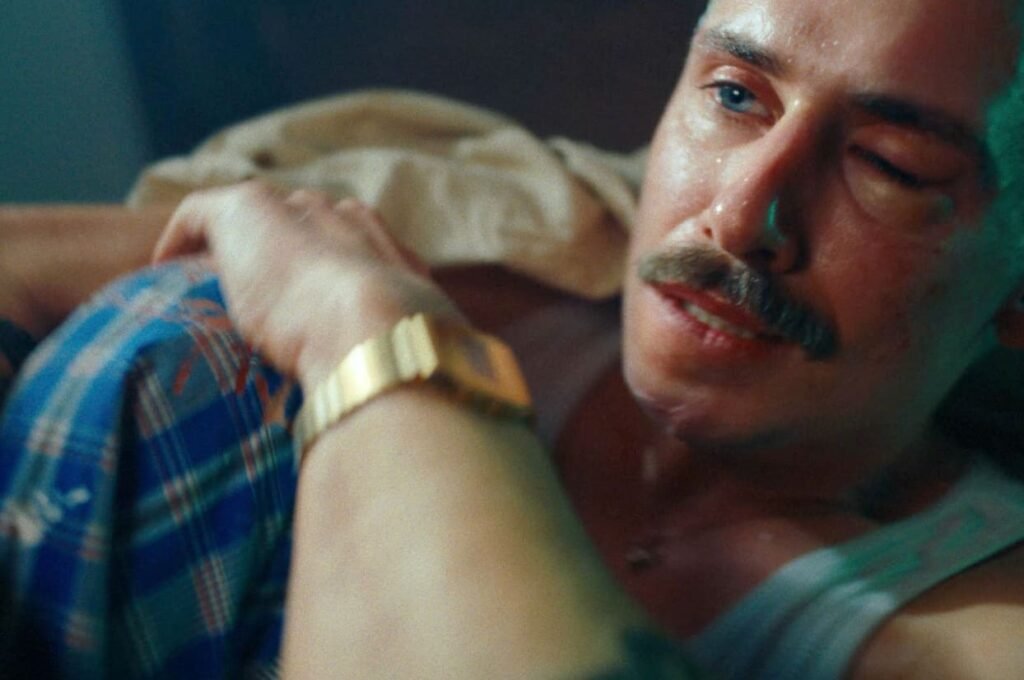
Because Antihistamine is not just a political song. It is a song about the confusion of living now.
Its verses reference performative spirituality, the hypocrisy of power-driven rhetoric, and the dehumanization of refugees in a world that seems to have lost any sense of collective empathy. There are no sermons. Only sharp observation and an intelligence that refuses to simplify things.
Kojaque sums it up with brutal honesty: the last few years have turned him into something like a conspiracy theorist wearing a tinfoil hat. But behind that ironic line lies a feeling many people share: the world seems increasingly dystopian.
And in the face of that reality, his response is clear.
Music as resistance.
Joy as an act of rebellion.
This is not a new stance for him. Since his mixtape Deli Daydreams—the first of its kind to be nominated for the prestigious Choice Music Prize—Kojaque has built a creative universe where cinematic storytelling coexists with incisive social critique. His debut Town’s Dead explored themes such as gentrification, masculinity, and mental health with the narrative ambition of an urban novel.
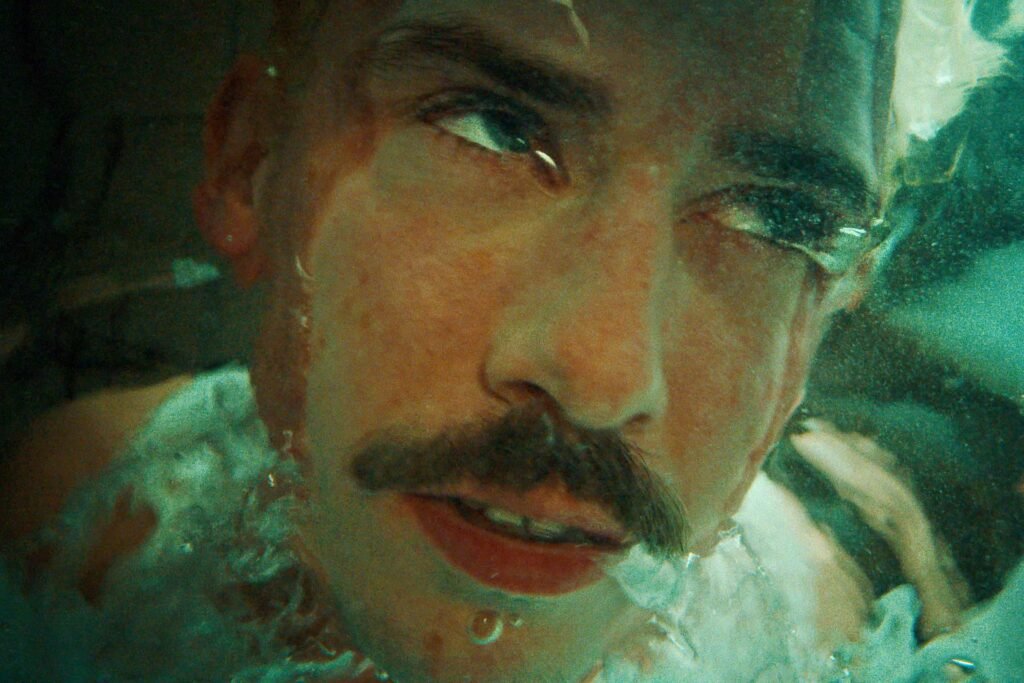
But his work has never been limited to music. As a visual director, his career has grown in parallel: award-winning videos, collaborations with other artists, and more recently a new chapter within the production company Pulse Films, further cementing his reputation as a multidisciplinary creator.
Perhaps that blend of disciplines explains why each of his releases feels more like a complete cultural piece than a simple single.
At a time when much of the industry seems obsessed with speed and virality, Kojaque operates on another frequency. Slower. More reflective. More dangerous.
Antihistamine does not claim to offer answers.
But it does make one thing clear: amid the global noise, there are still artists capable of transforming the confusion of the present into art that is sharp, uncomfortable, and absolutely necessary.