The 31st Critics Choice Awards marked the official opening of the 2026 awards season, unfolding on January 4 at the Barker Hangar in Santa Monica, Los Angeles. With its insider-facing, slightly relaxed tone, the ceremony once again proved why it remains a bellwether for both cultural conversation and aesthetic direction.
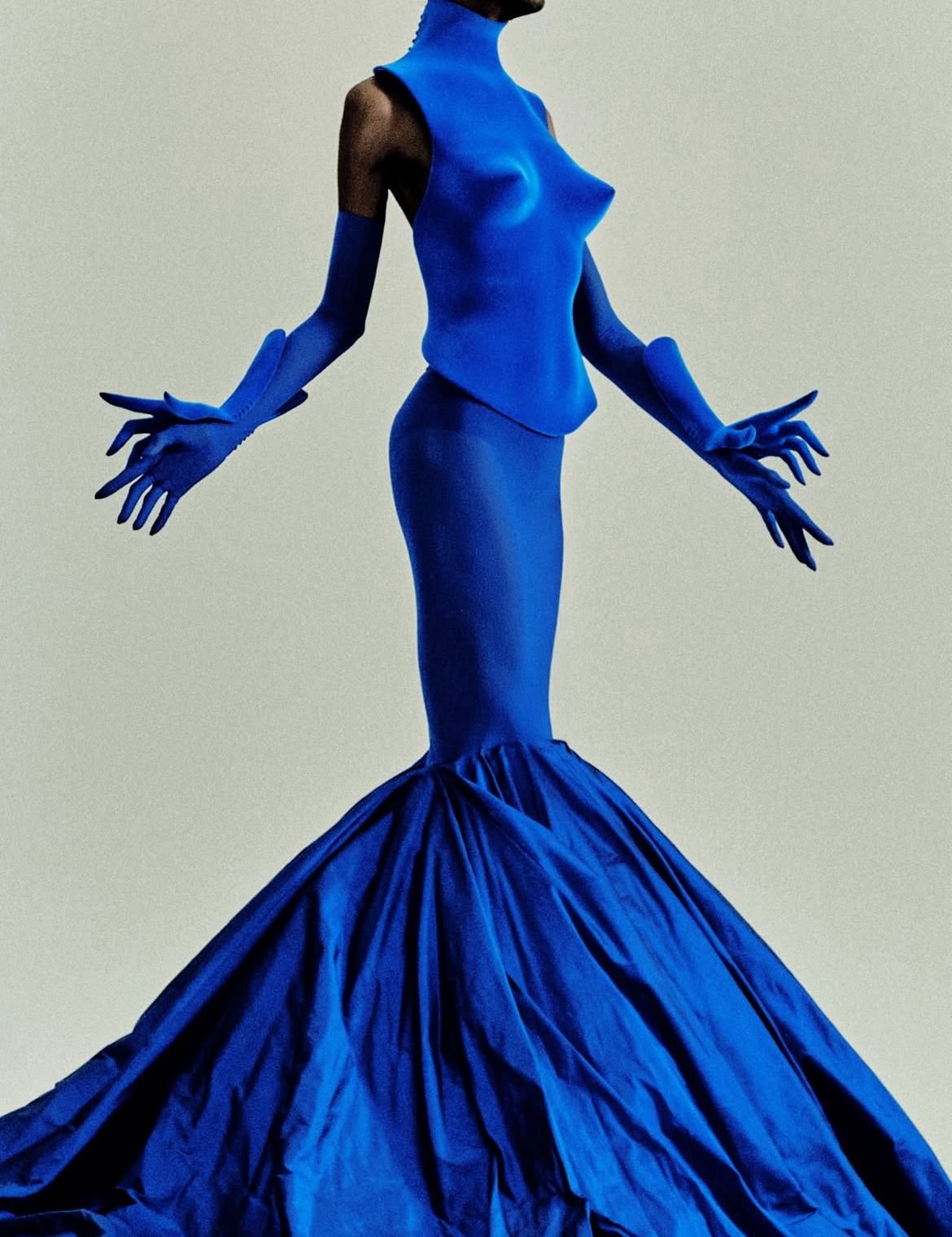
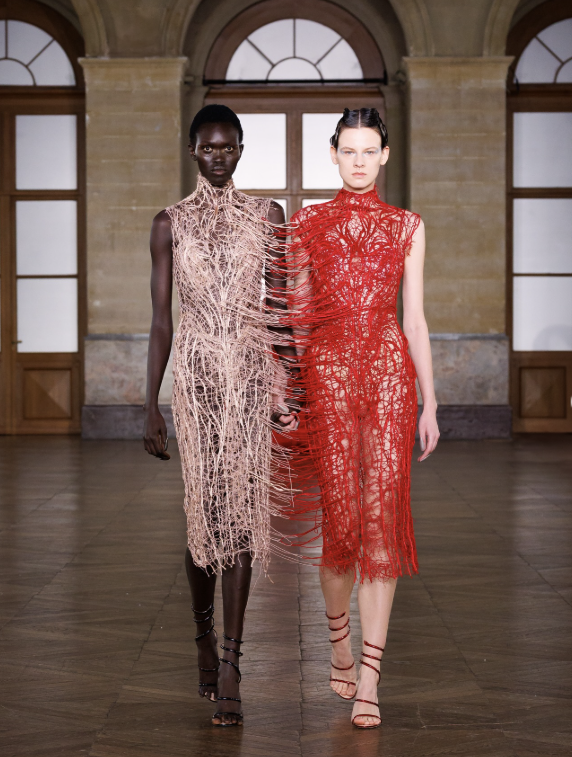
The red carpet set expectations early. Sculptural silhouettes, fluid metallic fabrics, and jewel-toned palettes dominated the red carpet, underscoring a renewed emphasis on craftsmanship and intentional styling.
Among the earliest standouts was Jessie Buckley, radiant in an elegant Dior design that mirrored the restraint and emotional depth of her work onscreen. Chase Infiniti delivered quiet authority in Louis Vuitton, while Wunmi Mosaku opted for a cinematic, timeless gown that balanced poise and presence. Ariana Grande and Elle Fanning continued the evening’s fashion momentum, joined by a wave of fashion-forward men including Michael B. Jordan and Jacob Elordi.
Hosted for the fourth consecutive year by Chelsea Handler, the ceremony honored film and television achievements selected by more than 600 critics and journalists from the Critics Choice Association. Positioned ahead of the Oscars on March 15, the awards have become a crucial stop in the industry’s recognition circuit.
Buckley’s night extended beyond fashion. She claimed Best Actress for her portrayal of Agnes Shakespeare in Hamnet, directed by Chloé Zhao. Her performance reimagines Shakespeare’s wife, historically known as Anne Hathaway, as a mystical healer deeply attuned to nature. Anchored by grief following the death of her son Hamnet in 1596, the role reframes loss as the emotional origin of Hamlet itself.
In cinema, Sinners led the nominations with seventeen mentions, followed by One Battle After Another with fourteen. Frankenstein and Hamnet each secured eleven nominations, reinforcing a year defined by ambitious storytelling. Internationally, Argentina’s Belén earned a nomination for Best International Film, though the award went to The Secret Agent.
Television honors highlighted Adolescence, with Owen Cooper winning Best Supporting Actor and Stephen Graham awarded Best Actor in a Limited Series. Jacob Elordi also claimed Best Supporting Actor for his role in Guillermo del Toro’s Frankenstein, closing a night where style, substance, and storytelling converged. More than trophies, the evening captured a shifting industry mood, one valuing nuance, collaboration, and aesthetic courage, suggesting that 2026’s cultural conversation will be shaped as much by intention as by spectacle across screens and stages.