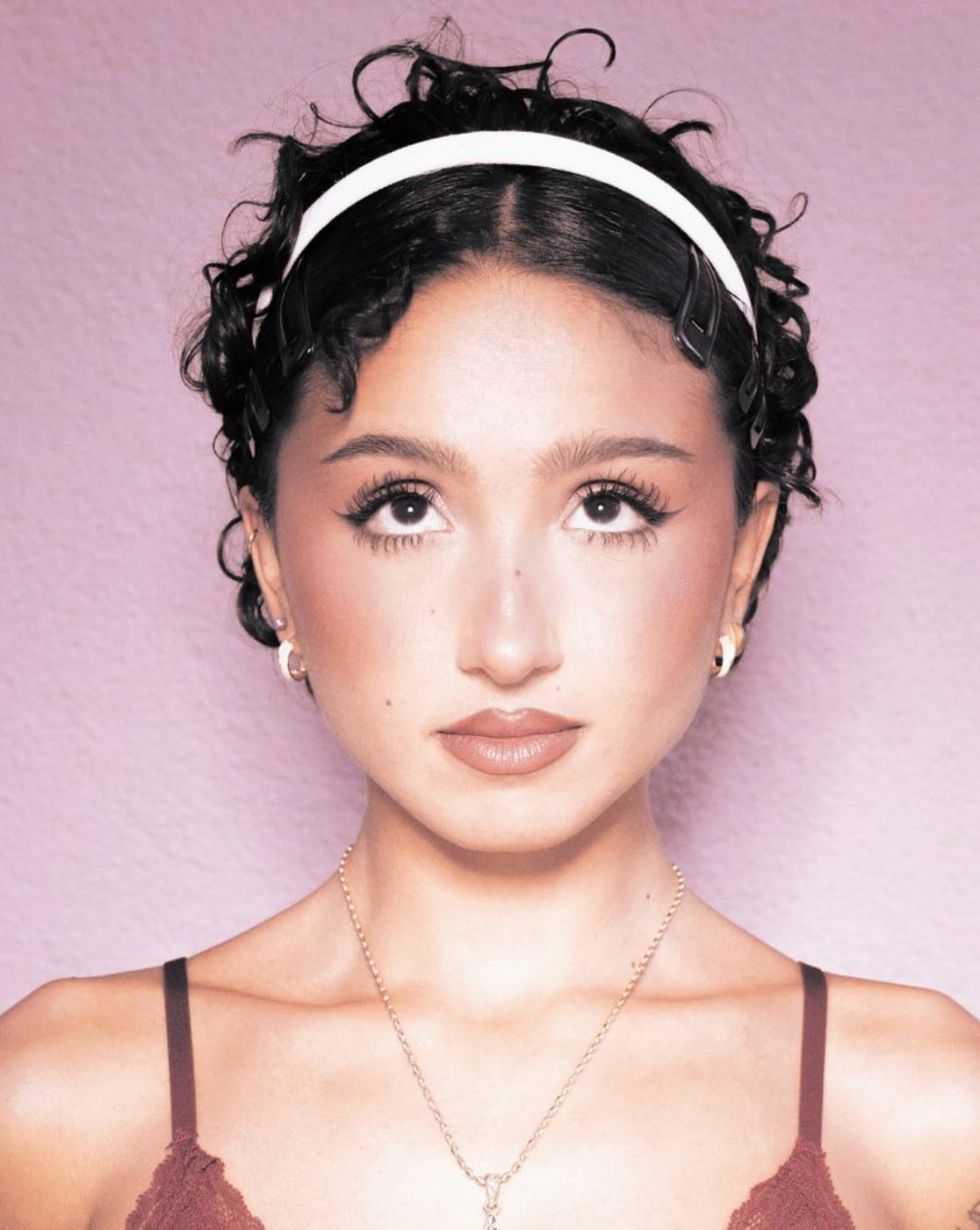
From viral choreography to alternative pop auteur, Naarjesse rewrites the rules of becoming, crafting a fearless artistic identity shaped by resilience, digital intimacy, and a refusal to wait for permission in an industry still learning how to hold complexity and contradiction.
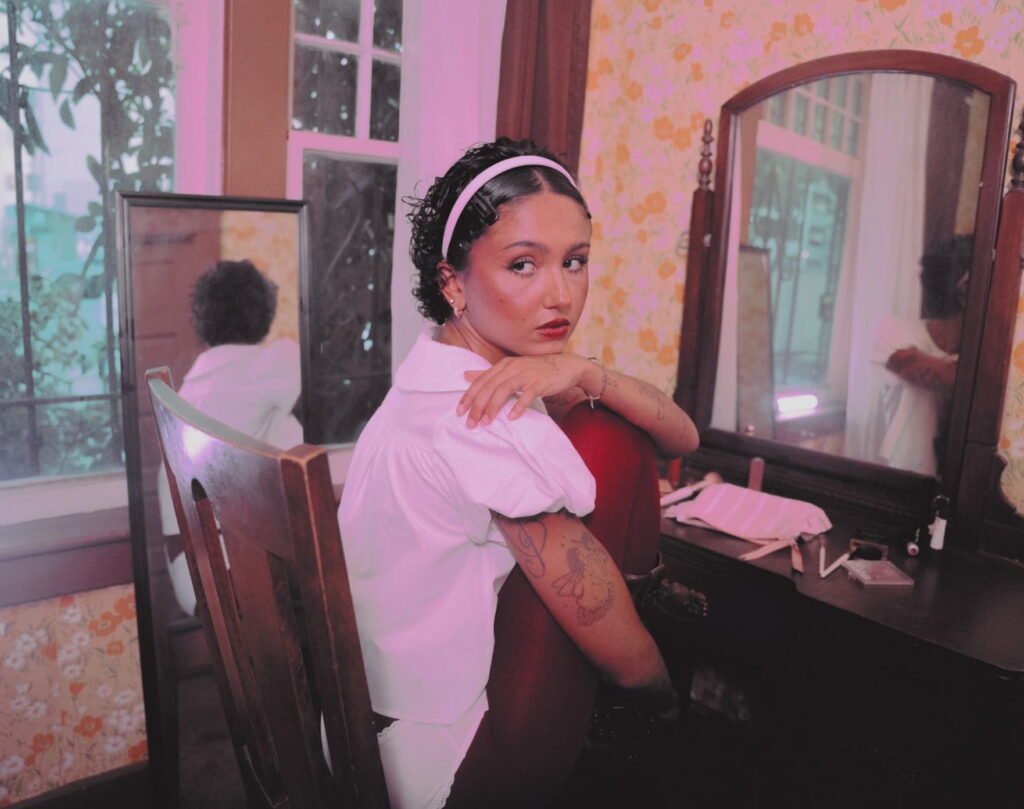
There’s a particular kind of velocity that defines artists raised online—a speed that collapses distance between dreaming and doing. Naarjesse belongs to that generation, but she moves with something rarer: intention. Her trajectory doesn’t feel accidental, even when it’s propelled by virality. It feels constructed, piece by piece, like a world she has been sketching long before anyone thought to look.
Born to Algerian-Moroccan roots and raised near Lille, France, her beginnings are not framed by industry infrastructure but by instinct. Dance came first—not as a stepping stone, but as a language. The body, before the voice, became her medium. In middle school, she began uploading choreography online, translating global pop into something tactile and immediate. A routine set to BTS, filmed in front of her family’s garage, didn’t just circulate—it detonated. Visibility arrived early, but it wasn’t passive. She understood, even then, how to hold attention.
Leaving school at fifteen might read as rupture, but for Naarjesse it was alignment. Teaching dance classes while building a digital presence, she began to occupy a dual role: both student and architect of her own practice. There’s a quiet discipline in that decision—a rejection of prescribed timelines in favor of something more self-directed, more precarious, but ultimately more expansive.
Her entry into The Debut: Dream Academy, a global project backed by Hybe and Geffen Records, marked a shift into a more formalized system. The narrative here could easily become one of validation: the small-town girl recognized, selected, flown to Los Angeles. And yet, what stands out is not the co-sign, but her adaptability within it. Six months of intensive training sharpened her, but it also revealed the fragility of momentum. A hip injury—sudden, disorienting—forced a pause that could have easily become an ending.
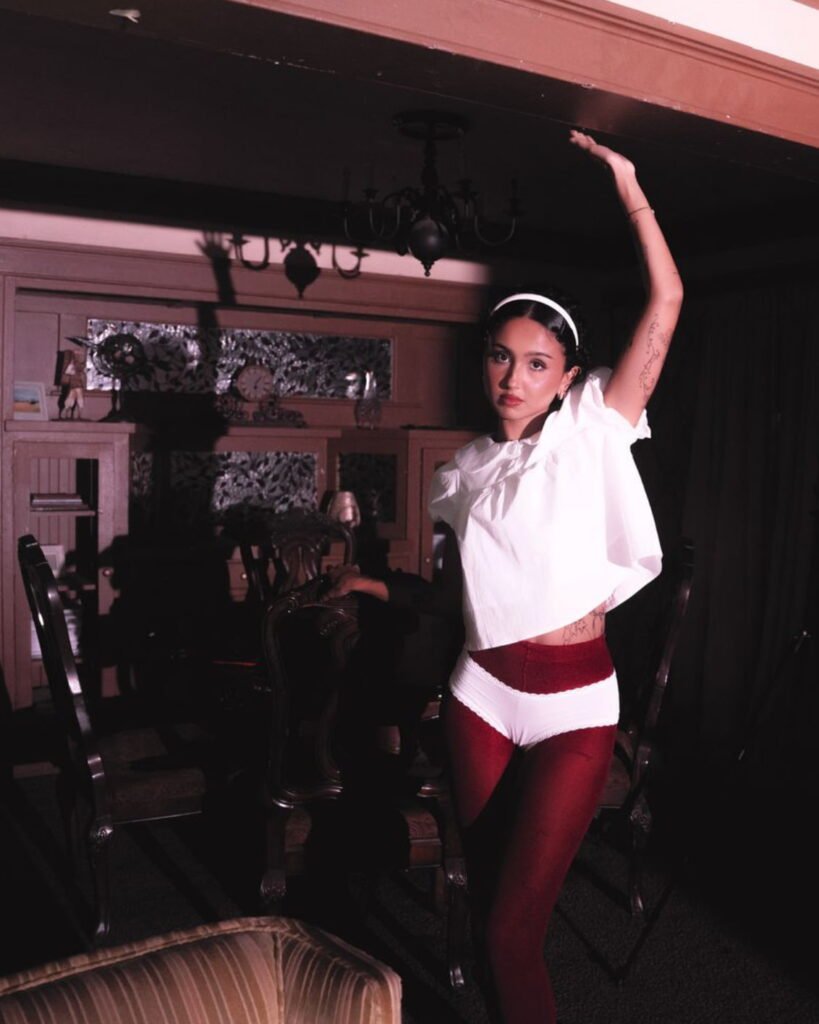
Instead, it became a pivot.
Recovery, in her case, feels almost mythic in its speed. Walking again within three weeks, she returned not cautiously, but creatively. The choreography she built to “Espresso” by Sabrina Carpenter wasn’t just a comeback—it was a reassertion of presence. The video didn’t simply go viral; it embedded itself into culture. Hundreds of millions of views, a performance nod on The Tonight Show, and eventual integration into Fortnite as an official emote transformed a moment into a loop—repeatable, shareable, endlessly reinterpreted.
But virality, for Naarjesse, is not the destination. It’s material.
What distinguishes her current phase is a deliberate shift inward. Influenced by the textured psychedelia of Tame Impala, the minimal emotional precision of Billie Eilish, and the ethereal experimentation of Oklou, she begins to construct a sonic identity that mirrors her lived multiplicity. Alternative pop becomes her framework, but she stretches it—infusing funk, playfulness, and an almost diaristic sharpness in tone.
Her debut single, City Girl et Like Madonna, feels less like an introduction and more like a declaration. The title alone suggests duality: urban aspiration colliding with iconography, self-invention refracted through cultural memory. There’s humor in it, but also strategy. Naarjesse understands the semiotics of pop—the way references carry weight, the way irony and sincerity can coexist without canceling each other out.
Crucially, she is building this not as a reinvention, but as a continuation. The dancer, the viral creator, the disciplined trainee—they are all still present. What changes is authorship. She is no longer interpreting someone else’s rhythm; she is composing her own.
In an industry that often demands simplification—of identity, of narrative, of sound—Naarjesse resists reduction. Queer, North African, self-taught, digitally native: these are not labels she performs for visibility, but realities she integrates into her work without explanation. The result is an artistry that feels both intimate and expansive, rooted yet uncontained.
She doesn’t wait for the future. She builds it, choreographs it, scores it—then presses play.