Timothée Chalamet’s recent transformation has unsettled Hollywood’s comfort with likability as currency. Once framed as cinema’s gentle prodigy, he has become deliberately abrasive, courting friction during the Marty Supreme press tour. Social media calls it arrogance; fashion insiders recognize performance. Chalamet insists the posture channels Marty Reisman, a swaggering table tennis savant. By refusing humility, he reframes promotion as theater, dressing controversy like couture and daring audiences to watch closely while blurring celebrity, character, and commerce into one volatile spectacle.
Interviews amplified the effect. Chalamet praised his own work as first rate, warned against taking it for granted, and teased knowledge of awards outcomes. A Good Morning America aside about knowing what happens next summer turned on Oscar predictions. The reaction, predictably, split along generational lines. Critics heard hubris; younger fans heard confidence. Either way, the noise functioned as oxygen for an original A24 gamble. Financial results quickly reframed discourse, suggesting provocation can outperform politeness within prestige marketing ecosystems during crowded release calendars and award seasons.
The strategy already delivered measurable returns. Marty Supreme opened in just six American theaters, grossing an astonishing 875,000 dollars. That average per screen topped the year and marked the strongest limited debut since La La Land. Conversation translated into curiosity, curiosity into tickets. For A24, whose brand thrives on cultural electricity, Chalamet’s polarizing visibility proved less liability than lever. Risk became rhythm, and spectacle synchronized press, fashion moments, memes, and cinephile credibility without traditional safeguards. Ambition was the metronome guiding every calculated beat forward relentlessly.
The persona also reframes earlier moments. His SAG Awards speech about pursuing greatness once felt excessive, even imperial. In retrospect, it reads as method bleed, not megalomania. Director Josh Safdie’s biopic centers obsession, scale, and bravado, demanding total commitment. Preparing so close to filming blurred edges. When Chalamet later appeared more grounded, he admitted the character’s gravity had lingered. Critics now hail the performance among his finest, elevating physicality, timing, and ego into propulsion. It is exhausting, thrilling work that mirrors Reisman’s legend precisely, unapologetically.
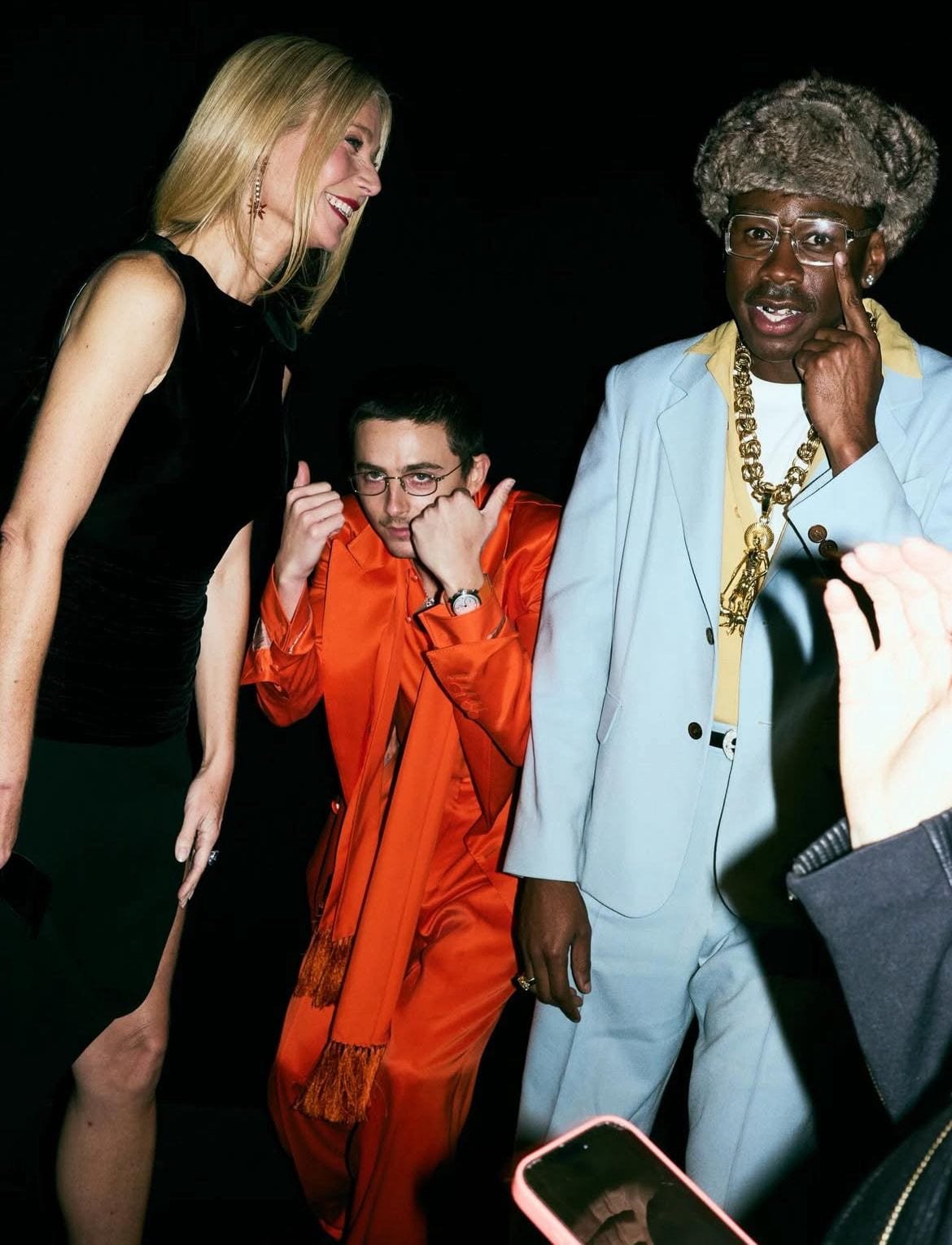
Online, the campaign mutated into playful chaos. Orange outfits, absurd talent shows, mock marketing calls, and a self-aware rap video revived his Gen Z roots. Collaborations collapsed memes into narrative, turning irony into invitation. Viewers debated authenticity, laughed at unpredictability, and shared relentlessly. The question is sustainability. Not every gamble converts buzz to box office, yet this one already altered expectations. In fashion, cinema, and fame economies, audacity remains the sharpest silhouette. Chalamet wears it boldly, knowing eyes follow whether applauding, questioning, or buying tickets.