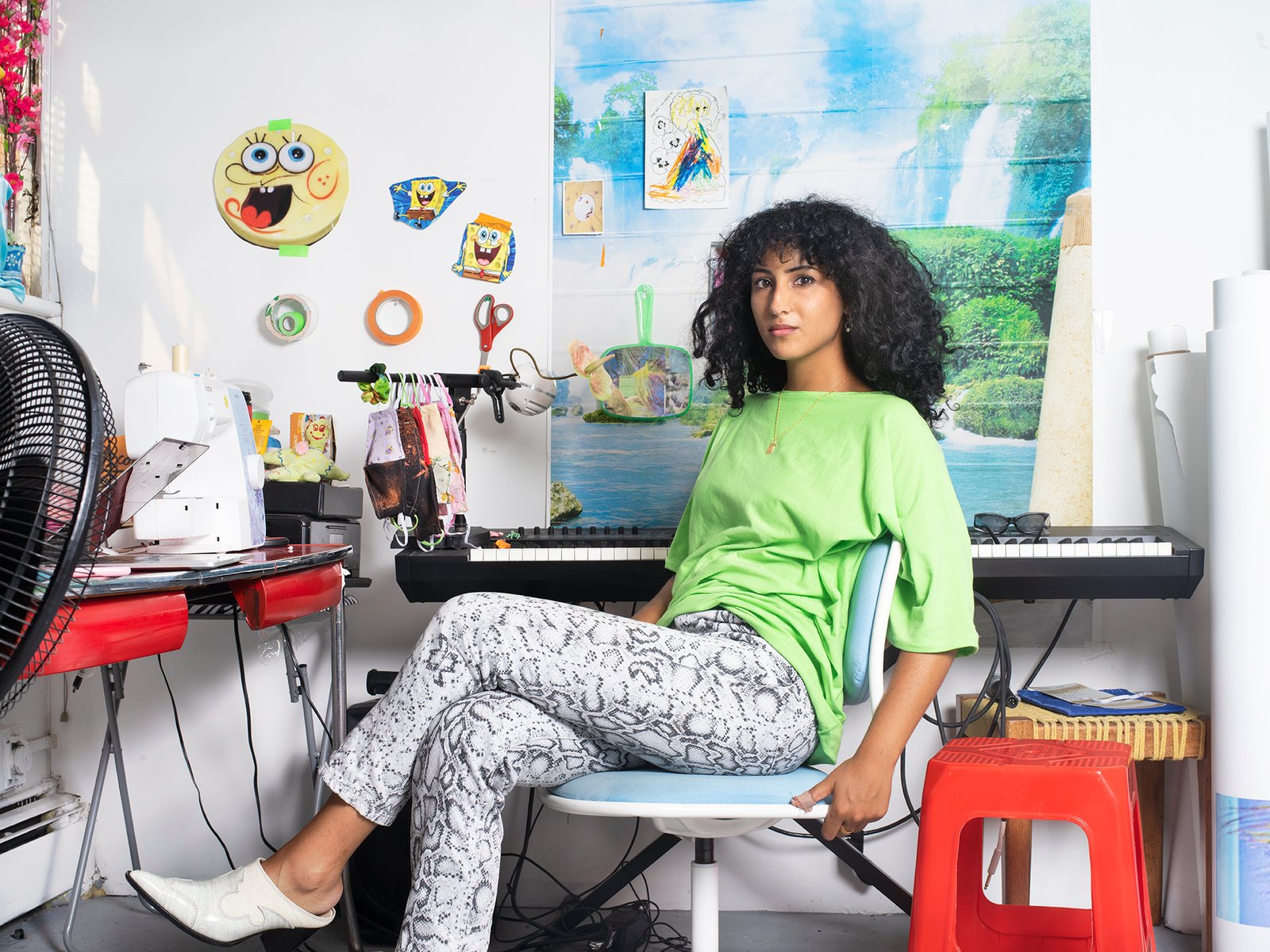
The three films in «Psychic Repair» unfold with the upmost intimacy and short but powerful duration. Shown at the SCAD Museum of Art in Savannah, the exhibition brings together moving image and photography to examine belief, fear, and the fragile structures we use to make sense of the world. Written and performed by Farah Al Qasimi herself, the films feel intimate, they are not only narratives, they aim to challenge us.
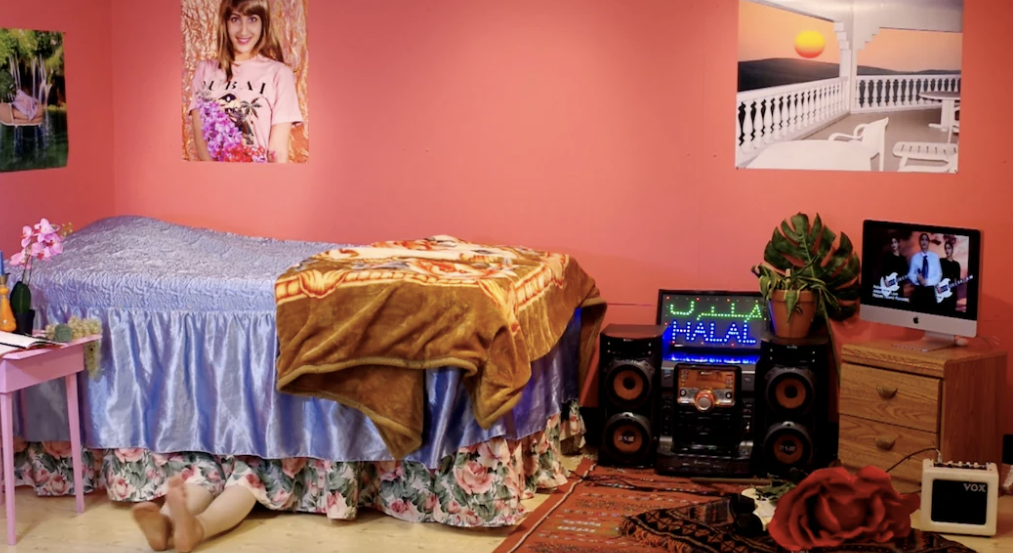
Known for interrogating how emotion and power circulate online, Al Qasimi approaches the supernatural not as fantasy but as social fact. Jump-rope chants, spoken poetry, and punk inflected songs become prophetic mantras. In one film, she reconstructs her teenage bedroom and appears as the monster beneath the bed, collapsing fear and self into the same figure. Girlhood, archive and lens.
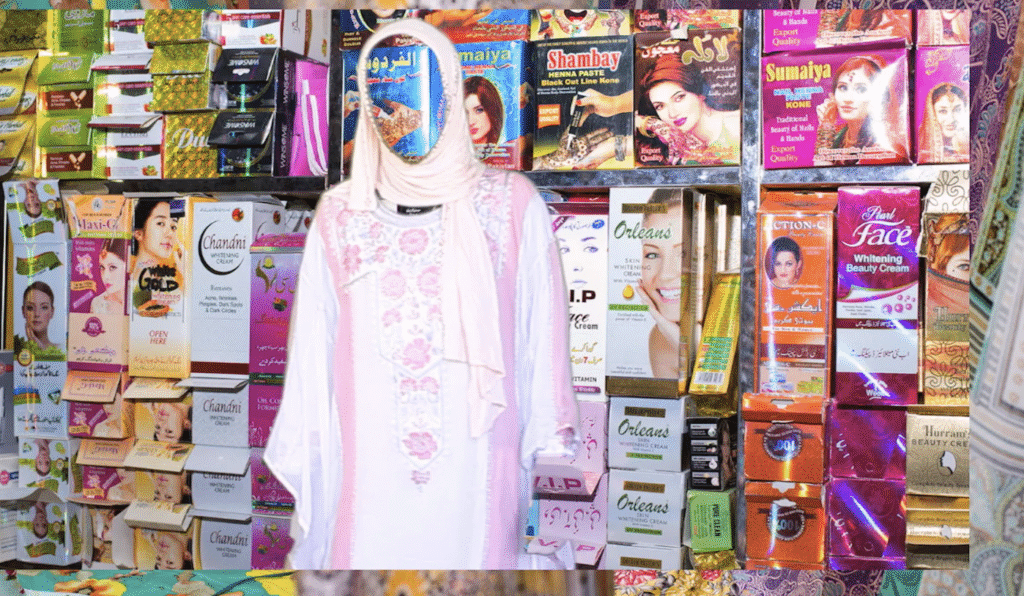
Across the exhibition, highly saturated photographs are layered like early internet pop-up ads or department store vitrines. Domestic interiors, patterned fabrics, and shadowed corners stage rituals of self-presentation that feel simultaneously intimate and defensive. Shaped by Al Qasimi’s upbringing in the United Arab Emirates and her adulthood in the US, the work treats the supernatural as a metaphor for unseen forces: belief systems, consumerism, surveillance, that quietly govern daily life. The central question lingers: what do we believe in without proof?
Al Qasimi describes the supernatural as one of the earliest sites where children notice contradictions in adult truth-making. Within families that share the same religion, belief can still fracture radically. That instability between faith and imagination seemed to have followed her into adulthood.
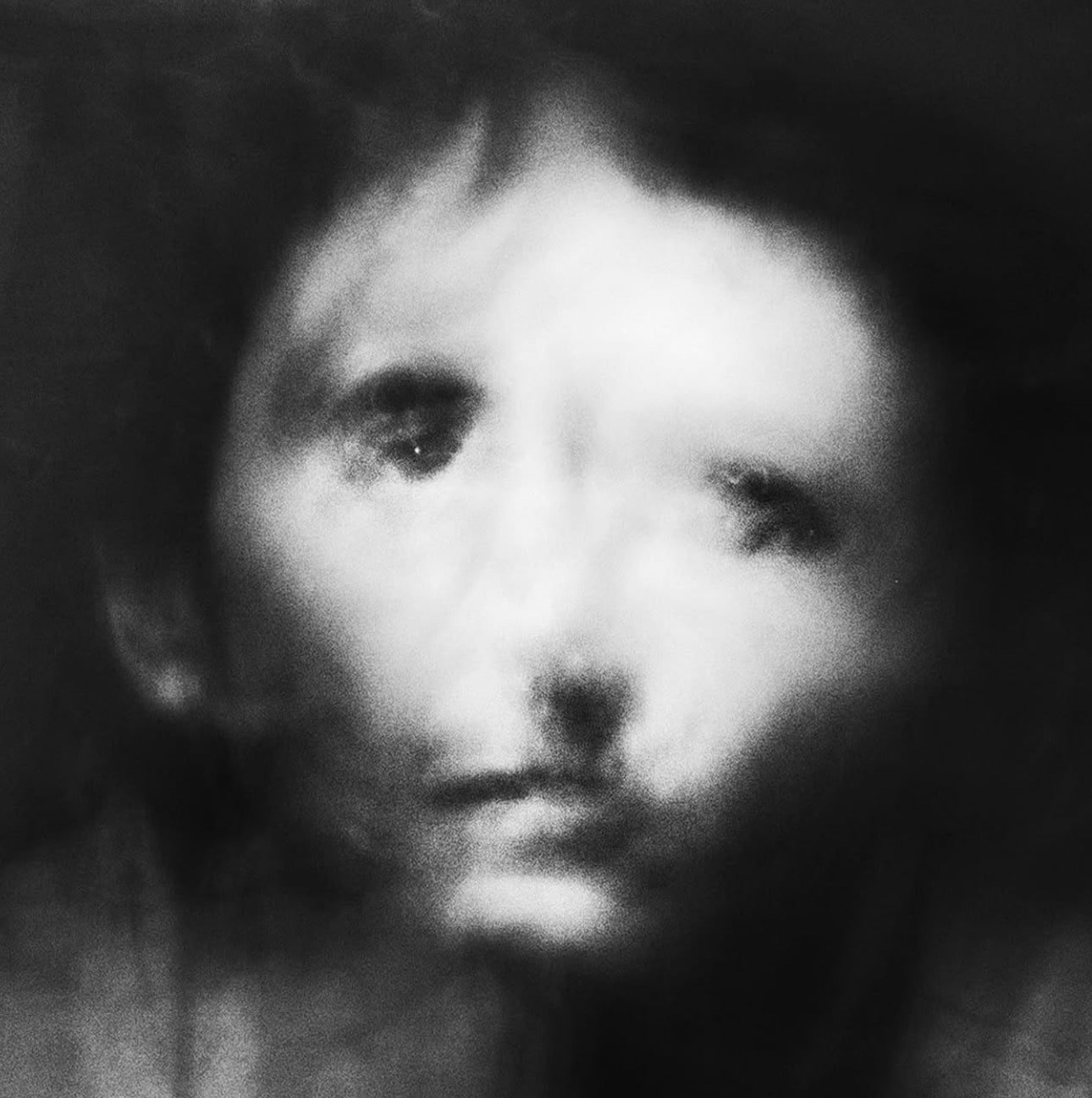
As a photographer rooted in documentary traditions, Al Qasimi is acutely aware of the camera’s limits. You cannot photograph a ghost. In «Psychic Repair», that failure becomes productive. The work challenges photography’s claim to truth, positioning absence, anxiety, and belief as equally real subjects.
One film centers on a discarded plastic doll that returns to haunt her former owners a meditation on consumerism, material permanence, and modern haunting. Unlike Victorian dolls made from organic matter, plastic resists decay. In a world increasingly overwhelmed by synthetic debris, Al Qasimi asks: what does it mean for objects to linger, to haunt?
Ultimately, «Psychic Repair» is less about ghosts than survival. In an era defined by political violence, ecological collapse, and digital overload, the exhibition suggests that belief can still function as a form of repair. Hope, Al Qasimi reminds us, often lives where fear once slept.