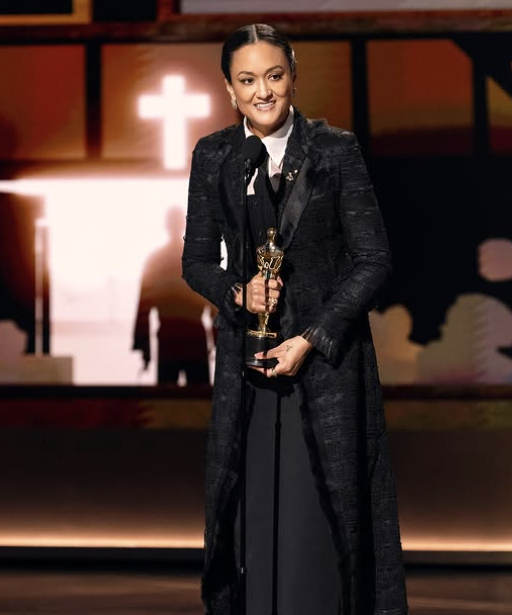
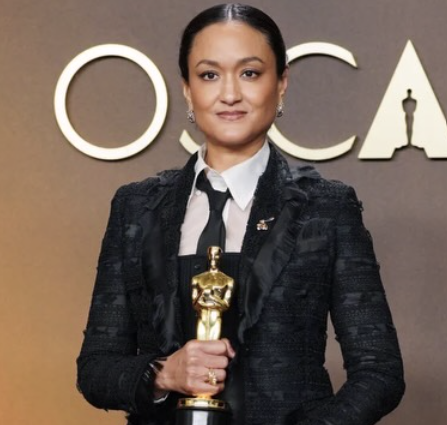
The 98th Academy Awards returned to the Dolby Theatre with all the expected spectacle from every year: emotional speeches, calculated glamour, and a tightly contested list of winners. But beneath the surface of tradition, one moment changed history: Autumn Durald Arkapaw winning Best Cinematography for «Sinners».
With this Oscar, Durald Arkapaw became the first woman, and the first woman of color, to receive the award in the Academy’s history. In a category long dominated by men, her recognition marks a shift not only in representation, but in authorship as a DP, who get to shape how stories look, feel, and move.
The film industry is a work field that has always been dominated by men. In the recent years, women have been trying to fight for a seat on the table or just make space for their voices to be heard but even with all the effort of many remarkable women for decades, awards and ceremonies of the filmmaking industry have been quite silent about the importance of recognising their talent and merit.
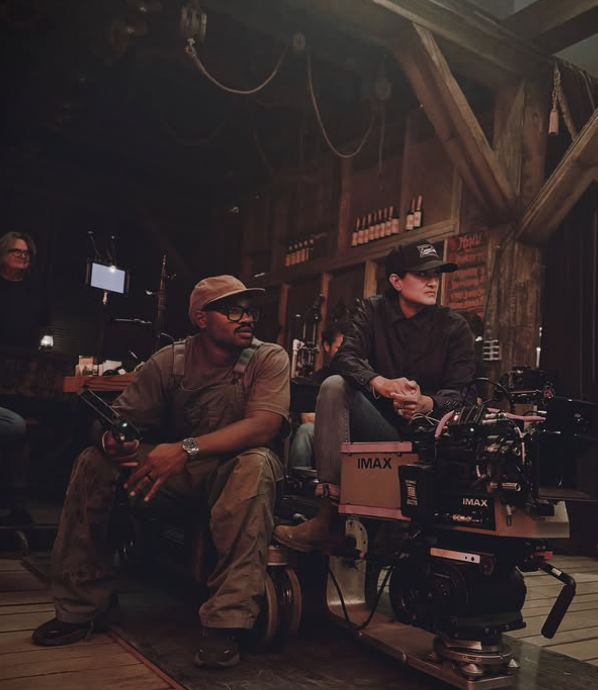
Directed by Ryan Coogler, Sinners arrived as the night’s heavyweight, leading with 16 nominations. It ultimately secured four awards but among them, Durald Arkapaw’s stood apart. Competing against established names like Dan Laustsen, Darius Khondji, and Michael Bauman, her win signaled a recalibration of the field. In a role where «manly activties» are requiered like working with electricy, moving heavy equipment, being activly involved in direction Arkapaw proved that we can do that too, and we can also excel in our work.
Her visual language has always resisted neutrality. Born to a Filipino mother and an Afro-Creole father, Durald Arkapaw’s work is deeply informed by a layered cultural memory. She often traces her fascination with images back to childhood flipping through her grandmother’s photo albums, absorbing fragments of family history through still frames.
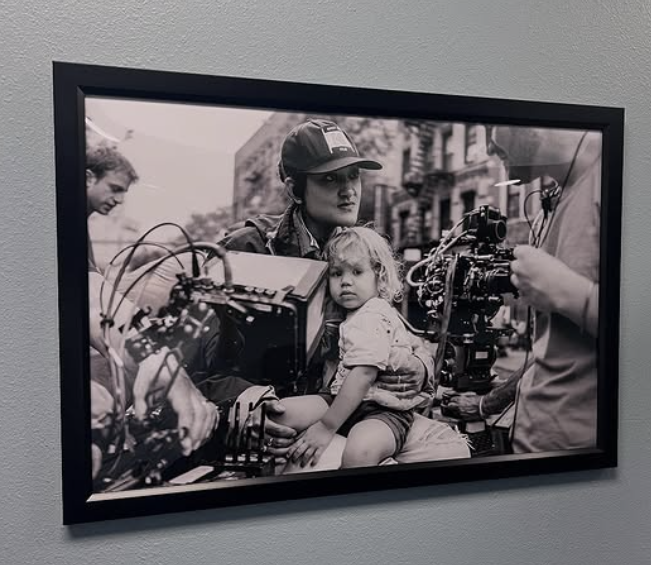
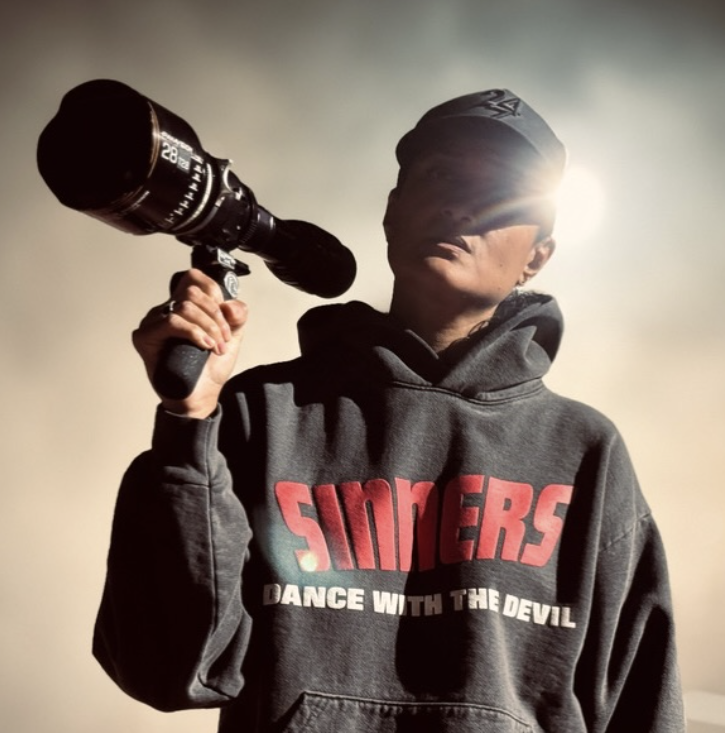
That sensibility evolved through formal training, first in art history at Loyola Marymount University, then in cinematography at the AFI Conservatory where she developed a practice that bridges analysis and emotion. Her images carry a tension between precision and atmosphere, often privileging mood over clarity, presence over perfection.
Before Sinners, her career moved fluidly between music videos, independent film, and major studio projects, including «Teen Spirit«, the Marvel series «Loki«, and «Black Panther: Wakanda Forever». It was in the latter that her creative relationship with Coogler took shape.
In many ways, her Oscar win feels overdue. But it also arrives at a moment when cinema itself is being renegotiated visually, politically, and culturally. As more women and artists of color step into technical leadership roles, the industry’s visual codes begin to shift.
Durald Arkapaw’s achievement is not just about breaking a ceiling. It’s about expanding the frame allowing new perspectives to redefine what cinematic beauty looks like, and who gets to decide.