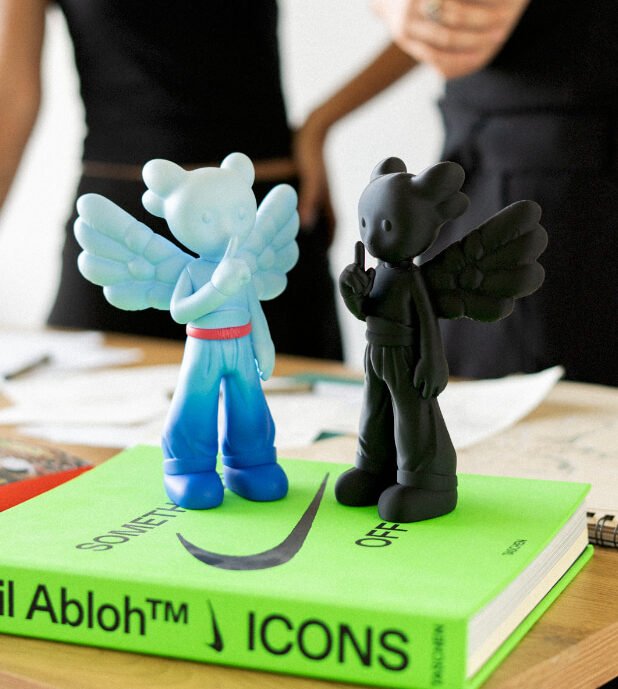
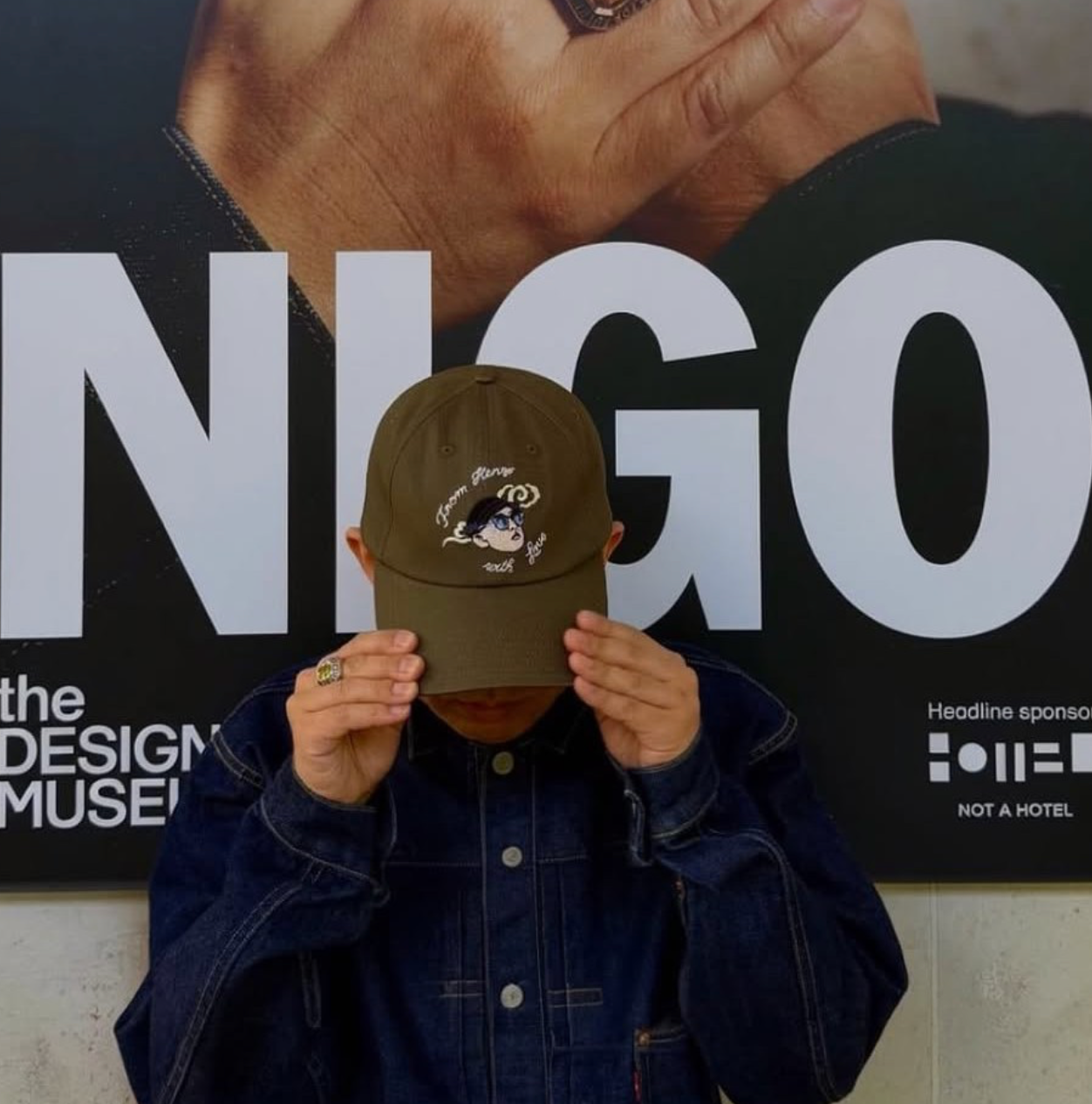
Nigo retrospective at Design Museum London explores the designer’s cross-disciplinary legacy, tracing his influence across streetwear, music, and visual culture while examining authorship, collaboration, and the transformation of subcultural aesthetics within an institutional exhibition context today.

Nigo retrospective at Design Museum London frames the Japanese designer’s trajectory as both cultural archive and ongoing influence, tracing a practice that moves fluidly between fashion, music, and global street culture. The exhibition, presented at the Design Museum, marks the first institutional survey dedicated to Nigo, positioning his work within a broader narrative of late twentieth and early twenty-first century image-making.
Emerging from the Tokyo scene of the 1990s, Nigo’s early projects—particularly A Bathing Ape—are approached not simply as brands but as cultural systems. The retrospective highlights how his methodology merges sampling, remixing, and recontextualization, drawing from Americana, hip-hop, and archival graphics. Rather than linear progression, the exhibition suggests a looped temporality, where references continuously resurface in altered forms.

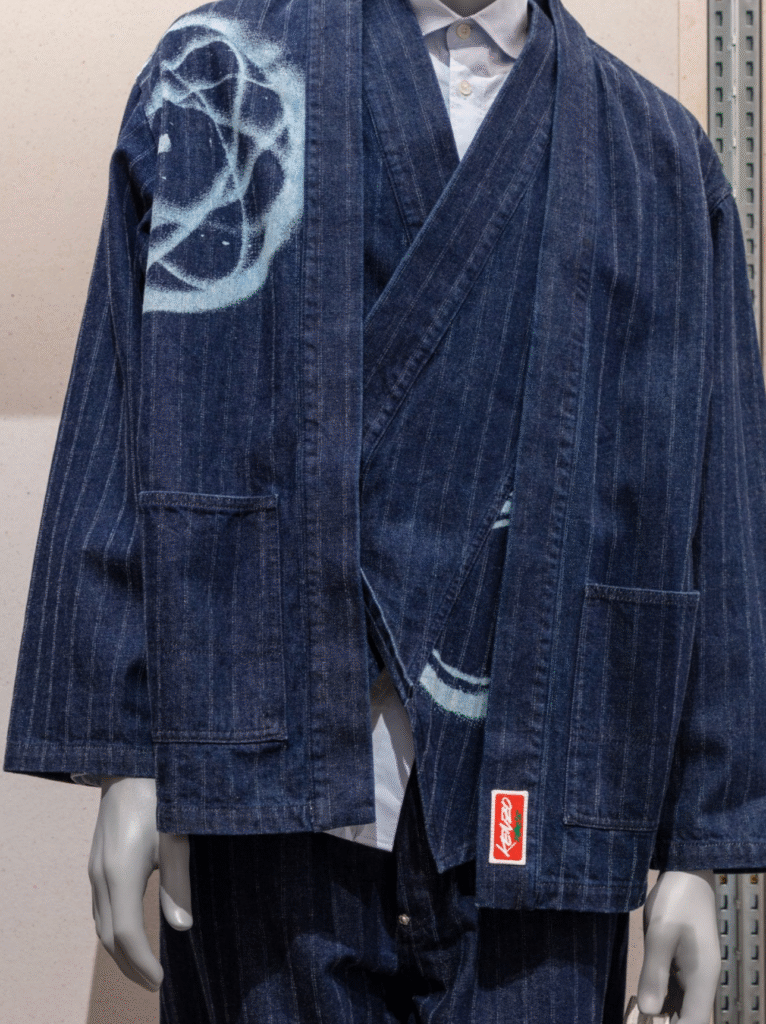
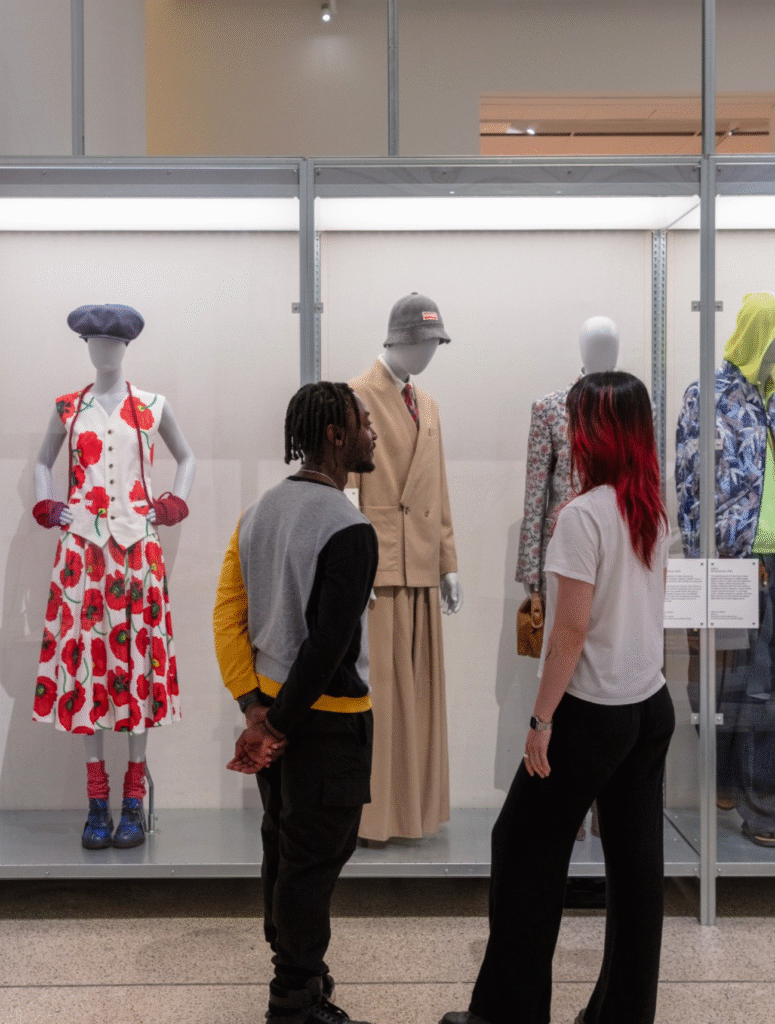
Alongside garments and objects, the show integrates music and collaborative projects, underlining Nigo’s role as connector across disciplines. His partnerships, as implied, operate less as commercial gestures and more as shared authorship, reinforcing a networked understanding of creativity. This perspective complicates traditional notions of designer as singular auteur, instead foregrounding collective production.
Importantly, the exhibition also reflects on authorship and authenticity in an era shaped by reproduction. Nigo’s work, often rooted in appropriation, navigates the tension between homage and originality with deliberate ambiguity. The museum context amplifies this dialogue, situating streetwear within institutional space without fully resolving its inherent contradictions.
Ultimately, the retrospective reads as both recognition and inquiry. It acknowledges Nigo’s imprint on global style while questioning how subcultural languages are absorbed, translated, and preserved. What remains is an open framework—one that resists closure, much like the cultural cycles it documents.