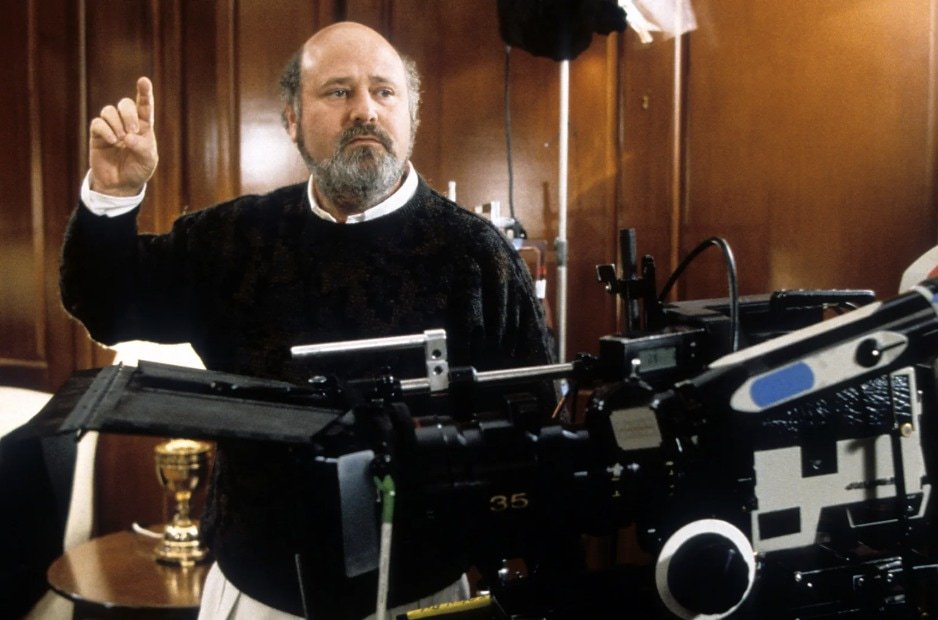
Hollywood is no stranger to tragedy, but some stories cut deeper than spectacle. The deaths of filmmaker Rob Reiner and his wife, Michele Singer Reiner, discovered in their Los Angeles home on December 14, belong to that category, less a headline than a rupture in the cultural imagination.
According to the Los Angeles Medical Examiner, both died from multiple sharp force injuries. The following day, the LAPD confirmed the couple were victims of homicide. Within hours, the investigation took a devastating turn: authorities arrested their son, Nick Reiner, 32, and later charged him with two counts of first-degree murder, including the special circumstance of multiple murders. Prosecutors allege he personally used a knife in the killings. He remains in custody without bail and has not yet entered a plea.
The shock reverberated quickly through the industry and beyond. Friends, colleagues, and family members described Rob and Michele as loving, engaged, and deeply connected in the days leading up to their deaths. Actress Jane Fonda, who had seen them the night before, wrote that they appeared “healthy and happy.” Their children: Jake and Romy Reiner, along with Tracy Reiner, Rob’s daughter with Penny Marshall, released a brief statement asking for privacy amid what they described as an “unbelievably difficult time.”
Rob Reiner’s public legacy is firmly cemented in American cinema. As the director behind The Princess Bride, Stand By Me, Misery, and A Few Good Men, he shaped generations of viewers with stories that balanced humor, morality, and emotional clarity. Yet the tragedy now forces an uncomfortable reckoning with the private fractures that can exist behind even the most celebrated careers.
Nick Reiner’s struggles with addiction were not hidden. Years earlier, he spoke openly about cycles of relapse, homelessness, and more than a dozen stints in rehabilitation. In 2015, he co-wrote Being Charlie, a film directed by his father that drew loosely from his own experiences with substance abuse. “There were a lot of dark years,” Nick once said, describing a life shaped by instability, estrangement, and recovery attempts that never fully held.
In the days before the killings, multiple outlets reported a heated argument between father and son at a Christmas party. Whether relevant or coincidental, the detail adds to a portrait of a family under strain, one that mirrors, in painful ways, broader conversations about mental health, addiction, and the limits of support systems, even within privileged worlds.
This is not a story that invites easy conclusions. It sits uncomfortably at the crossroads of love and violence, legacy and loss. As the legal process unfolds, what remains is a sobering reminder: fame does not insulate against fracture, and even the most admired narratives can end without resolution.