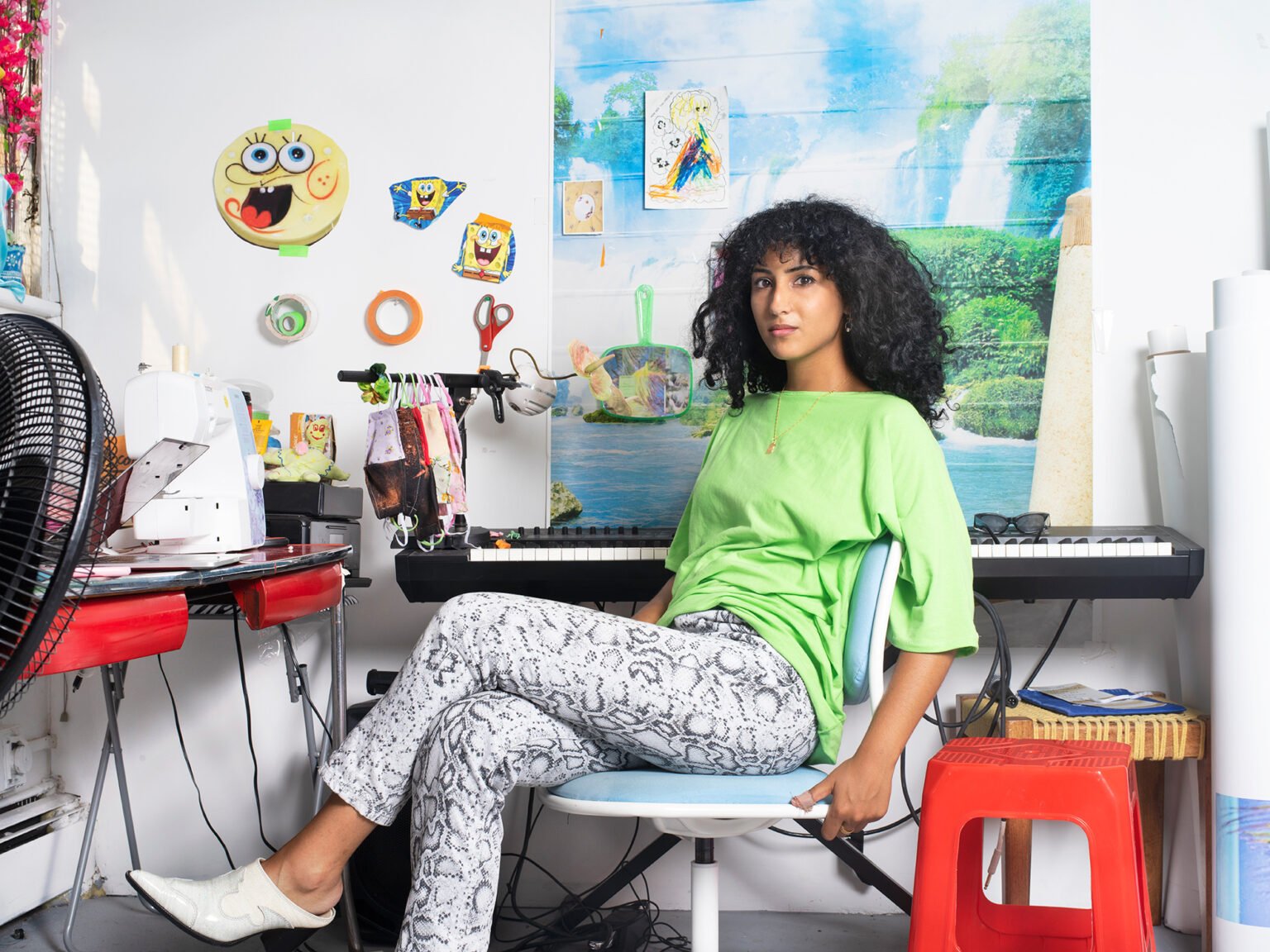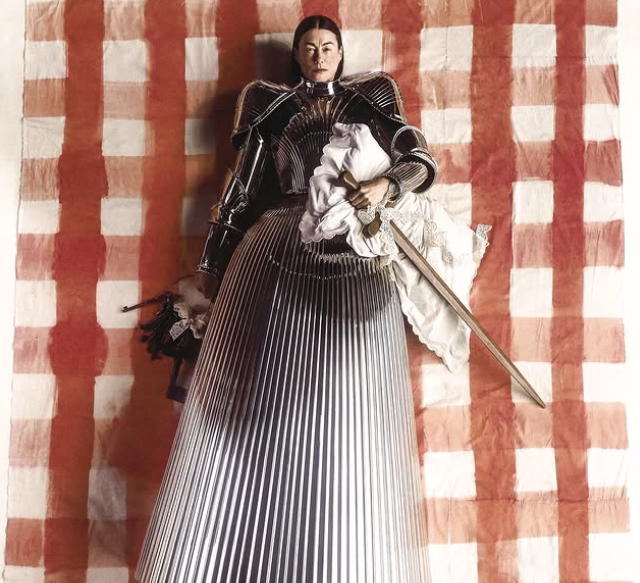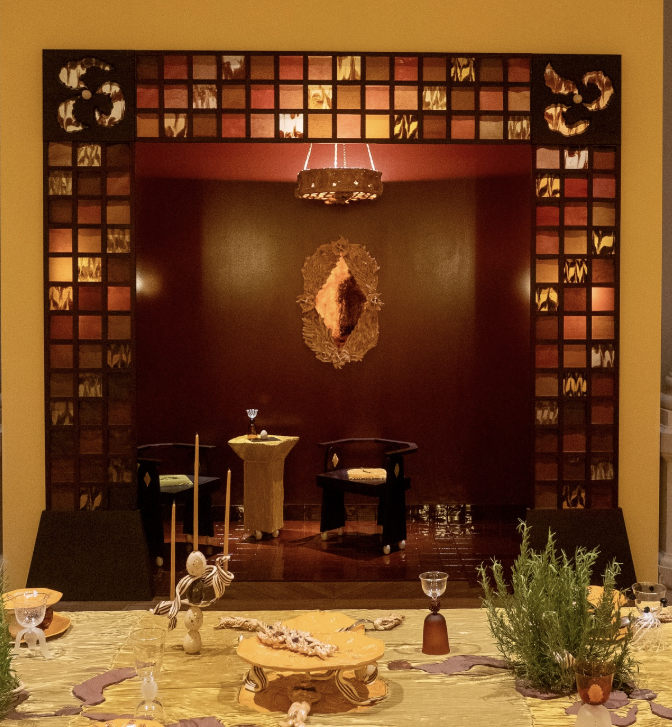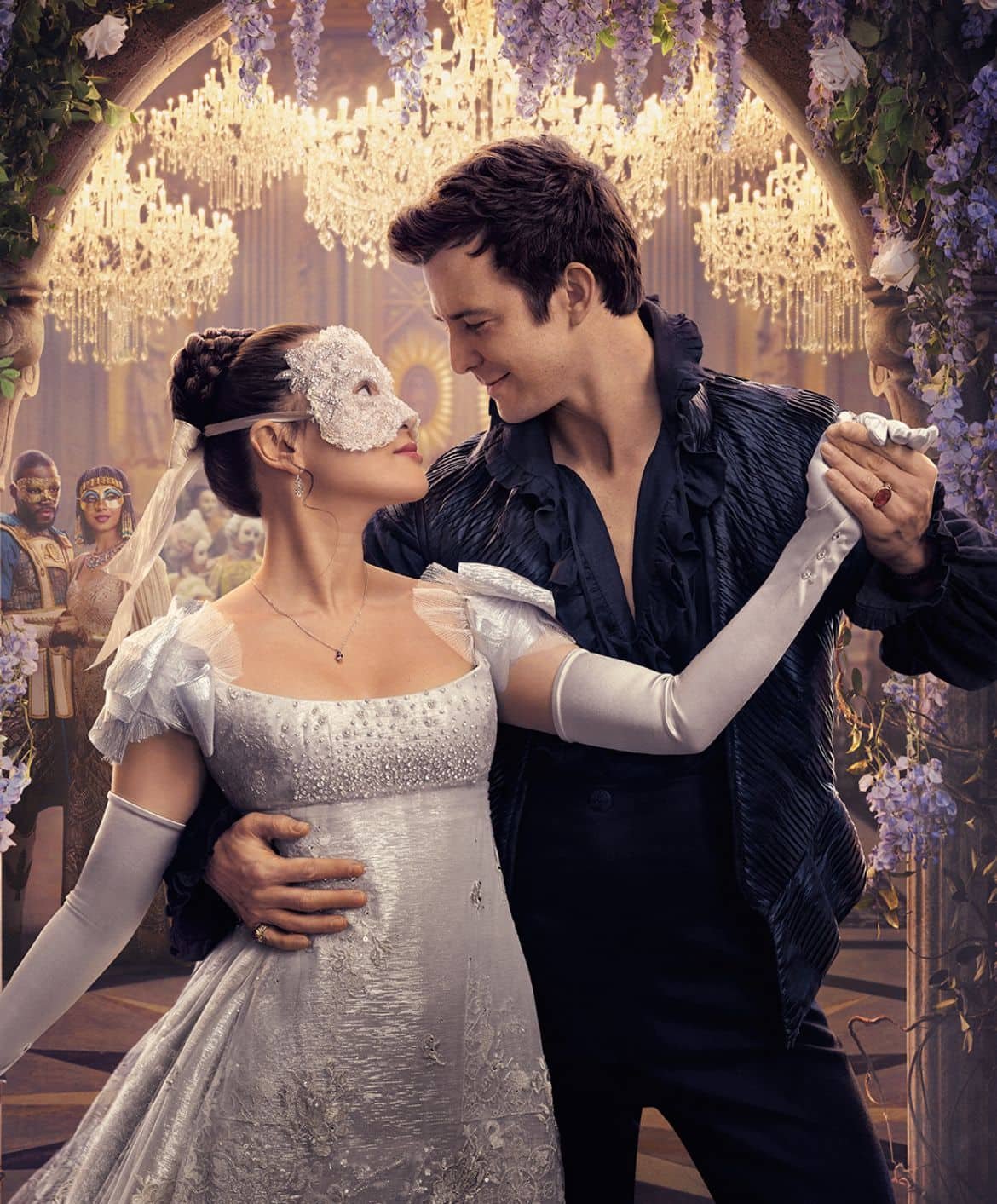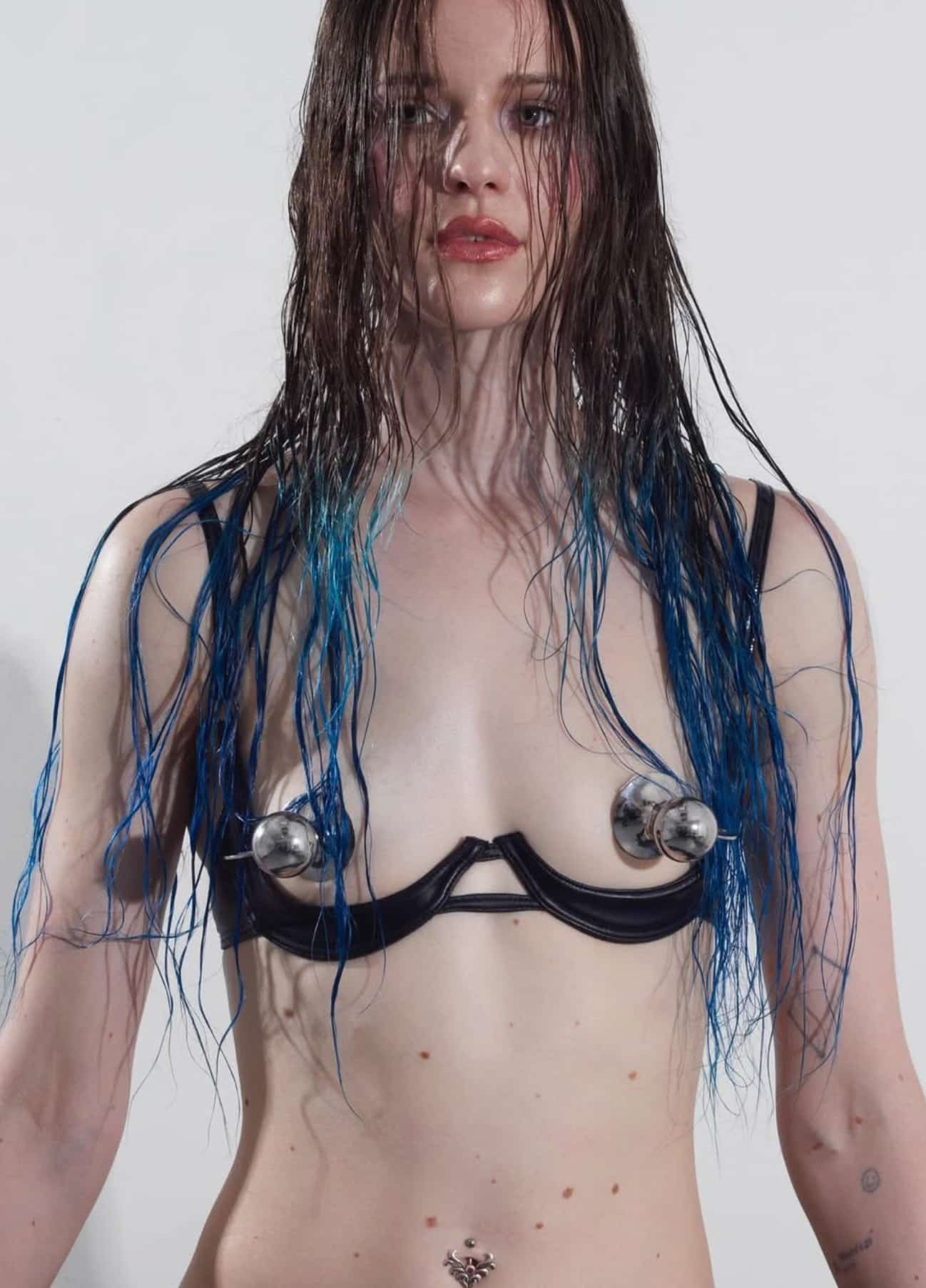
Some artists break rules. Arvida Byström dissolves them in sugar water.
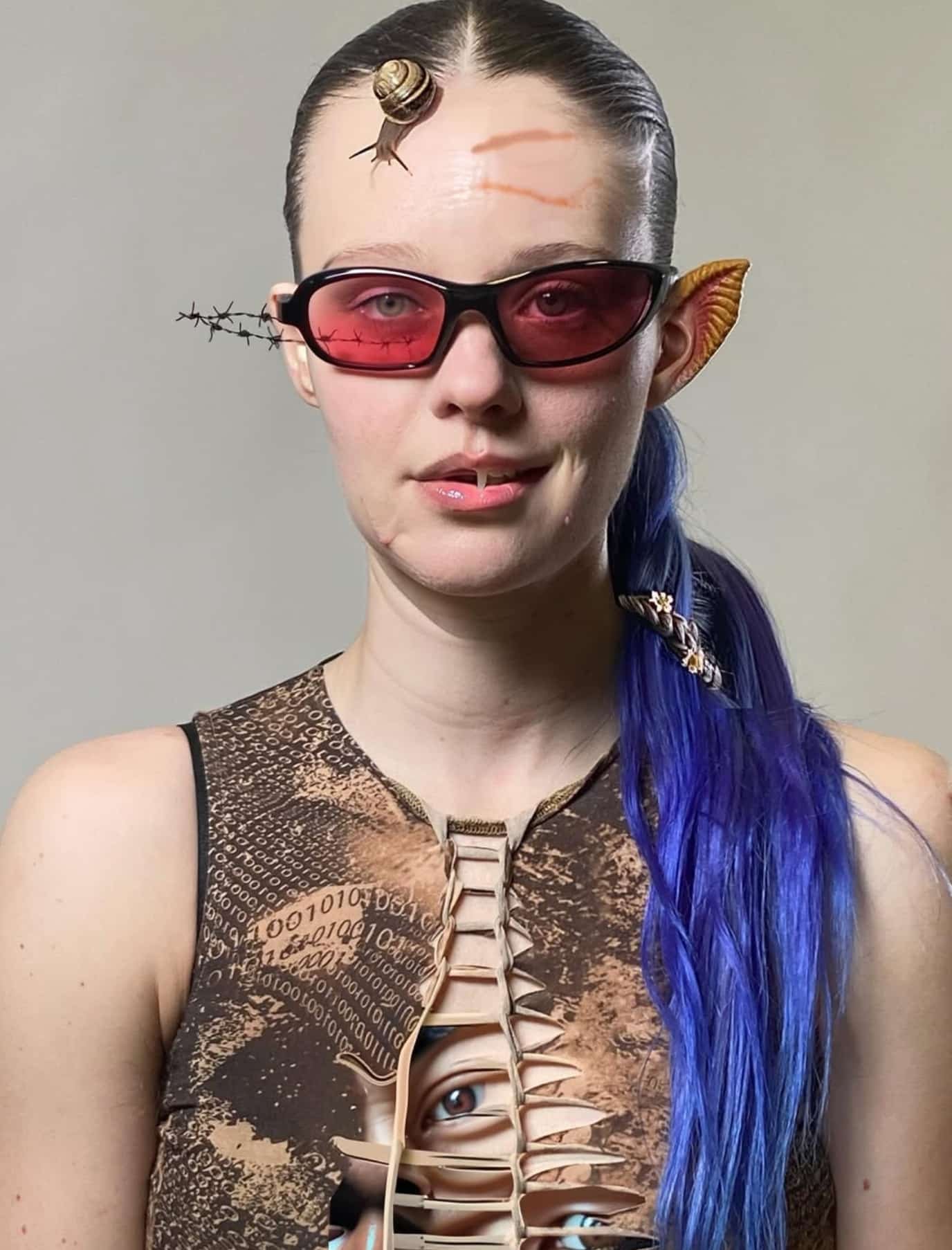
From afar, she might look like an internet fairy: pink hair, luminous skin, soft filters. But look twice — her work isn’t naive; it’s resistance wrapped in silk. Arvida Byström isn’t here to please. She’s here to make you rethink what’s beautiful, what’s political, what’s yours.
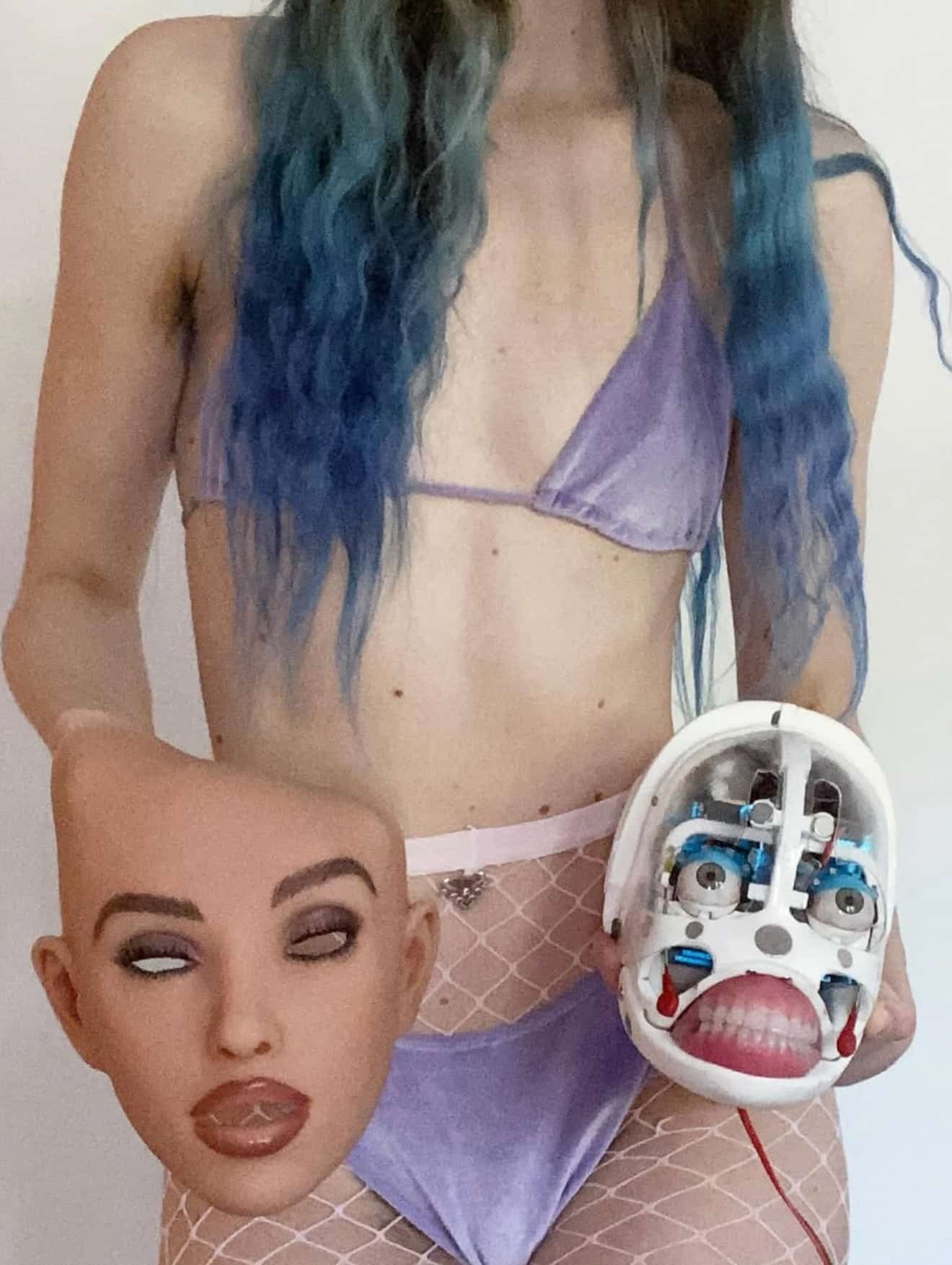
Born in Stockholm in 1991, Arvida belongs to the generation that grew up on Tumblr, that chaotic, glowing corner of early internet freedom. There, she discovered her voice — pastel-colored, intimate, defiant. Her self-portraits broke the algorithmic ideal of the “perfect woman”: she showed body hair, unretouched skin, and the messy tenderness of being real.
What started as self-expression soon became manifesto. Through her lens, softness became a weapon; vulnerability, an act of defiance.
“It’s not provocation,” she once said. “It’s honesty.”
That honesty came with a cost — censorship, hate, controversy. But also admiration, solidarity, and cult status. When she appeared in an Adidas Originals campaign in 2017, showing her legs unshaven, the internet went wild. Misogynist backlash flooded her feed. She replied with grace: “The body isn’t political until it’s visible.” And that visibility became her signature.
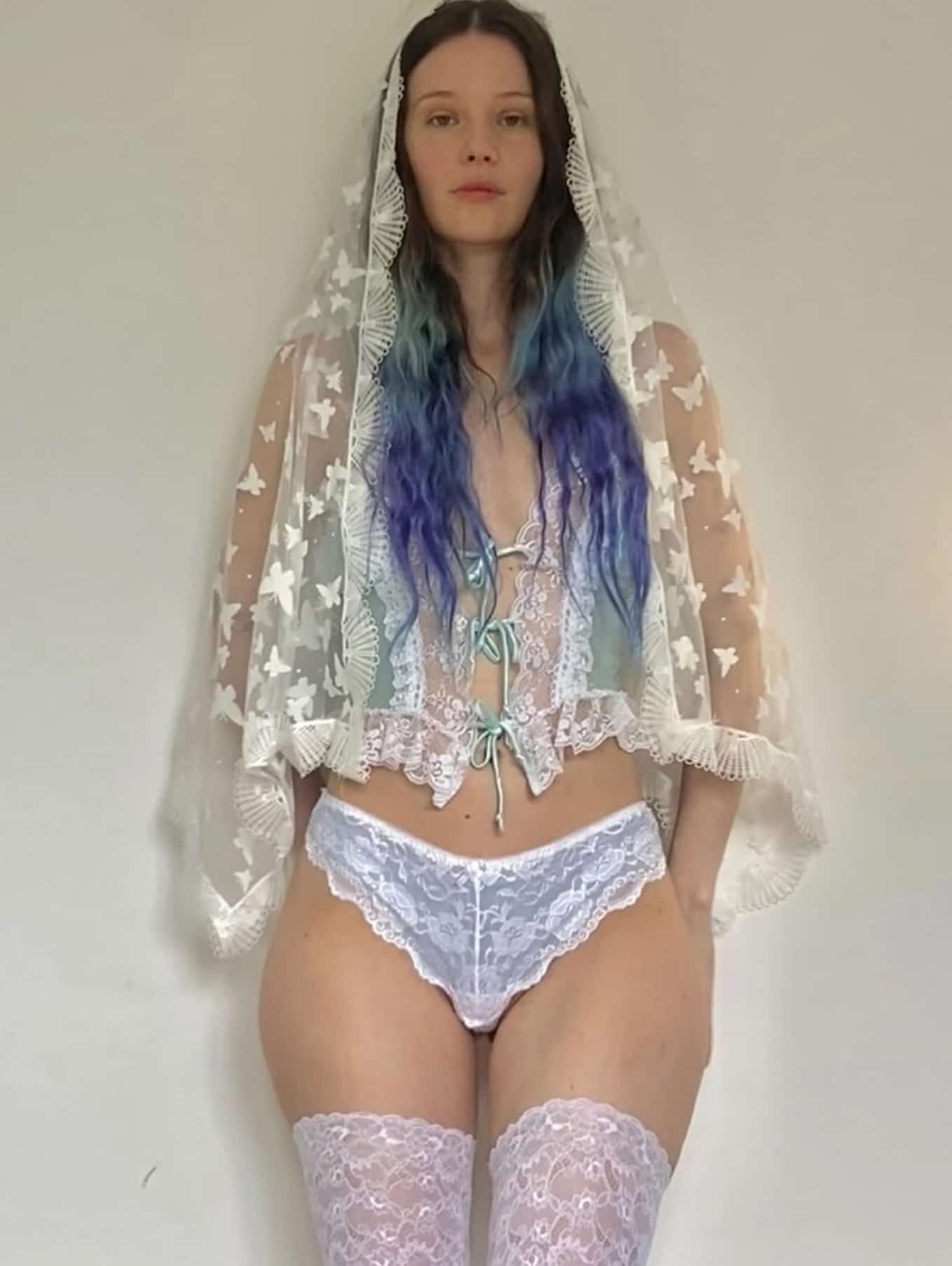
Byström’s art thrives on contradiction. Her world glows in pinks, lilacs, and baby blues — yet under the sweetness, there’s a blade. It’s tenderness as resistance. Her images don’t shout; they hum, hypnotically, with quiet rebellion.
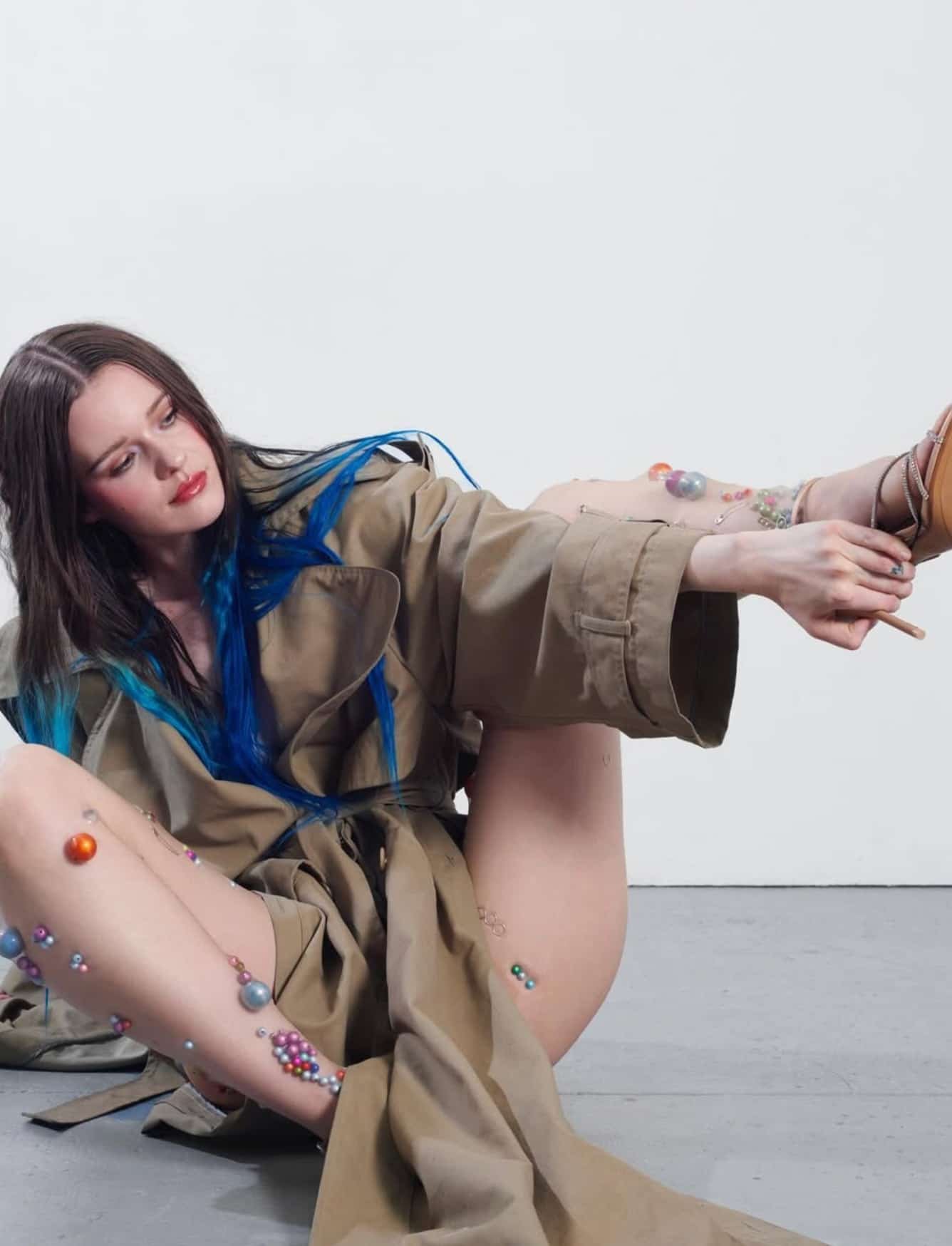
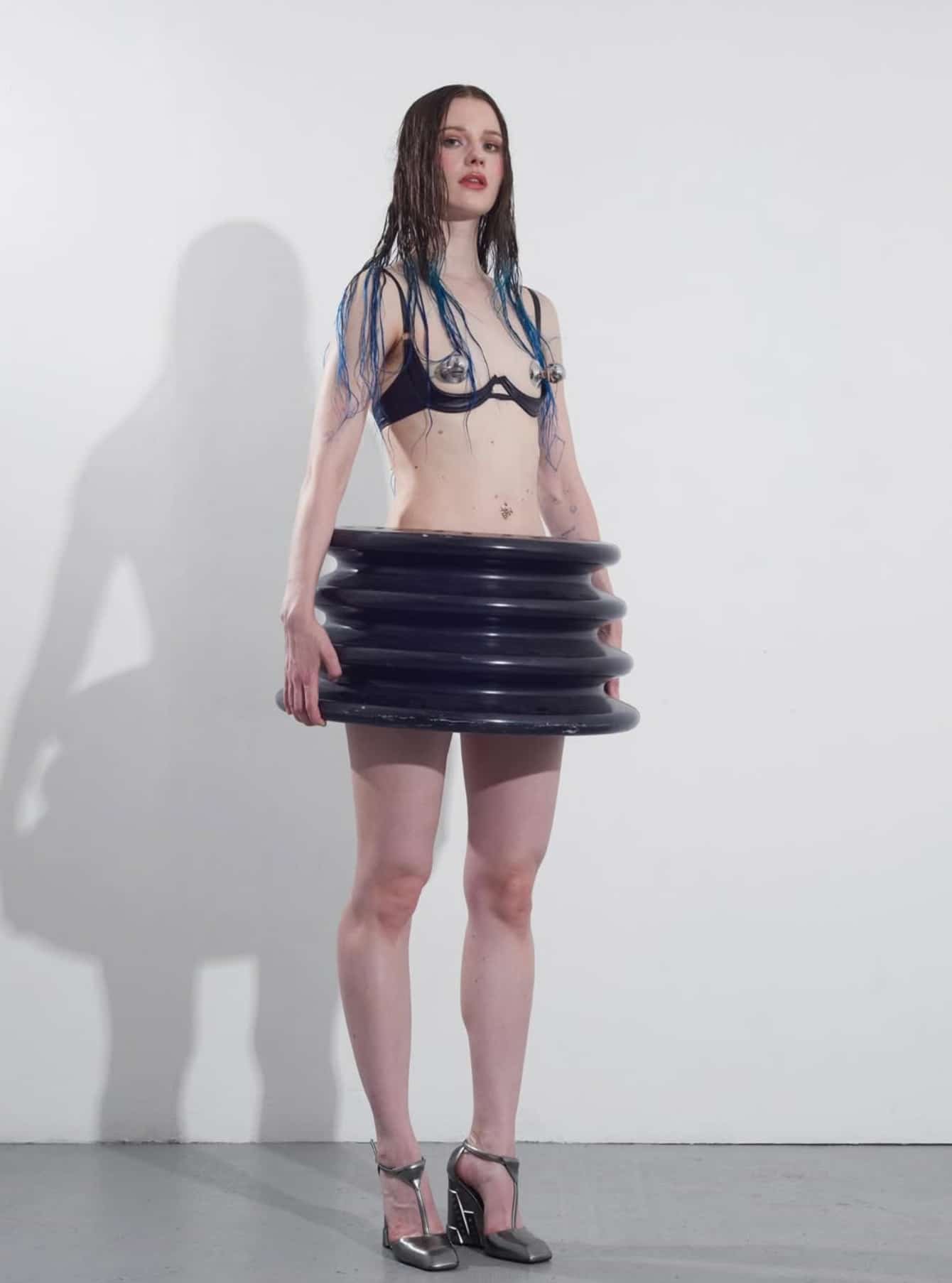
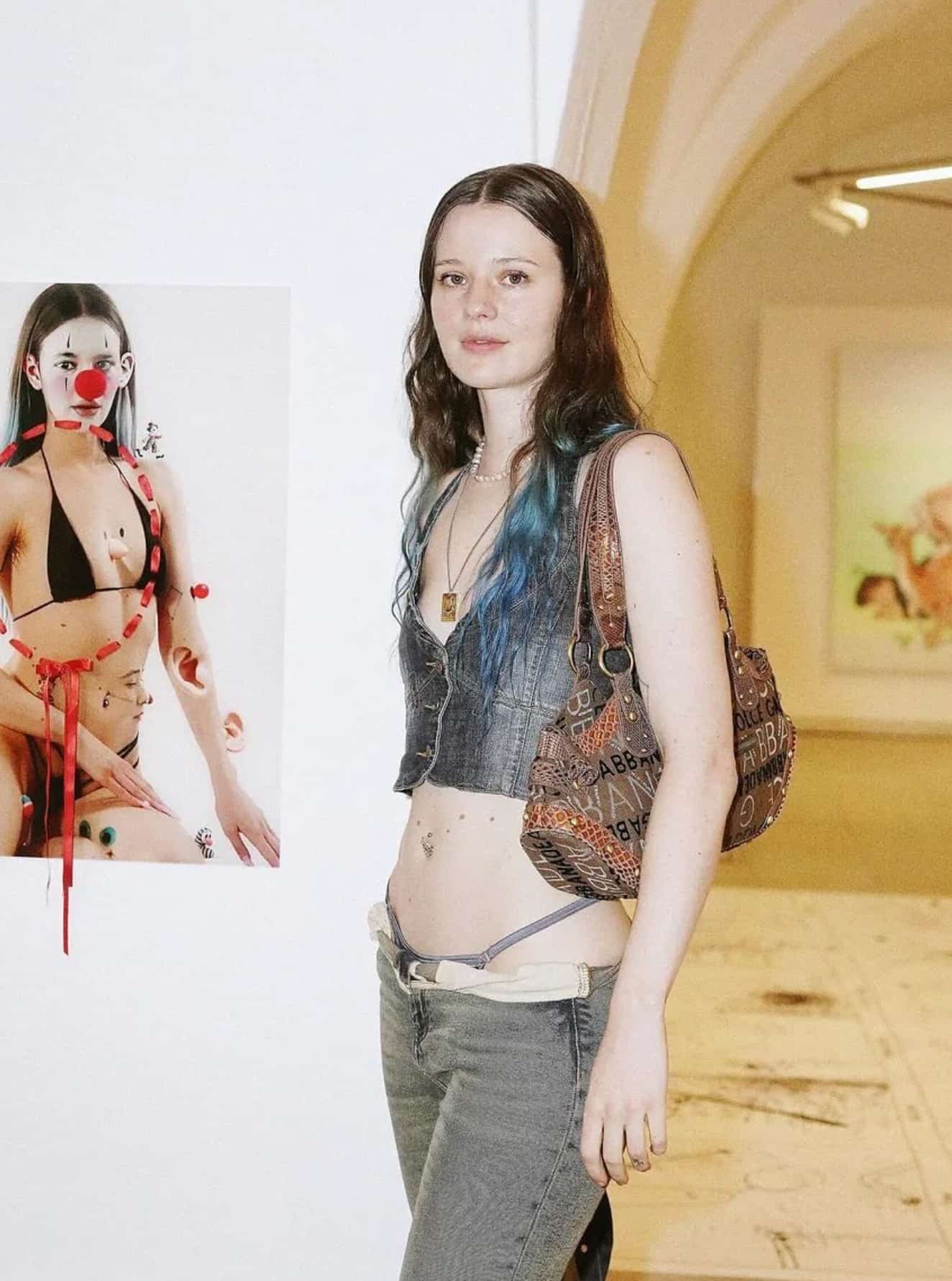
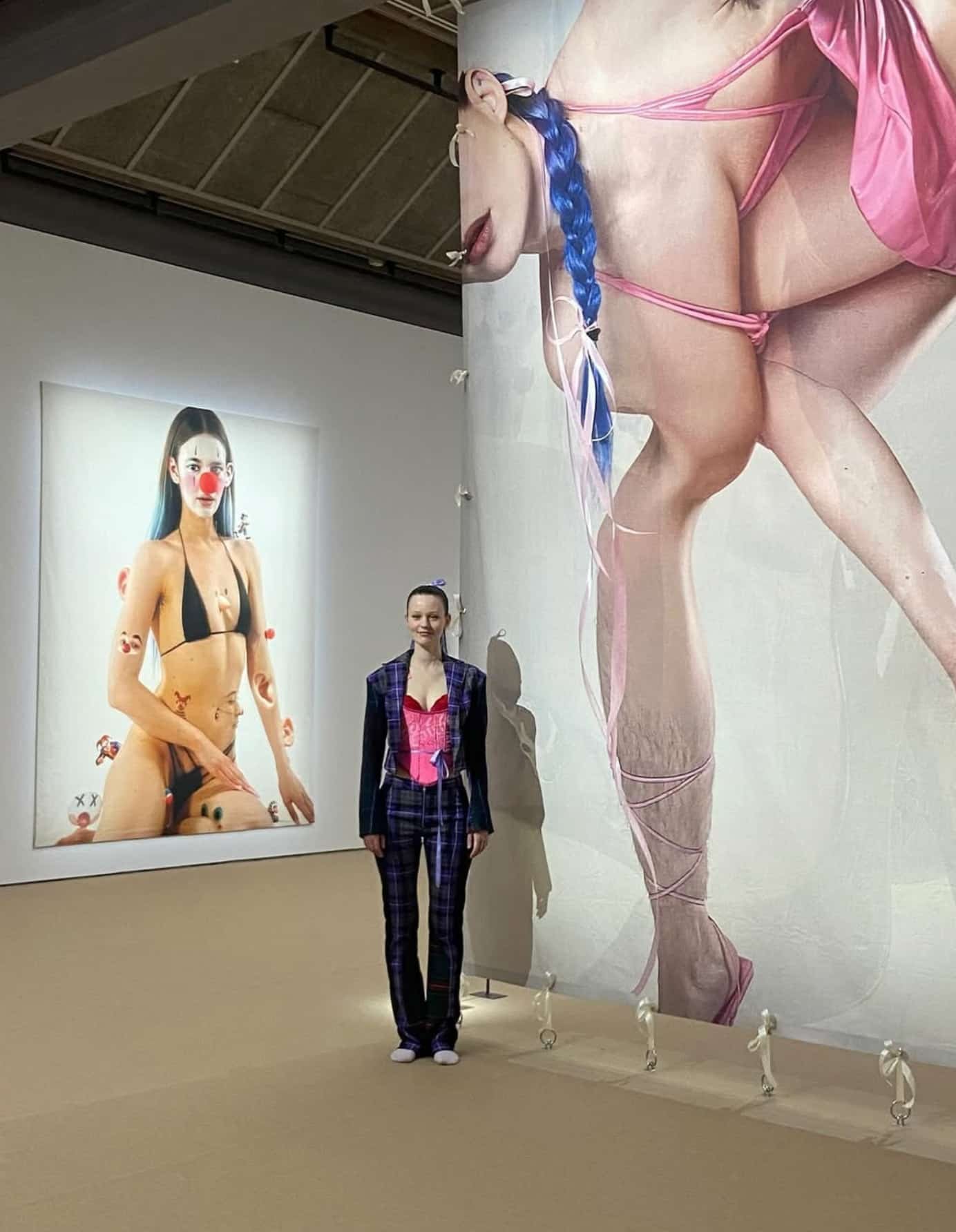
In exhibitions like Cherry Picking or editorials for Nuda Paper, she explores desire, censorship, and intimacy with poetic sincerity. Her camera isn’t voyeuristic — it’s conspiratorial. Her subjects don’t pose; they exist. Each frame is a love letter to imperfection, a soft protest against the violence of perfection.
Arvida is part of a generation of women artists who redefined the visual language of feminism online — Petra Collins, Molly Soda, Maisie Cousins — the cyberfeminist wave that turned selfies into political gestures and glitter into discourse. She is the velvet voice of that movement — the girl who fights with gentleness.
Though she first made her name online, Arvida’s art has transcended the screen. She’s exhibited in London, Berlin, Los Angeles, and collaborated with Gucci, Nike, Monki, and Vogue. Yet her ethos remains intact: even when the industry embraces her, she resists assimilation.
Her book “Pics or It Didn’t Happen”, co-edited with Molly Soda, gathers images deleted by Instagram — nipples, body hair, intimacy, pleasure. It’s both archive and protest, an ode to what the internet erases. In doing so, Byström exposes how digital spaces replicate patriarchal control, turning censorship itself into material for art.
Her pastel universe may look cute, but it’s engineered to sting. Each photograph is both balm and blade — a study in how beauty can be disobedience.
Arvida’s feminism isn’t didactic — it’s fluid, playful, and deeply emotional. “Beauty doesn’t have to be passive,” she’s said. “It can be dangerous.”
That statement defines her ethos: reclaiming beauty as an act of power. Her portraits of women — sometimes friends, sometimes herself — aren’t designed for the male gaze but for mutual recognition. Makeup becomes armor. Glitter becomes protest.
There’s humor, melancholy, and a quiet rage beneath the pastel. Her work feels like a diary entry written in lip gloss and tears. Each image suggests the same question: What if softness was strength?
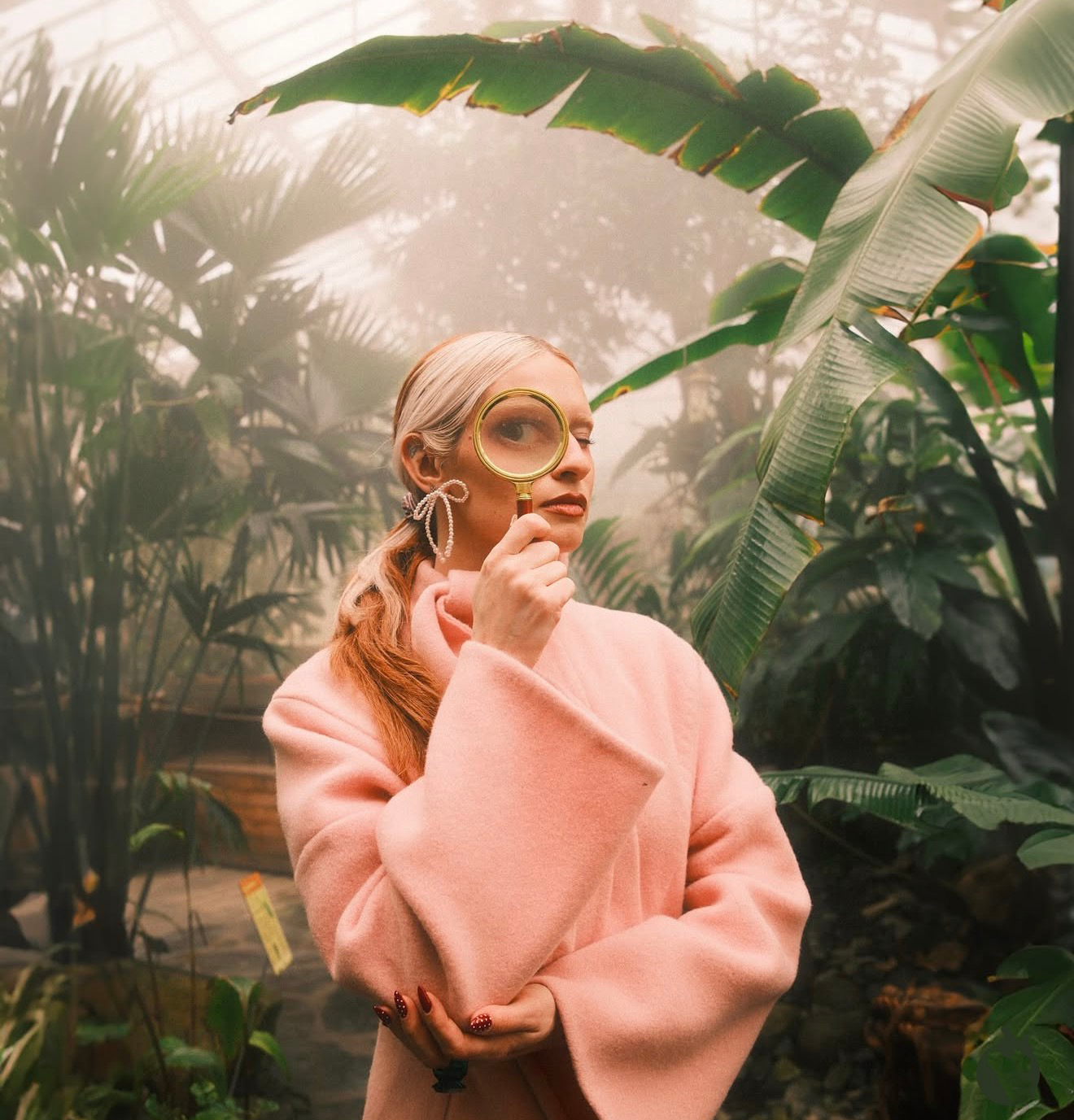
Her art turns the cliché of femininity inside out. The girl in pink isn’t a fantasy; she’s the author.
In an era where artificial intelligence polishes away our flaws and algorithms dictate desirability, Arvida Byström remains gloriously human. Her work reminds us that art isn’t about perfection — it’s about presence. That to show skin, emotion, or fear can still be revolutionary.
Her practice now spans video, performance, and writing, yet her message remains: vulnerability is not weakness — it’s power.
Every photo whispers: Look at me, but also look at yourself.
Because her art isn’t just about her; it’s about all of us — every body ever trained to shrink, to please, to hide. Arvida’s images reclaim that space, pixel by pixel, blush by blush.
She’s part of a movement redefining femininity, not through slogans, but through sincerity. Where others shout, she murmurs. Where others harden, she softens.
Her revolution doesn’t come in red — it comes in pink.
And maybe that’s what makes her so powerful: the audacity to believe that tenderness, too, can burn.
In an industry obsessed with perfection and spectacle, Arvida Byström is the quiet counterspell — a soft storm in pastels, glitter, and grace. Her art is not a scream; it’s a sigh that stays with you.
Because in her universe, pink is not decoration. It’s declaration.
Credit: @arvidabystrom / @nudapaper / @patrique.monique / @boris_camaca