Baziszt builds a new bohemian menswear movement through artisanal craftsmanship, Mediterranean-inspired aesthetics and contemporary resort tailoring, combining hand-embroidered garments, natural textiles and global expansion while redefining independent French fashion with a visually rich identity rooted in authenticity and cultural escapism today
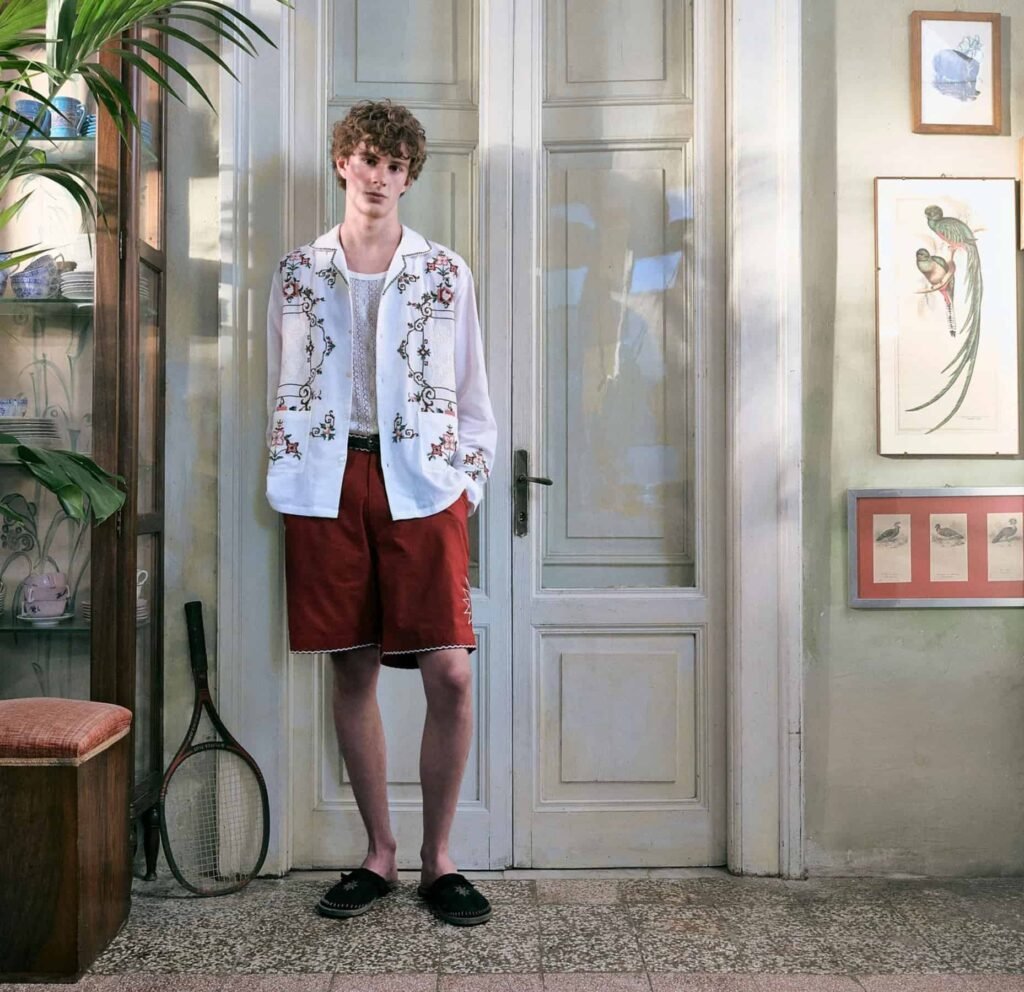
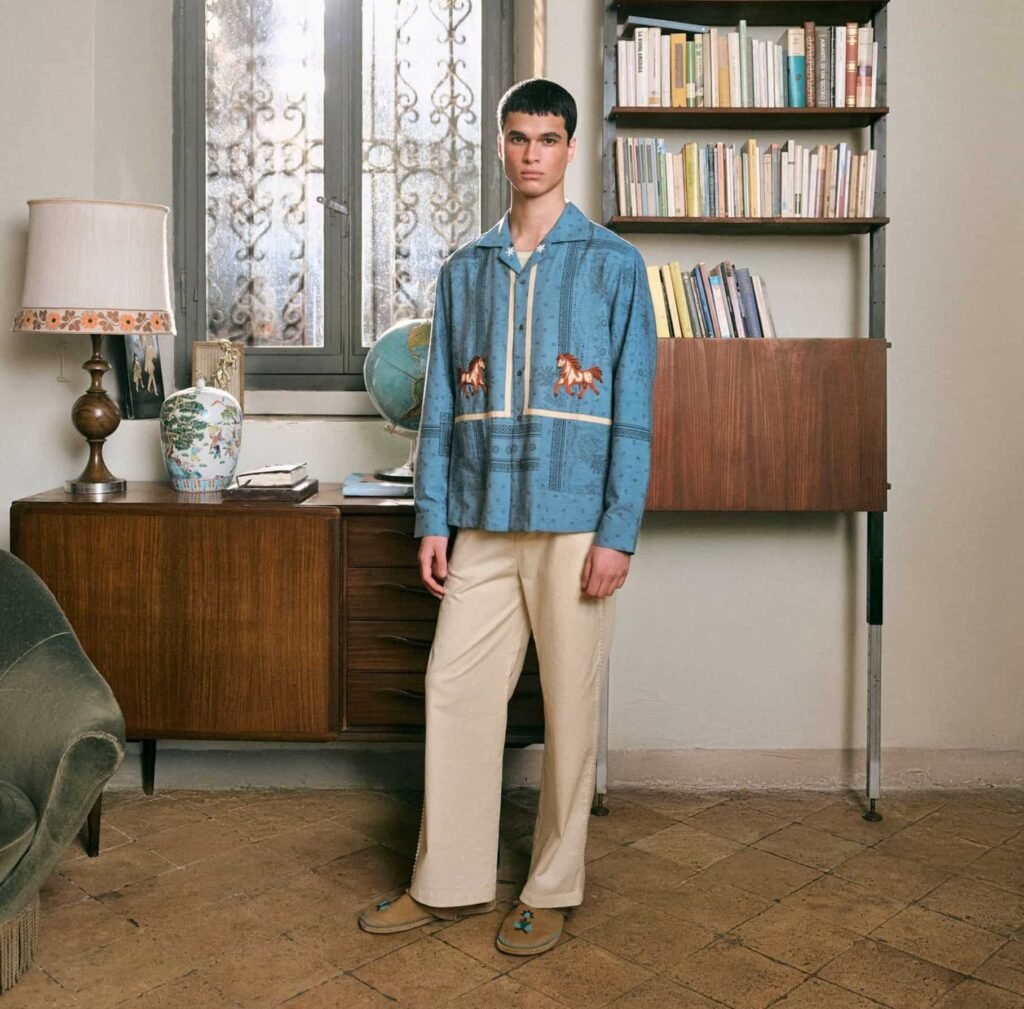
Baziszt has quickly become one of the most distinctive names within contemporary menswear, positioning itself between artisanal craftsmanship, relaxed tailoring and bohemian luxury. Founded by Zied Ben Amor and Jean-Marc Fellous, the French label emerged from the idea that men’s fashion lacked a sophisticated wardrobe capable of balancing resort ease with elevated construction and cultural depth.
The origins of the brand reportedly trace back to the pandemic years, when the founders found themselves in Australia surrounded by embroidered household textiles and handcrafted fabrics that later inspired their first collection. Since launching in 2022 with embroidered shirts, Baziszt has expanded into knitwear, tailoring, trousers and footwear while maintaining a visual identity rooted in texture, movement and understated elegance.
Craftsmanship remains central to the brand’s philosophy. Production takes place through collaborations with artisan workshops and family-run factories across India and Peru, where handwoven fabrics, embroidery techniques and natural materials shape each collection. Rather than following accelerated fashion cycles, Baziszt focuses on garments designed to feel personal, tactile and lasting.
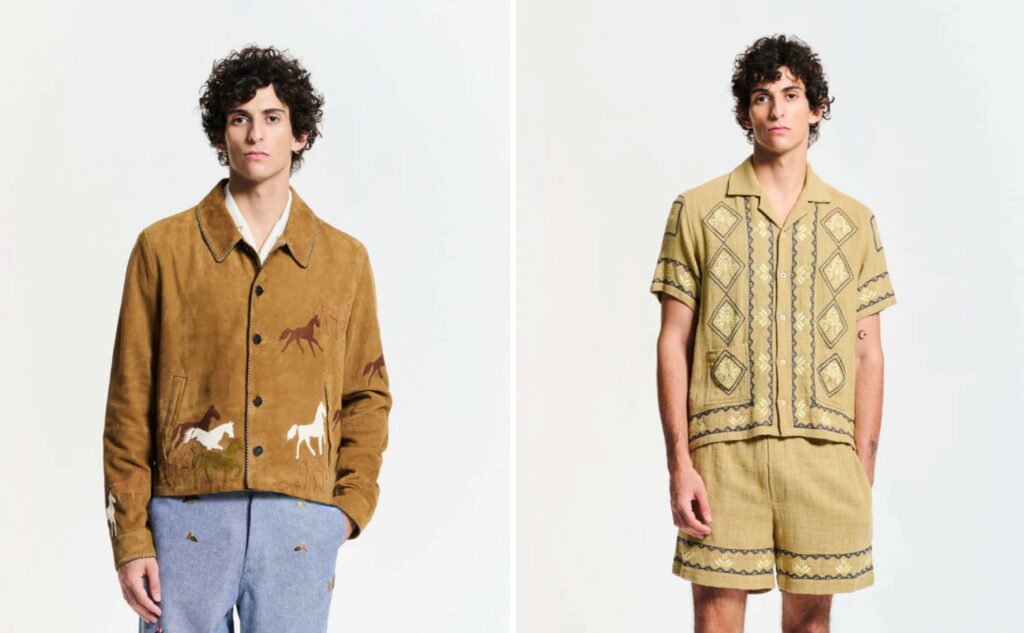
Visually, the label blends Mediterranean escapism with Parisian refinement. Floral references, earthy palettes and organic textures create silhouettes that feel nostalgic yet contemporary, attracting audiences across different generations. That balance between authenticity and aspiration has also contributed to the company’s rapid international growth.
In just a few years, Baziszt has expanded into more than one hundred retailers across Europe, Asia and the United States while opening its own boutique in Paris. The brand now represents a growing shift toward independent luxury labels driven by storytelling, craftsmanship and strong visual identity.
Its increasing visibility among musicians, creatives and younger consumers reflects a broader appetite for fashion that feels fashion that feels. Instead of relying on traditional luxury codes, Baziszt continues building a modern menswear language shaped by individuality, travel and artisanal expression.