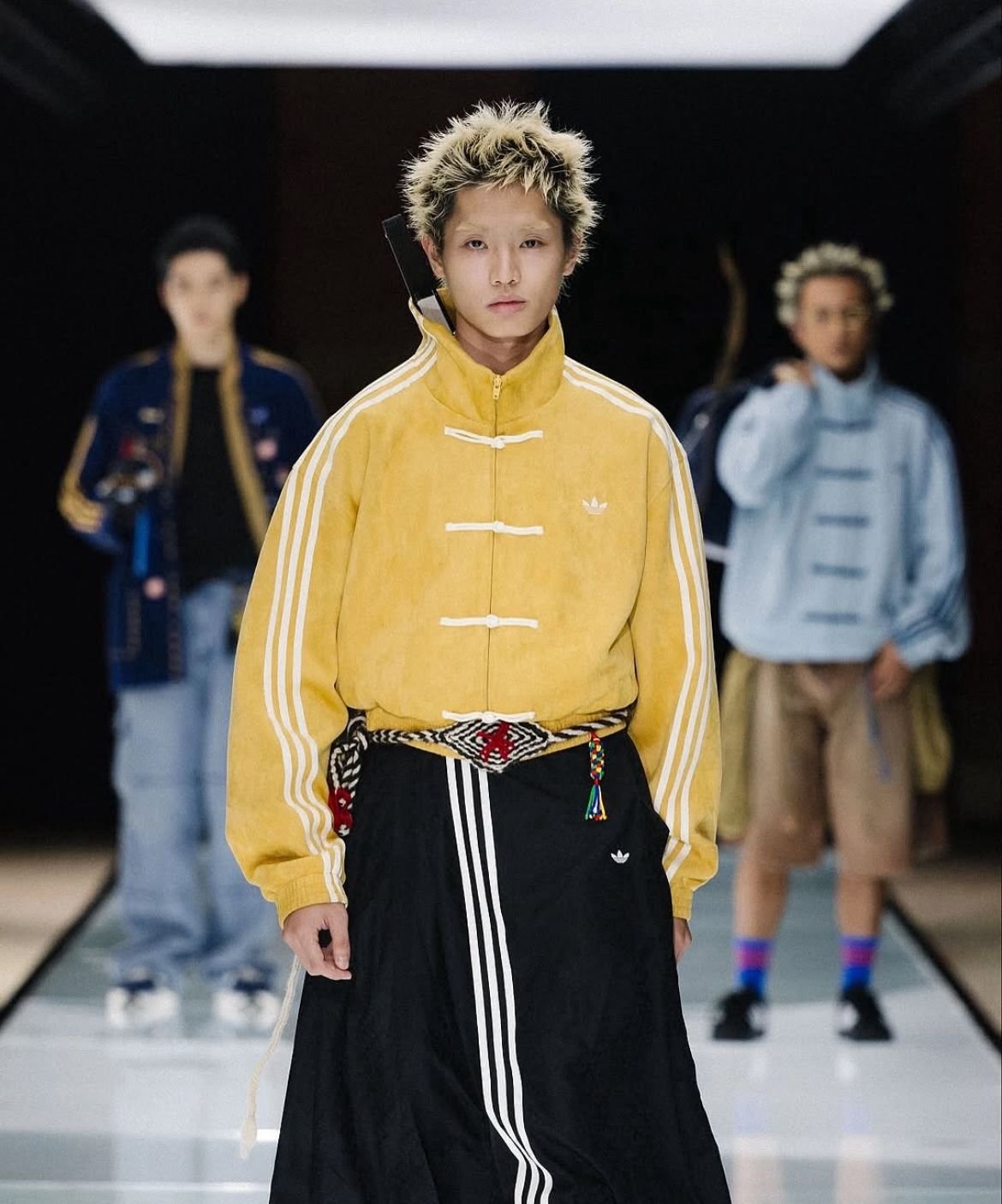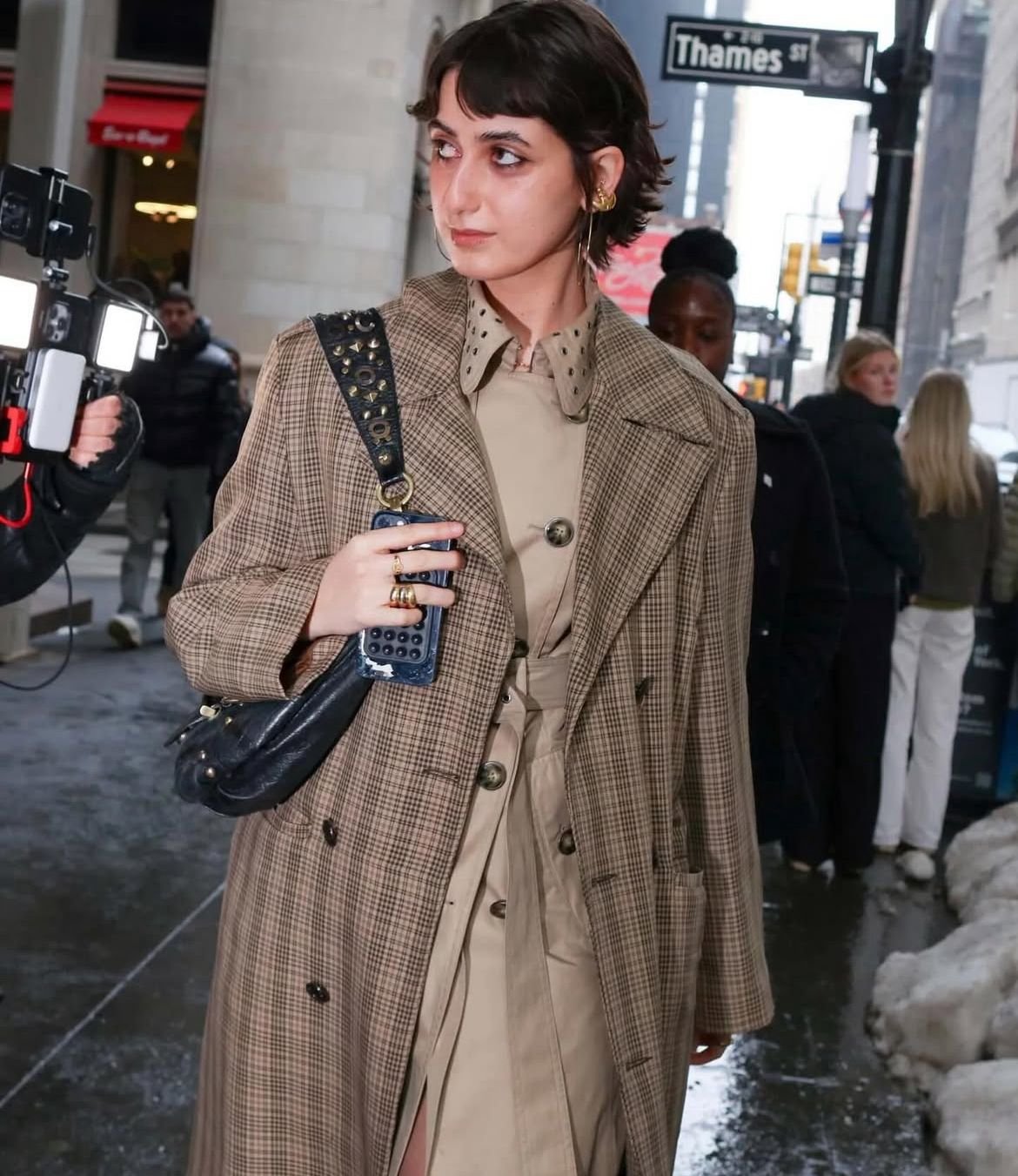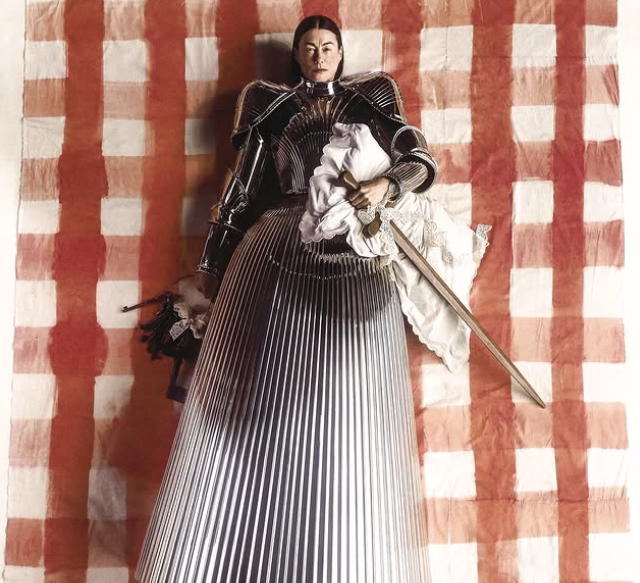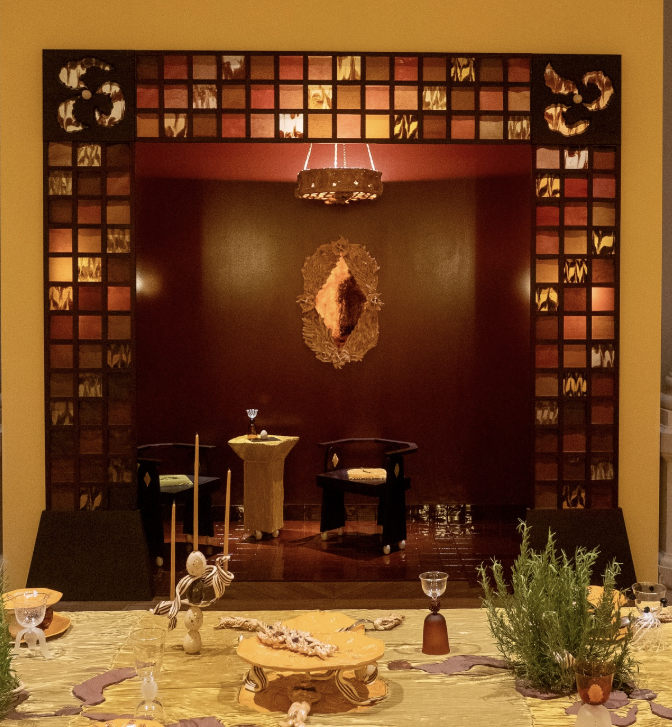
It takes a confident archivist (perhaps even a fashion heretic) to make the past feel like a dispatch from the future. With Dior Menswear Fall 2026, Jonathan Anderson delivers his first pre-collection as Creative Director. Where many houses cycle through eras like seasonal hashtags, Dior has long been a cathedral of codes. Anderson arrives not to smash the stained glass, but to re-lead it, soldering old heraldry to new behaviour in a way that feels both conversational and consequential.
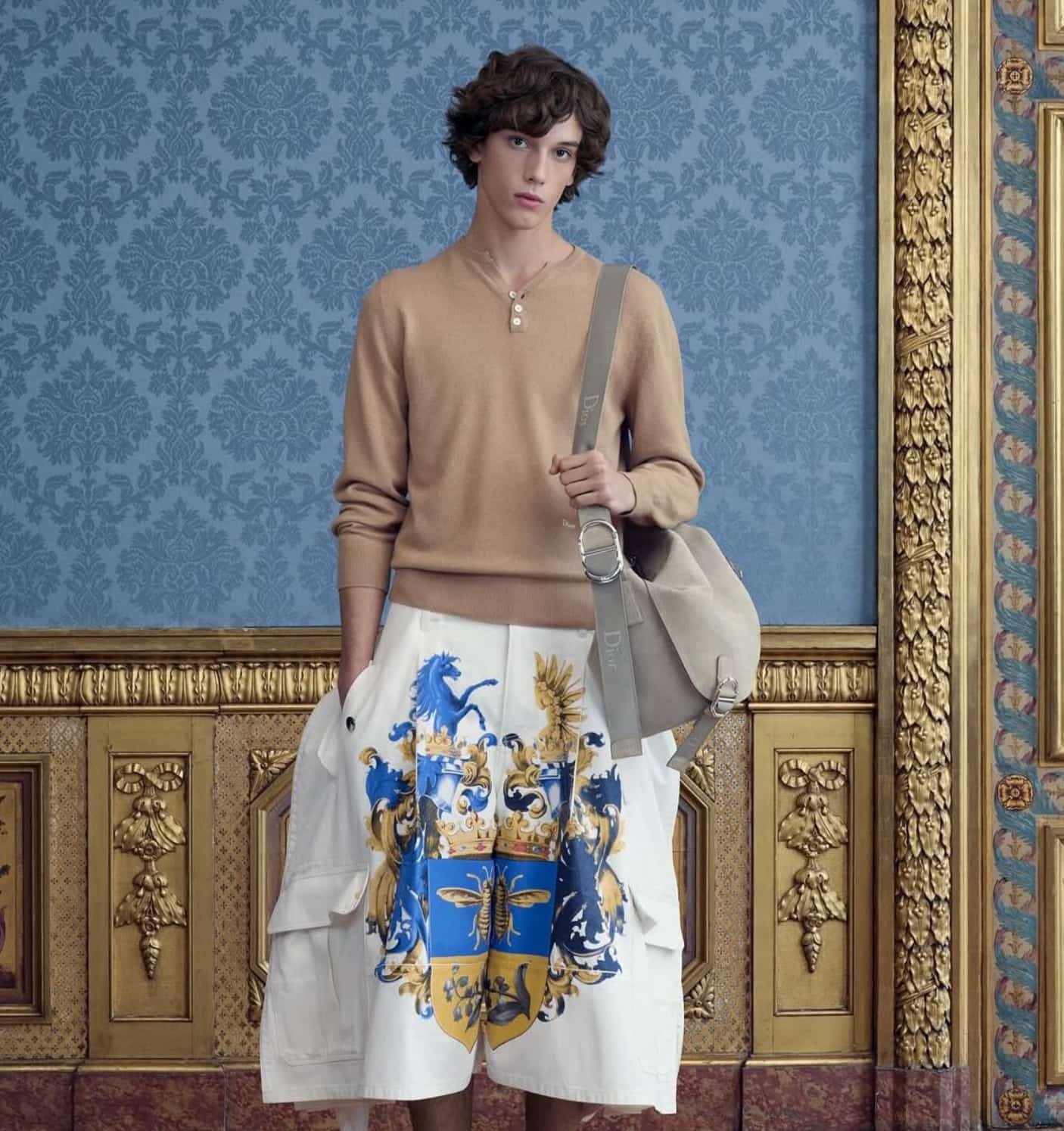
This collection reads like connective tissue from the Spring/Summer 2026 thesis he already seeded with improbable confidence. The cargo shorts inspired by the 1948 Delft dress return, no longer cropped, but elongated, stretching toward a silhouette that toys with the notion of skirt-adjacency without ever falling into costume. The textile is reimagined as denim and woolry hybrids, painted with coats of arms in contrasting pigments. It feels as if Medieval heraldry crashed an 18th-century atelier seminar, took notes, then borrowed working class fabric for the final essay. The collisions are deliberate: sartorial medievalism meets paperwork minimalism.
Under the opulent glow of planetary orbs suspended inside the Grand Palais, Pre-Fall 2026 is dissecting nostalgia. Rugby shirts, chinos, striped shirts, and knit jumpers stitched with literary asides, one embroidered with The Very Hungry Caterpillar, another punctuated by embroidered beetles and crest-scale symbols, feel less like ornament, more like footnotes in thread. The references land because they matter, not because they glitter. The charms, Diorette tokens, and enlarged crests operate as prints, functional signifiers rather than baroque filler. Each emblem is identity, sure, but identity interrogated, worn slightly off-axis, reminding us that the burden of legacy is not reproduction, but translation.
Donegal tweed ghosts through the lineup like a northern memory Dior forgot it carried. But denim (and lots of it) anchors the collection in a distinctly American vernacular, recalling Anderson’s belief that codes can be remapped if the material language does the labour. The Bar jacket, ever the maison’s coat-of-faith, reappears with a softened attitude, less ceremonial than historic. Frockcoats feel lacquered with the posture of evening formality, while rugby shirts and wide chinos carry the cheek of schoolyard prep that knows the exits and chooses the window.
Anderson plays in Dior’s grey area—where heritage meets daily ritual. The denim tailcoat reconfigures nobility into blue-collar posture. Rococo Diorette charms operate like archival relics pinned through hardware-store logic. Pendants shaped like bumble bees and bumble-sized crests sparkle not as crown jewels but as badges of narrative endurance. A white blazer patterned in bouquet-style repeats flirts with sentimentalism, yet lands in a dream-calm fray when paired with horseshoe trousers or softly curved hems.
This pre-collection vindicates curiosity. It treats clothing as process rather than proclamation, echoing Anderson’s conviction backstage after the show. “It’s continuation. It’s elaboration. A compounding of referencing.” Possibly the most honest runway confession of Fashion Month. Dior is rewiring medieval spirit to modern body, reminding us that icons don’t repeat themselves. They evolve, transform and are rebirthed.