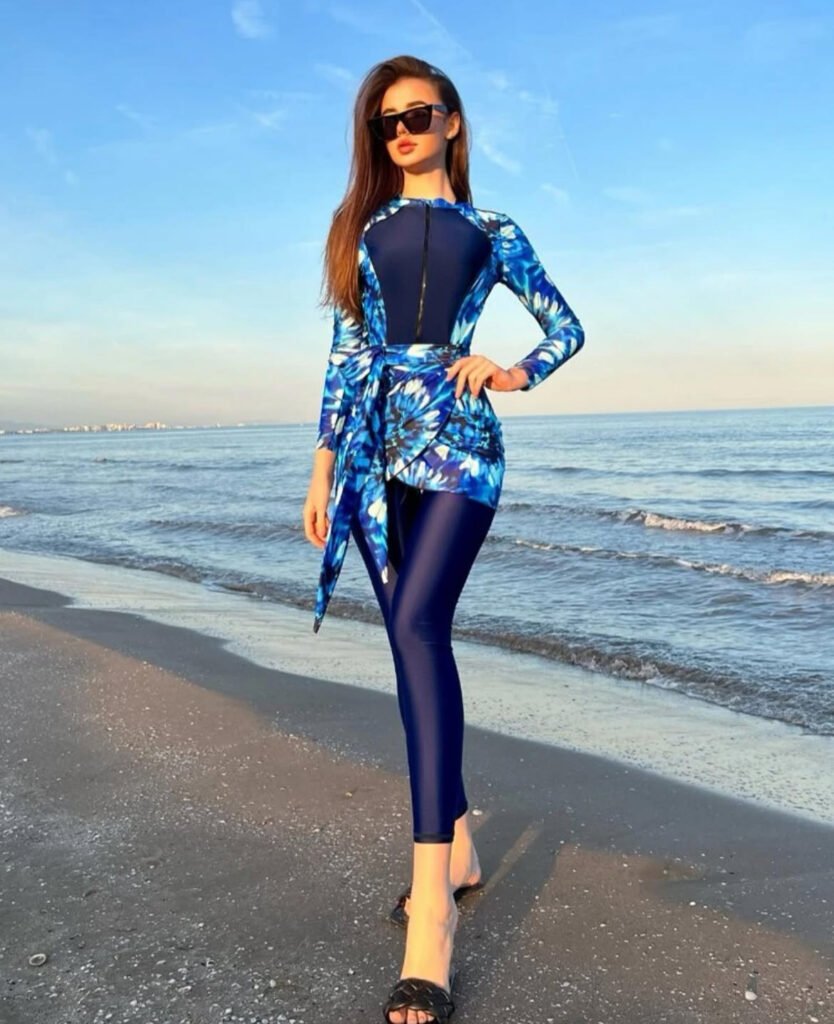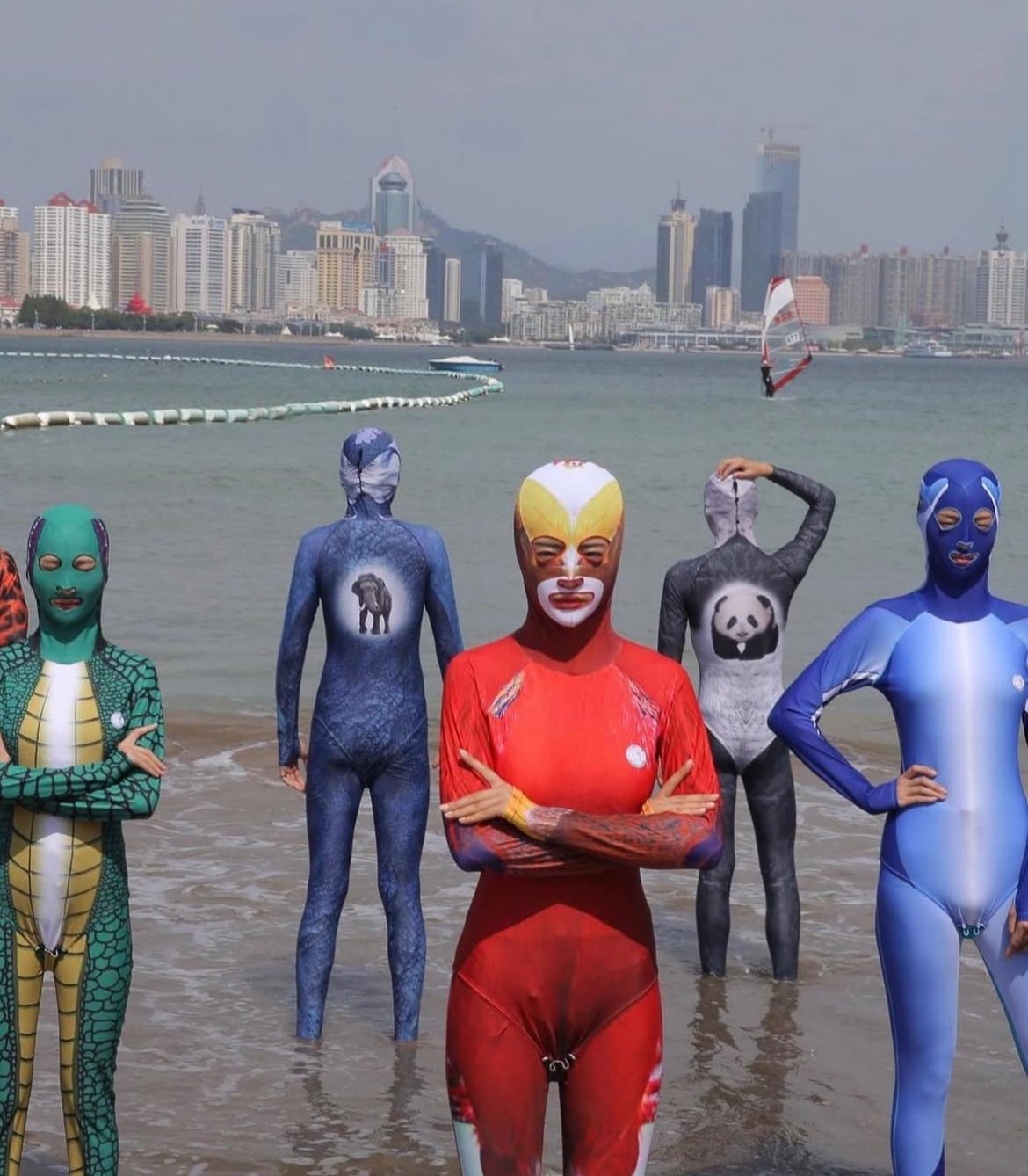
Fashion expression, protection or repression ? In this article we explore fashion decisions in different cultures that are facing a lot of criticism and amazement. The new trends are the “facekini” and “burkini” which mean: covering your face and whole body when out on a nice stroll at the beach.
We know fashion comes and goes, but most times fashion is dictated by the global, political and social circumstances that surround us. And that is exactly what is happening in Syria and some countries of east Asia. Fashion has been shaped by political and global warming consequences.

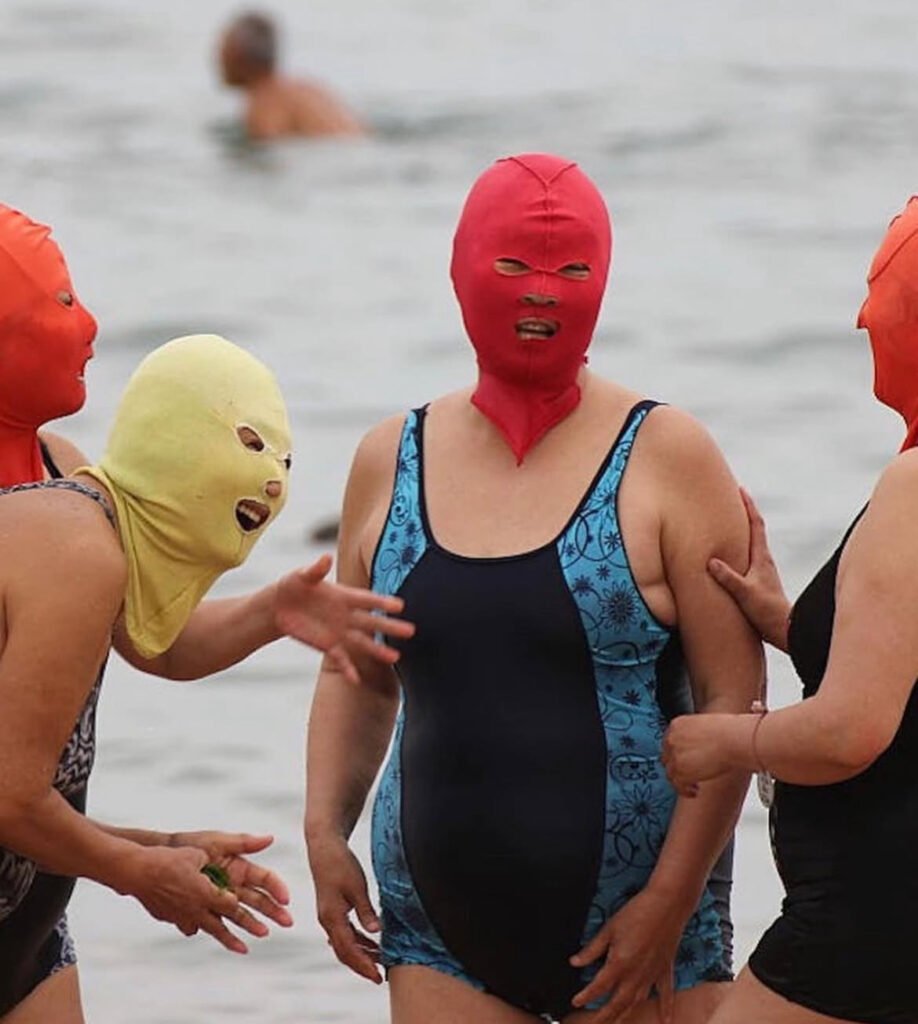
These last summers in Benjing have been extremly hard. Reaching 38-40° degree temperatures people have been escaping sunny areas but in their search from refreshment they found themselves exposed on the beach. And in those circumstances is where the “facekini” was born.
The idea of maintaining the “perfect” pearly white skin tones seems something very important for many in east Asia. But some other people are concerned by actual problems like skin diseases and sun protection. Reaching the limits of fashion to introduce the idea of facekini to protect themselves from the sun.
In another completly different situation Syria’s women face the consequences of oppression by the government when asked to use the “burkini”. Not a self-done choice, but a choice made for them. Now fashion is shaped by political circumstances and brands take advantage of it.
Retailers say demand for sun-protection clothing has surged. Wang, a salesperson at a hat shop in Beijing, says business has rebounded strongly after the pandemic years. “Compared to two or three years ago, this year is much better,” she says. “Sales volume is definitely up a lot.”
Back in China, however, the facekini’s appeal is largely pragmatic. On beaches in Qingdao and in tourist hotspots across the country, colourful masks in neon pinks, florals and geometric prints have become as common as sunglasses.