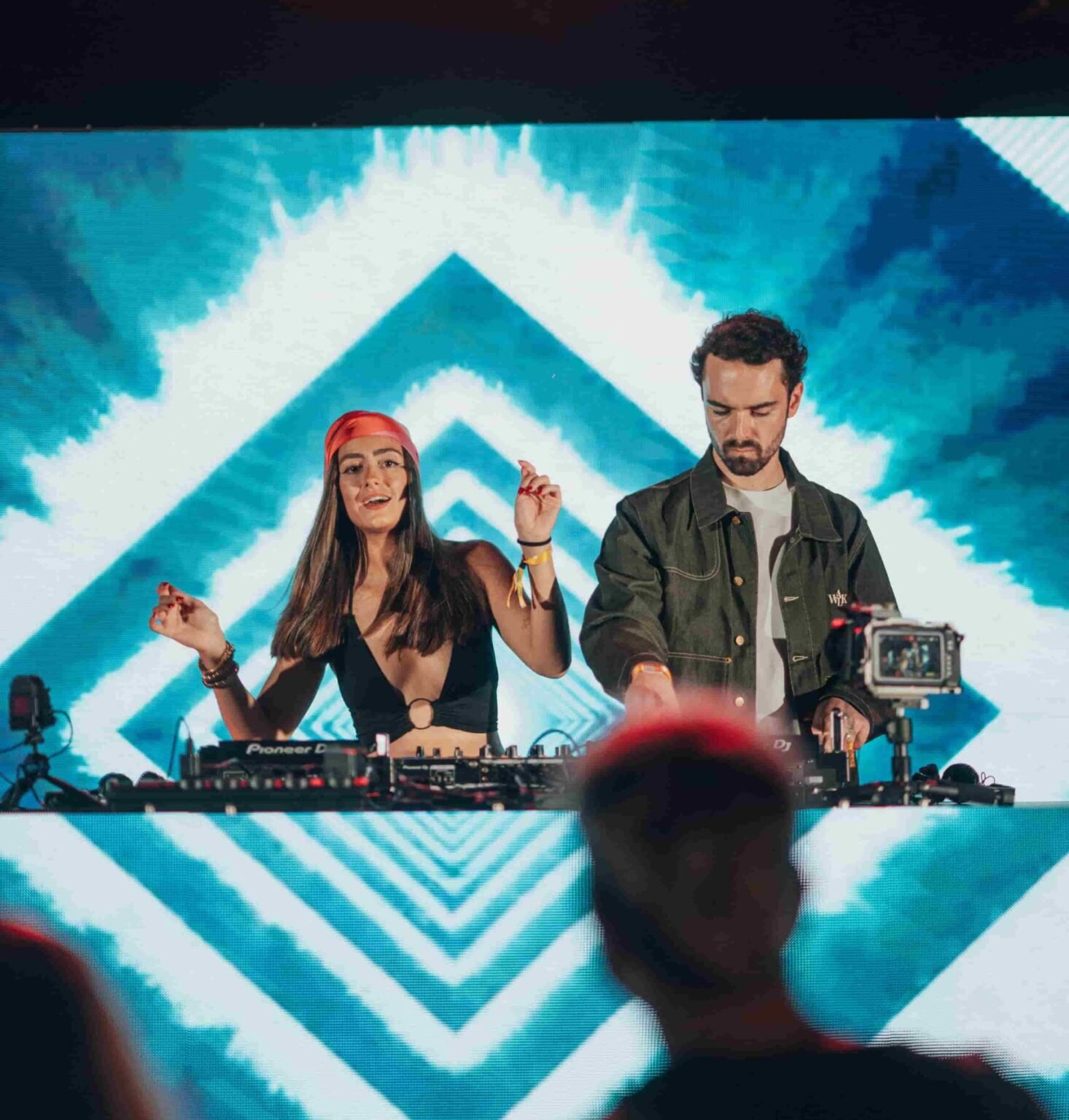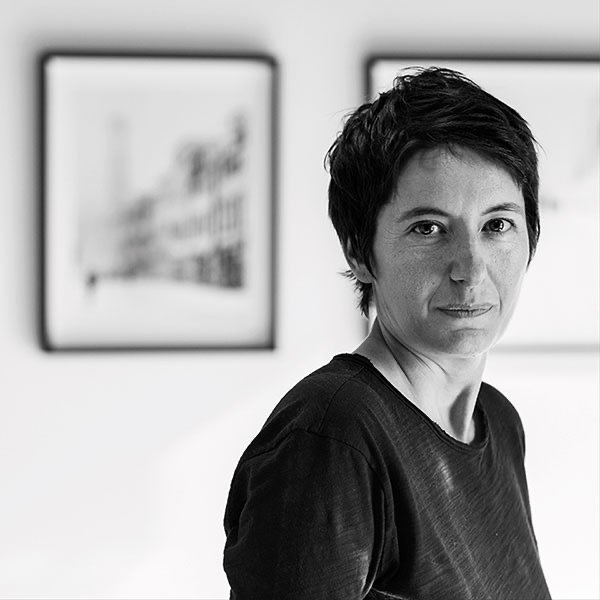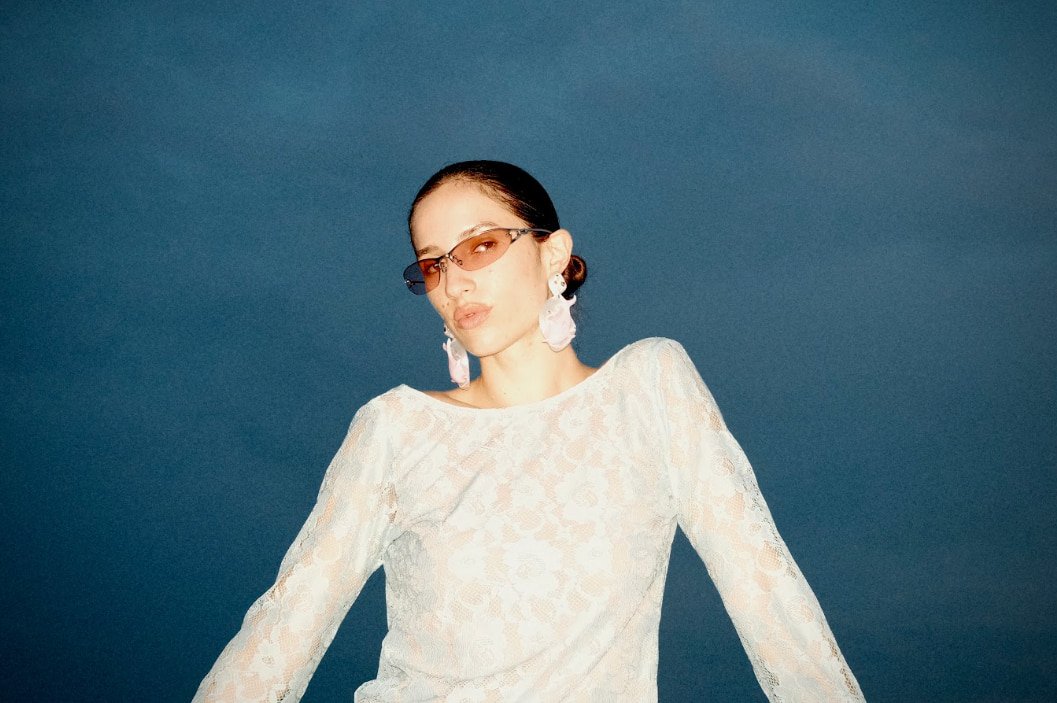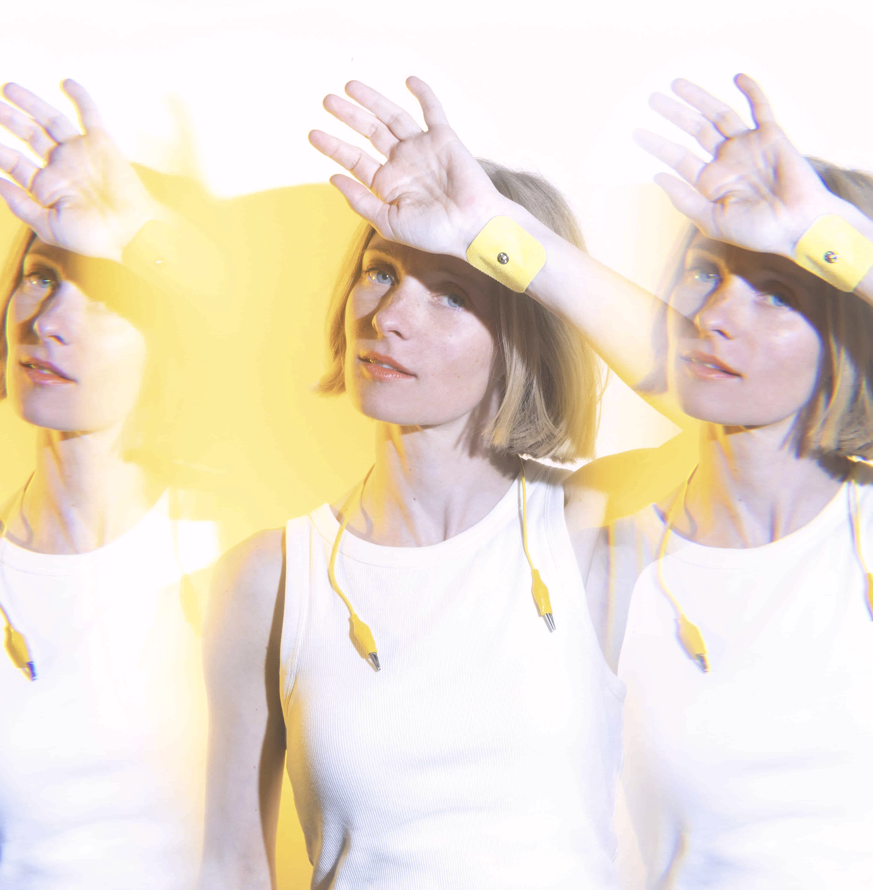
Olga Maximova (also known as OMMA) is a Russian artist, music producer, and inventor based in France. She is redefining the boundaries of music creation through innovative approaches that merge sound, technology, and experimentation. She studied piano at the Bill Evans Piano Academy in Paris. Olga has released three albums on the UK label Coastal Haze and the French label Antinote. She is currently developing her experimental project, Cantoucthis Studio, where she is playing music on plants and water, and creating immersive sound installations that blur the line between nature and technology.
1. Your work moves between Nantes and Paris. How do these different environments shape the emotional tone and sonic textures in your productions?
I’ve been living in Nantes for five years, and indeed it shapes my sound more than Paris: bicycles, rivers, boats, parks, trams, skate parks, forests, and a great mix of architecture from Le Corbusier to ornate cathedrals. And my favourite is the huge mechanical elephant: it’s like Nantes’s own Eiffel Tower.
My favourite places are more about food and nature: La Maison Arlot Cheng, Station Nuage, Madeleine Café, and Le Lieu Unique, a cultural space that hosts interesting concerts and organizes a very unique musical festival “Variations” every April. I really recommend it.
Paris, on the other hand, is more about projects and work. It has a different intensity, more focused, more demanding for me.
2. Does it become quite a challenge to imply your emotions through different languages?
It can be both pleasurable and challenging. I feel that when you learn or sing in new languages, you partly drift away from your native tongue. Not speaking your own language for long periods can confuse the brain and make it harder to fully grasp what you’re feeling, at least that’s how it works for me.
3. Your project Playtronica transforms everyday objects into instruments. How was this project born?
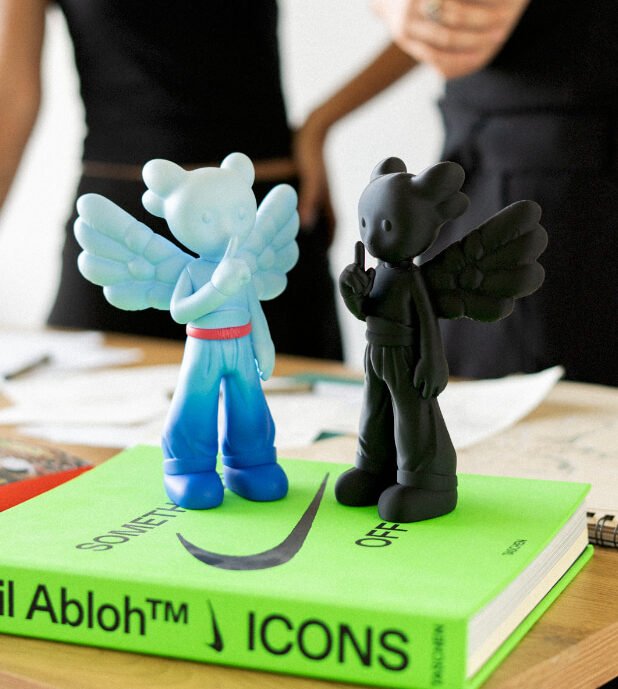
Playtronica was born from curiosity and play: experimenting with how sound can emerge from unexpected materials. Over time, it evolved into a shop selling musical devices, and later transformed into Can Touch This Studio, focusing more on sensorial experience (performances, installations, interactive activations)
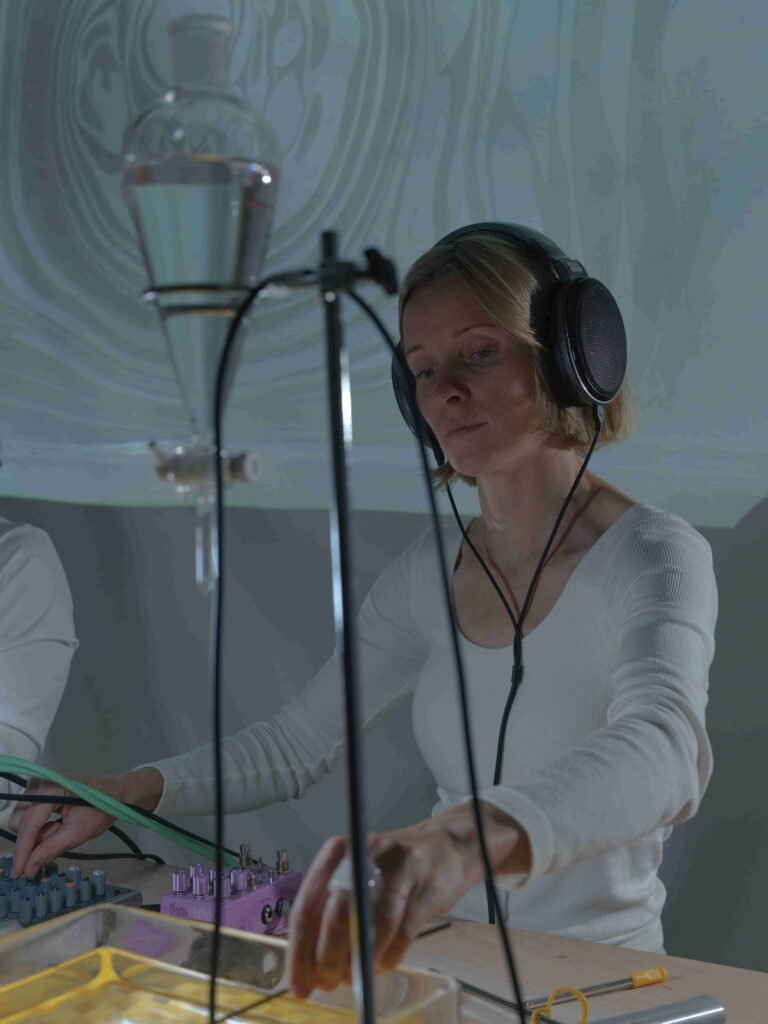
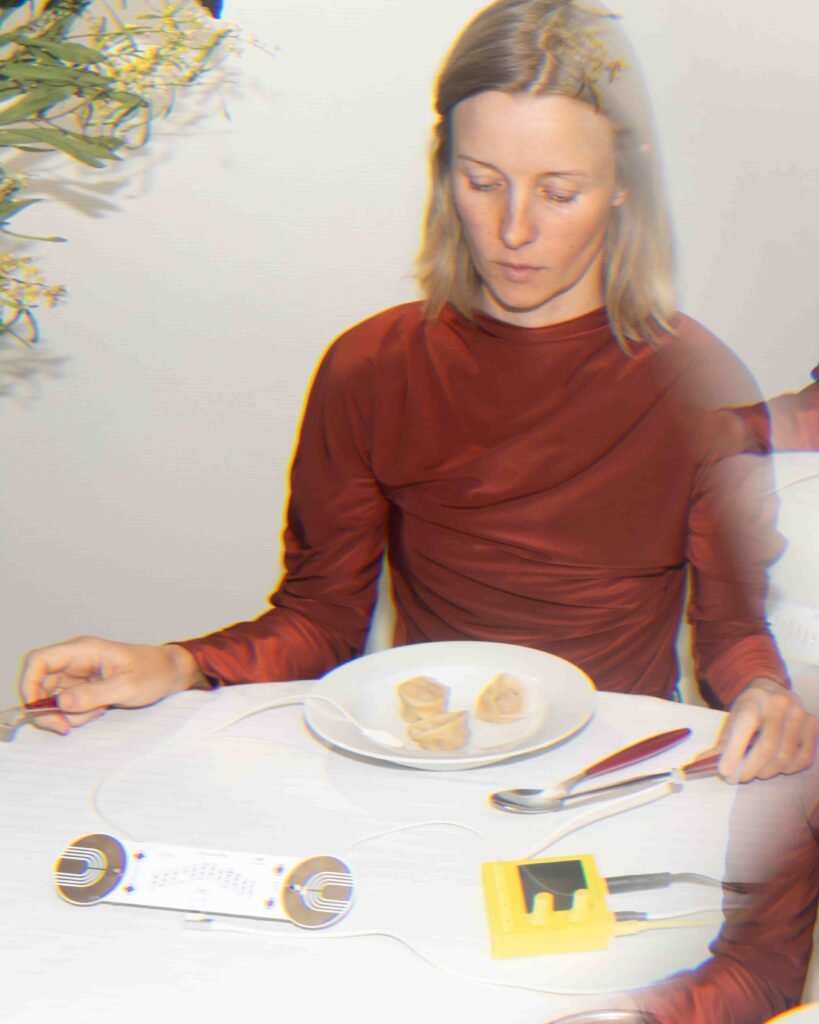
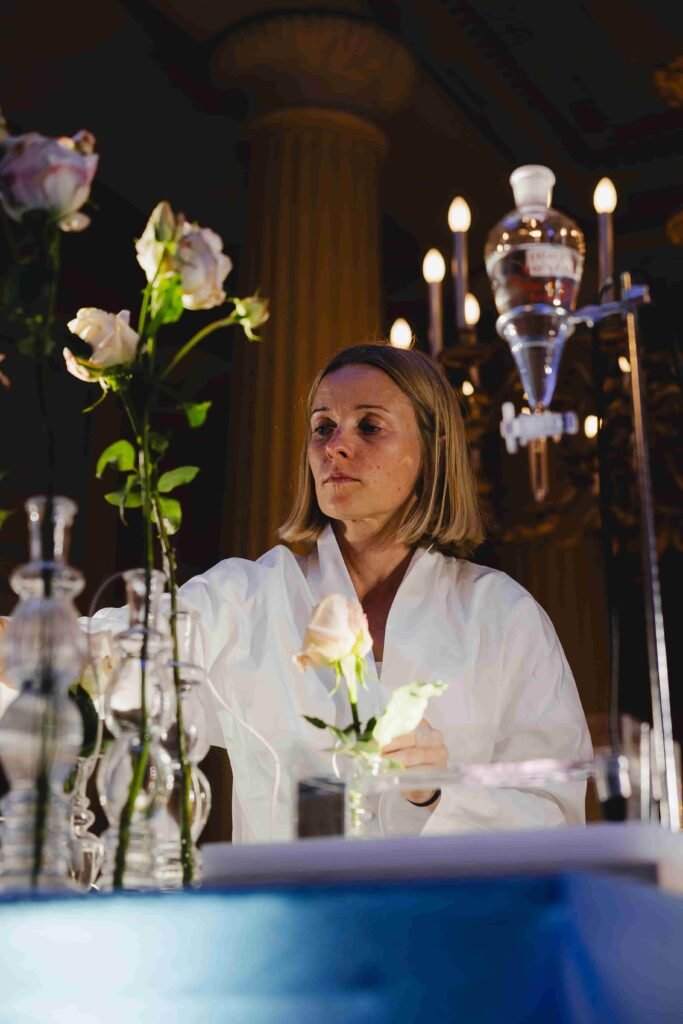
4. What unusual objects have you played ? and which would you like to explore?
Once, I played on the largest pineapples in Hawaii for a Hermès boutique opening — I had never seen pineapples that huge!
5. What has Playtronica taught you about sound, intuition, and how people interact with music?
It taught me that everything starts with experimentation. For example, I once had an idea to connect water with paper marbling because my friend, French-Japanese artist Emilie Hirayama, works with the Japanese suminagashi technique. We created a video where water controlled sound and patterns. It went viral on social media. After that, galleries invited us to perform live, and we recently created a performance together as Liquid Form Sound Lab. It’s fascinating how a small intuitive idea can grow into something completely new.
6. You’re a multi-instrumentalist known for “unearthly” textures. When you begin a new piece, what pulls you first: rhythm, melody, or experimentation with technology?
Melody always pulls me in first. Sometimes a track starts with me playing different synths in my home studio. From there, rhythm and technology help me stretch the idea, break it apart, or place it in space.
7. France’s electronic scene is often described as less experimental than Russia or the UK. How has that contrast pushed you creatively since moving to Nantes?
When I moved to France in 2017 after being immersed in Moscow’s experimental festivals, bands, and events, it was difficult to find that same level of experimentation here. But over the years, the scene has evolved, and I’ve also learned how to build my own context: creating projects, collaborations, and platforms rather than waiting for them to exist.
8. Dance was your gateway into music. Do you still feel movement in your body when you compose, and does choreography guide your production decisions?
How do you know? I studied ballet, classical dance, and a bit of contemporary backdays in Moscow. Today my practice has shifted more toward qigong and yoga, but movement is still very present in my life and compositions.
I’m especially drawn to unpredictable rhythms, when your body expects a beat that never comes or polyrhythms confuse the sense of balance. I love when the body doesn’t quite know how to move.
9. Your childhood appears in your visuals, especially the VHS moments. What part of that younger Olga do you still carry into your adult artistic life?
My childhood was one of the happiest periods of my life, even though the 1990s in Russia were very difficult — food shortages, post-perestroika instability, political changes, strikes. Creating the “Sol Pleureur” clip from my first album TEPLO was a joy because it allowed me to revisit that time and bring my childhood memories to life. I spent hours going through old tapes that my dad had filmed, seeing how my childhood was light, free, and full of joy during an unstable time for my parents in that post-USSR period.
But beyond the nostalgia, I think what I truly carry with me is a certain lightness. No matter how big the problems are, I try to see them as a life test, something meant to shape you rather than break you.
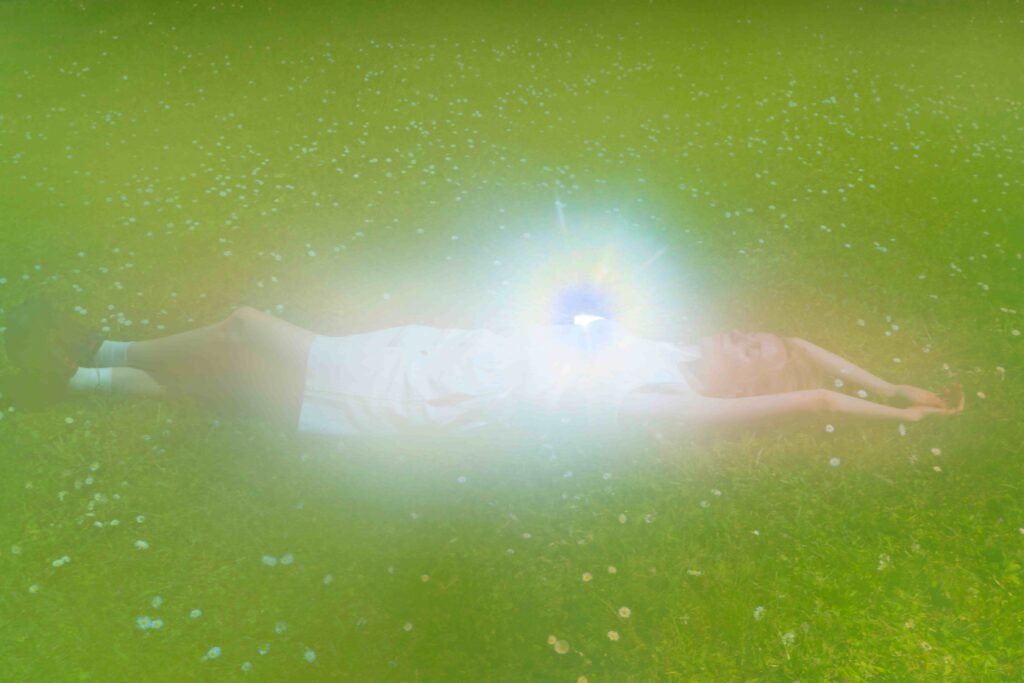
10. What does your future hold in terms of new projects or events? What would your dream project be?
My dream project is an interactive castle — a fully immersive musical dinner experience combining sound, food, performance, concerts, technology, and storytelling, where the audience becomes part of the artwork.