January 2025 finds the northern winter tense, as the music world scans for fresh blood. Calling it an industry feels obsolete now: a splintered ecosystem of corporate streaming, AI music, bot infested social networks, and magazines surviving like desert outposts. Yet the old impulse remains unchanged. Rock is as always under scrutiny, but new band emerge, promising bright futures and refusing extinction. Someone must inherit the crown.
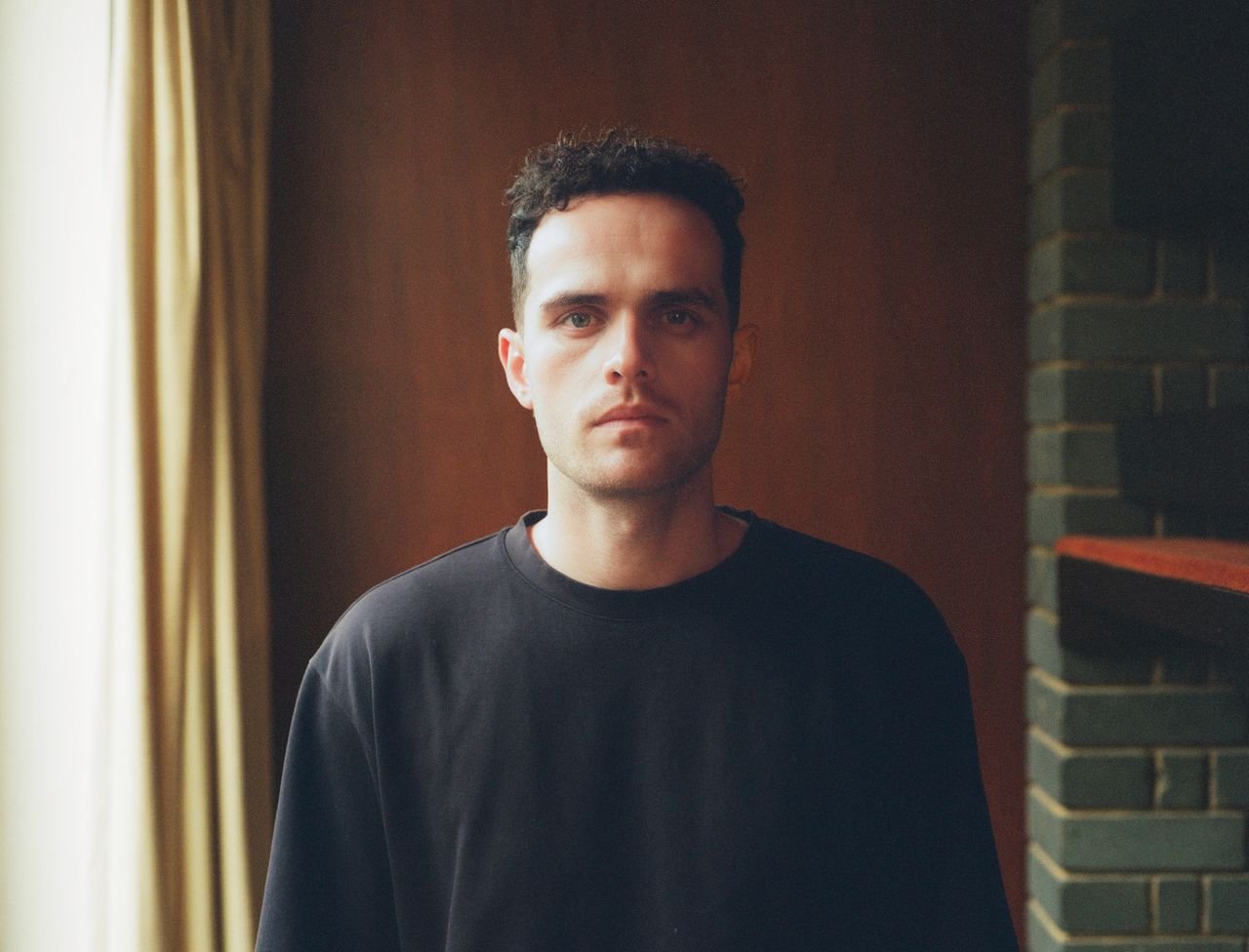
That restless expectation surrounds Cameron Winter, a twenty two year old songwriter from Brooklyn and the center of Geese. His solo album Heavy Metal caused murmurs in the music industry. Hype often crushes artists beneath impossible expectations, but occasionally it aligns with reality. Heavy Metal did. Critics reached for tired comparisons, invoking Cohen, Dylan, or Waits, yet the record leaned closer to Nick Cave’s preacherly intensity and flashes of Thom Yorke. More importantly, it emitted an authentic essence, one that only a new musician can bring to the table.
The album is cathartic, vain, funny, and overflowing with references worn lightly. Songs pivot between folk intimacy, funk looseness, desolate piano confessionals, and strange jazz detours. Television appearances, viral clips, and unexpected endorsements followed, confirming his arrival without fully explaining it.
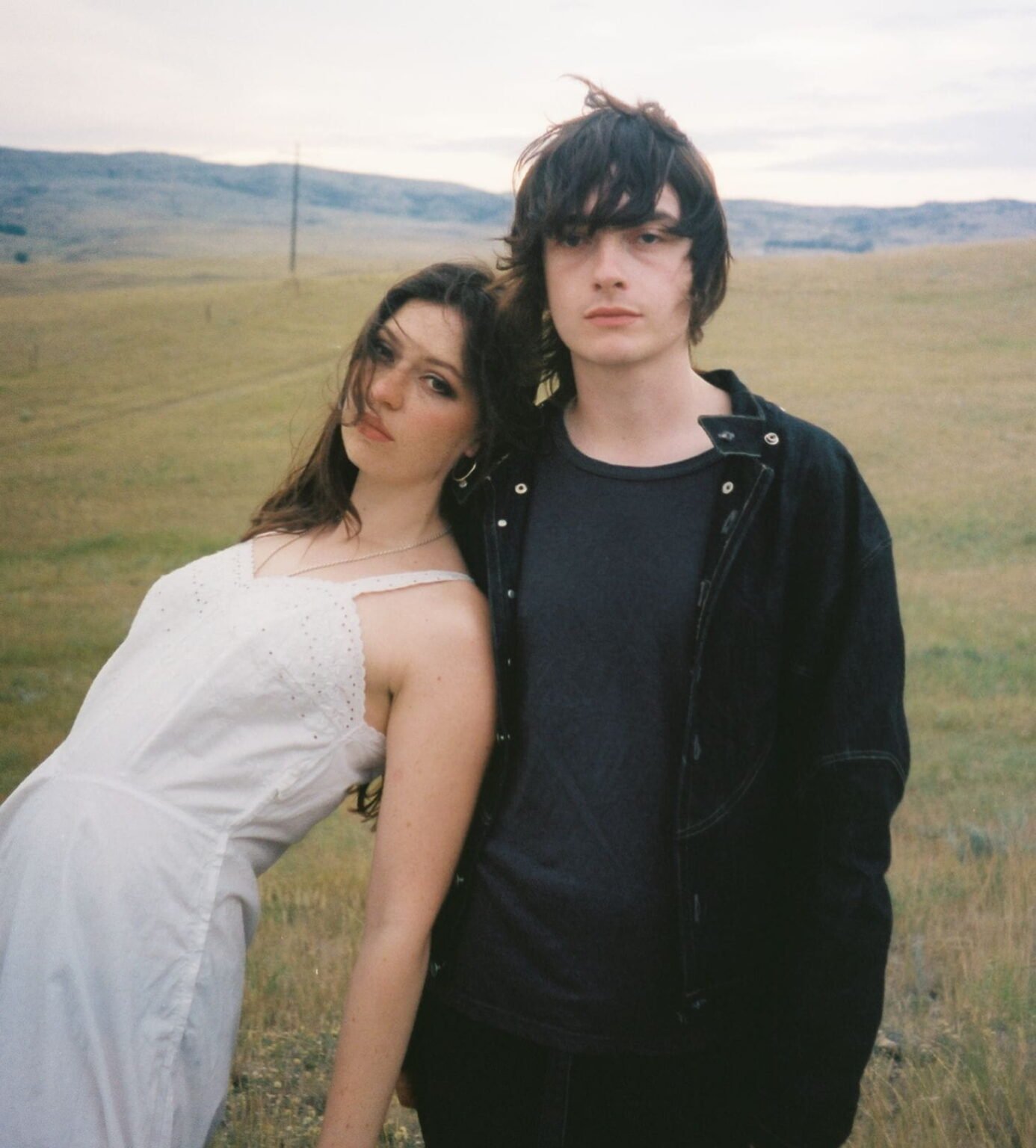
Still, Winter has a band, Geese, and they remain the deeper story. Signed improbably while still in high school, they released Projector and 3D Country on Partisan, announcing kinship with Television, The Velvet Underground, The Rolling Stones, Deerhunter, and Yeah Yeah Yeahs. There is also a strain of free jazz improvisation that makes their music unruly and alive. After Heavy Metal, the question was simple: where could Geese go next.
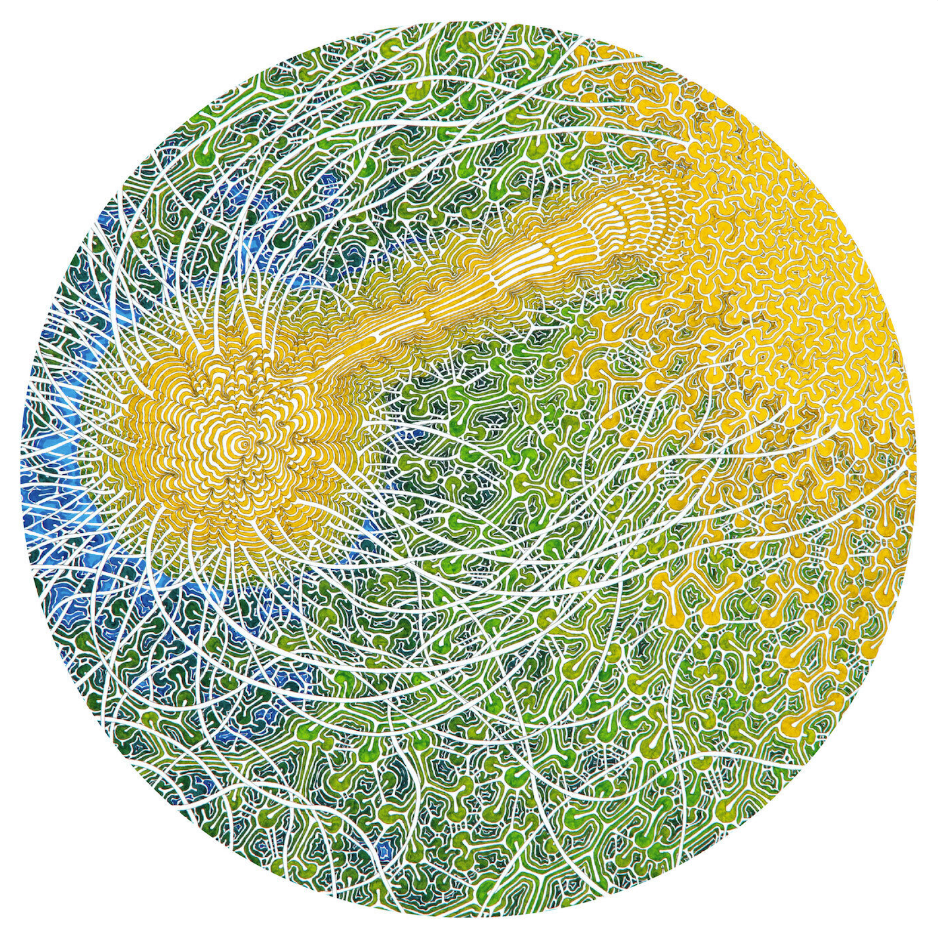
Their answer, Getting Killed, an album who chose austerity over spectacle. Shot through in stark post punk monochrome, the record delivers forty five minutes of invention during a year when AI generated bands quietly harvested millions of streams. Songs lurch between paranoia, groove, noise, and melody. At times sexy, frantic, or obsessive, the album captures a band living its moment, maybe the golden years of the improbable. In 2026, Geese feel less like hype and more like proof.
Getting Killed sounds human in an automated era, reckless yet precise, communal yet strange. It suggests a future where rock survives by imagination, not nostalgia, and keeps evolving. For now, they hold the global crown without asking permission from critics, fans, and algorithms.